
Pests
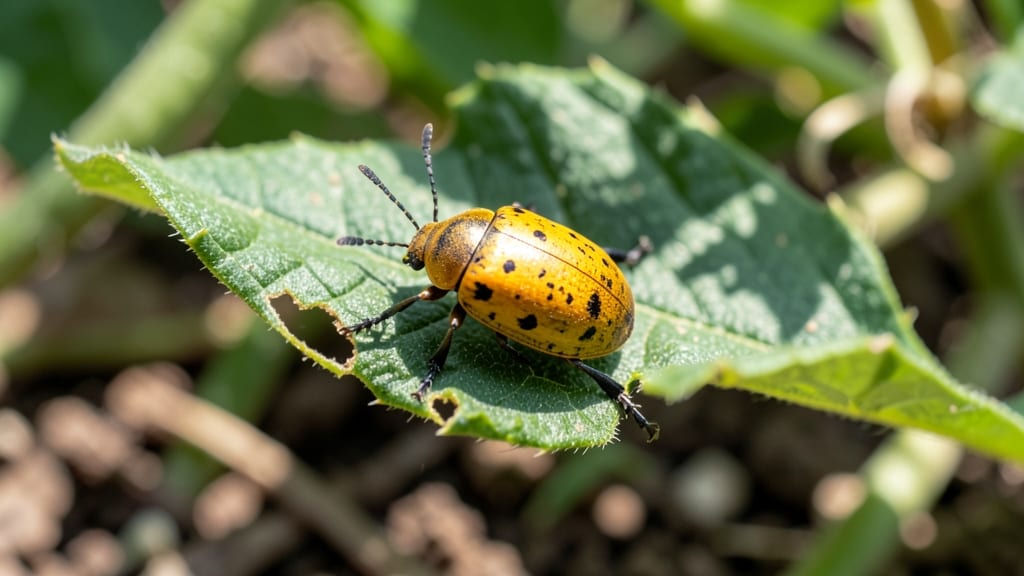
Mexican bean beetles can strip your plants bare in days—unless you hit them with neem oil. 🌱 I’ve battled these yellow-and-black pests for years, and this spray recipe stops them in their tracks within 48 hours, without harming your beans or pollinators when used right.
The key is timing and technique: spray early morning when beetles are sluggish, focus on the undersides of leaves where they hide, and reapply after rain. Most store-bought sprays miss the mark because they’re too weak or applied at the wrong time.
My formula? 1 tablespoon neem oil + 1 teaspoon mild soap per quart of water, shaken well.
Within two days, you’ll see fewer beetles, and new growth will appear lush and undamaged. The plants recover faster than with chemical sprays, and the soil stays healthy for next season’s beans. Just avoid spraying when flowers are open to protect bees.
Works for bush beans, pole beans, and even nearby peas—just test a small area first. The secret? Consistency. One treatment might help, but a second application a week later ensures those beetles don’t come back.
Root Causes of Beetle Infestations
Mexican bean beetles (Epilachna varivestis) don’t just appear out of nowhere—they’re drawn to your garden by a mix of environmental cues, plant chemistry, and even human habits.
Understanding why these shiny, yellow-and-black pests show up helps you break the cycle and protect your beans, peas, and other vulnerable crops. Here’s the science behind their invasion:
Mexican bean beetles are specialists—they only feed on plants in the Fabaceae (legume) family, which includes:
- Beans (green, wax, lima, snap)
- Peas (garden, snap, fava)
- Clover (white, red, alsike)
- Soybeans
- Alfalfa
These plants produce secondary metabolites like isoflavones and saponins, which act as chemical signals.
Beetles detect these compounds from up to 50 feet away using their antennae, triggering a feeding frenzy. Pro tip: If you’ve grown legumes in the same spot year after year, the soil may still emit residual chemical cues, luring beetles back even if you’ve removed the plants. 🌡️
Mexican bean beetles and beneficial pollinators (like honeybees and bumblebees) share the same love for legume flowers. Here’s the catch:
- Beetles lay eggs on the undersides of leaves, often after pollinators have visited the flowers.
- They time their lifecycle to overlap with bean flowering, ensuring fresh food sources for larvae.
- If your garden is a pollinator hotspot, it’s also a beetle magnet. 🐝
Worse, beetles mimic beneficial insects—their yellow-and-black striped pattern resembles wasps, which deters predators. This camouflage lets them thrive undisturbed.
These beetles are native to the southern U.S. and thrive in:
- Temperatures between 75–85°F (ideal for egg-laying and larval growth).
- Humid conditions (they despise drought but love moisture for egg hydration).
- Long growing seasons (they complete 2–3 generations per year in warm climates).
If you’re in Zones 6–10, your garden is basically a Mexican bean beetle resort. Even in cooler areas, greenhouse-grown legumes or early-season plantings can trigger outbreaks. ❄️🔥
Beetles hibernate in leaf litter, mulch, and garden debris during winter. If you:
- Leave last year’s bean vines in the soil (even compost piles can harbor eggs).
- Use thick mulch layers near legume beds (beetles burrow in).
- Ignore weeds like clover (they’re beetle buffets).
You’re basically giving them a free winter hotel. A single adult can lay 400–500 eggs in her lifetime—so one missed patch could mean a full-blown infestation next season. 🏨🐜
Rising temperatures are shifting beetle populations northward. Studies show:
- Infestations now occur in Zones 4–5 (previously rare).
- Warmer winters mean fewer die-offs in overwintering stages.
- Early springs trigger earlier emergence, catching gardeners off guard. 🌡️
If you’ve never seen these pests before but suddenly have skeletonized leaves on your beans, climate change might be the culprit.
Beat Back Beetles Naturally
Mexican bean beetles may be pesky, but you don’t need harsh chemicals to reclaim your garden. Here’s a step-by-step battle plan to evict them for good—from immediate fixes to long-term prevention.
If you’ve already spotted these yellow-and-black invaders, act fast before they devour your plants.
🍳 Handpick & Destroy (The OG Method)
- When: Early morning or evening (beetles are sluggish).
- How: Wear gloves and pluck adults/larvae into soapy water. Pro tip: 💡 Use a damp paper towel to scoop them up—less messy!
- Why it works: Removes the source instantly.
Check under leaves and bean pods—their favorite hiding spots.
👨🍳 Spray Neem Oil (48-Hour Knockout)
Neem oil disrupts their life cycle and repels future beetles. Here’s the foolproof mix: 1. 1 tsp neem oil + 1 tsp dish soap (helps it stick).
- 1 quart warm water (never hot—it kills beneficial bugs).
- Shake well and spray top/bottom of leaves (focus on new growth).
- Reapply every 5–7 days until beetles vanish.
✨ Why it works: Neem oil smothers eggs, weakens adults, and deters new arrivals. Bonus: Safe for pets and kids once dry!
Prevent reinfestation with these low-effort strategies:
🔪 Deploy Yellow Sticky Traps
- How: Hang yellow cards (or DIY with yellow paper + petroleum jelly) near plants.
- Why it works: Beetles are drawn to yellow—they get stuck and die. Replace traps weekly.
🌱 Plant Smart: Beetle-Repellent Companions
Mexican bean beetles hate these plants—interplant them with your beans:
- Marigolds (natural pest deterrent).
- Nasturtiums (mask bean scent).
- Garlic or chives (strong aroma confuses them).
🌡️ Pro tip: 🔥 Rotate crops yearly—beetles return to the same spots!
🛡️ Cover Young Plants (The Nuclear Option)
- How: Use floating row covers (lightweight fabric) over seedlings.
- When: Install before beetles arrive (spring/summer).
- Why it works: Blocks adults from laying eggs without chemicals.
| Season | Action | Why? |
|---|---|---|
| Spring | Handpick + neem oil spray | Eggs hatch—strike early! |
| Summer | Yellow traps + companion planting | Peak beetle activity—distract & trap. |
| Fall | Clean up debris (leaves, pods) | Removes overwintering eggs. |
| Winter | Mulch with straw | Confuses emerging beetles in spring. |
Final Pro Tip: 🎯 Monitor daily—check plants 3x/week for new eggs (tiny yellow dots under leaves). One missed batch = reinfestation!
Need a quick win? Combine handpicking + neem oil for visible results in 48 hours. For stubborn cases, add sticky traps—they’ll vanish faster than you think! 🚀
Frequently asked questions
How do I know if I have Mexican bean beetles vs. ladybugs?
Mexican bean beetles are yellow with 16 black spots (like ladybugs but larger, about 1/3 inch long), while ladybugs have red/orange shells and fewer spots. Check leaf undersides—beetle larvae are orange and spiny, while ladybug larvae are alligator-like and black.
Will neem oil harm my bean plants?
No, when used correctly! Dilute 1 tsp neem oil + 1 tsp mild soap per quart of water and apply early morning to avoid stressing plants. Avoid spraying when flowers are open to protect pollinators, and never use it on stressed or wilted plants.
Why do I keep getting new beetles after treatment?
Beetles reproduce quickly—one female lays 400+ eggs! Check leaf undersides daily for tiny yellow eggs, and reapply neem oil every 5–7 days until no new beetles appear. Also clear garden debris where they overwinter.
Can I use chemical pesticides safely?
Only as a last resort! Pyrethrin-based sprays (like those for aphids) work but kill beneficial insects too. For organic gardens, stick to neem oil + handpicking—chemicals often cause resistant beetle populations over time.
What’s the best time of day to spray neem oil?
Early morning (6–9 AM) is ideal—beetles are sluggish, and the solution has time to dry before heat evaporates it. Avoid spraying when bees are active (midday) to protect pollinators.