
Size
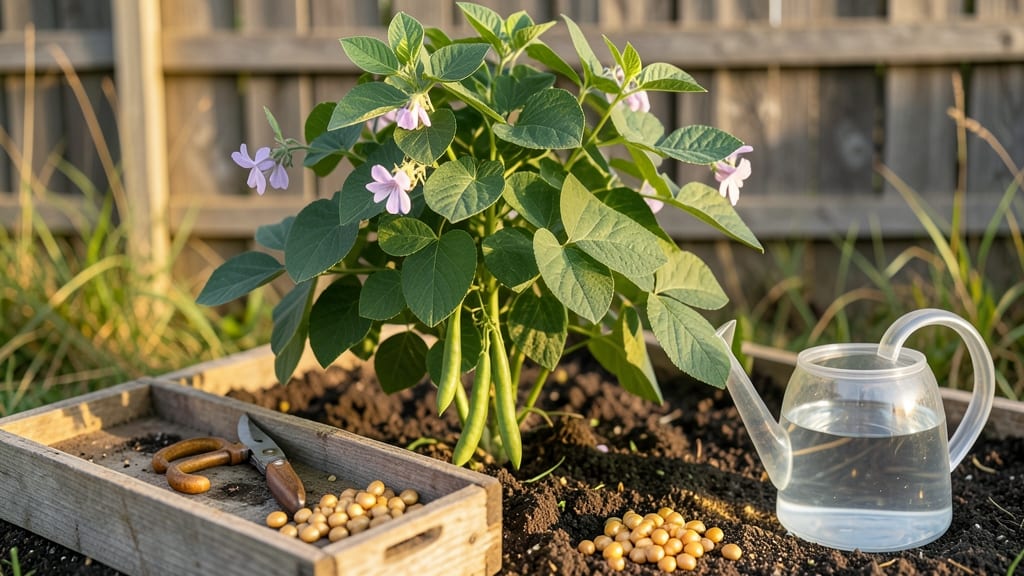
Growing soybeans isn’t just about patience—it’s about unlocking fast germination that turns your garden into a high-yield protein powerhouse. 🌱 I’ve grown them for years, and the secret lies in warm soil, precise timing, and a few tricks that cut weeks off the usual wait.
Most gardeners overlook how temperature and moisture work together, but once you master this, you’ll see those first green shoots in just 5-7 days instead of weeks.
The real magic happens in late spring, when soil temperatures hit 70°F+—that’s when soybeans wake up and race toward the light. You’ll need well-draining soil (they hate soggy roots), a sunny spot with full sun all day, and a way to keep moisture consistent without drowning them.
Even in small spaces, a 3-foot-wide row can produce enough for fresh edamame or dried beans.
By harvest time, you’ll be pulling plants that tower 3-5 feet tall with pods packed tight. The key is thinning seedlings early and watching for pests like bean beetles—remove them by hand before they multiply. With the right care, you’ll harvest 60-100 days after planting, depending on your variety.
Perfect for home gardens, small farms, or even container growing (with dwarf varieties). The payoff? Fresh soybeans straight from your plot, with none of the store-bought processing. Let’s get those seeds in the ground!
📚 In This Guide
- What you need
- Instructions
- Tips and common mistakes
- Wrapping up and next steps
What you need
- ● Soybean Seeds: Choose high-quality, non-GMO seeds (e.g., Glycine max varieties like 'Williams 82' or 'Enlist'). Aim for 1-2 lbs per 100 sq ft for optimal spacing.
- ● Soil: Well-draining, fertile loam (pH 6.0–7.5). Test soil for nitrogen (40–60 lbs/acre) and phosphorus (30–50 lbs/acre).
- ● Fertilizer: Balanced 10-10-10 or 5-10-10 fertilizer (apply 200–400 lbs/acre pre-planting).
- ● Organic options: Compost or aged manure (5–10 lbs per 100 sq ft).
- ● Watering System: Drip irrigation or hose with a gentle spray nozzle (soybeans need 1–1.5 inches/week).
- ● Planting Equipment: Hand trowel or seed drill (for precision planting).
- ● Rake or cultivator (to loosen soil before planting).
- ○ Mulch (Optional but Recommended): Straw or grass clippings (2–3 inches thick) to retain moisture and suppress weeds.
- ● Soil Amendments: Gypsum (20 lbs/100 sq ft) if soil is clay-heavy, or lime to adjust pH.
- ● Pest Control: Row covers (for early protection) or neem oil spray (organic option).
- ● Harvest Tools: Sharp scythe or pruners (for cutting mature pods) or a grain cart (for larger plots).
- ● Germination Booster: Seed inoculant (e.g., Rhizobium bacteria) to enhance nitrogen fixation (1–2 lbs per 100 lbs of seed).
Step-by-step instructions for growing high-yield soybeans
Here’s how I get soybeans sprouting in just 3-5 days—the key to beating slow germination and maximizing your harvest.
🌱 Step 1: Soak Seeds Overnight for Faster Germination
Fill a clean container with warm water (80-85°F) and add your soybean seeds. Let them soak for 12-24 hours—this softens the seed coat and triggers faster root development. I use a mesh bag to keep seeds contained while soaking, which prevents them from slipping through cracks.
After soaking, drain the water completely and let the seeds sit in a warm, dark place for 2-4 hours to prevent mold. You’ll notice small white roots emerging—this is your signal they’re ready for planting. Skipping this step can double germination time, so don’t rush it.
🌿 Step 2: Plant Seeds at the Right Depth and Spacing
Soybeans need 1-1½ inches of warm, moist soil (70-80°F) to germinate quickly. Plant seeds 1 inch deep and space them 3-4 inches apart in rows 18-24 inches apart. I use a small hand trowel to make precise holes—too deep, and they’ll struggle to break through; too shallow, and they’ll dry out.
Cover the seeds lightly with soil and water gently with a spray bottle to avoid displacing them. Press the soil down very lightly to ensure good seed-to-soil contact. This step is critical—poor contact means uneven germination, and you’ll end up with patchy stands.
☀️ Step 3: Maintain Consistent Moisture and Warmth
Keep the soil surface damp (not soggy) by watering lightly every 1-2 days until germination occurs. A clear plastic dome or row cover traps warmth and humidity, which speeds up sprouting. Remove it once seedlings emerge to prevent mold, but keep the soil moist—soybeans wilt fast if dried out.
Ideal germination temperature is 75-85°F. If your soil runs cooler, use a seedling heat mat or plant in a black plastic mulch to warm the soil naturally. You’ll see tiny sprouts in 3-5 days—here’s where patience pays off. Don’t water from above once they sprout; use a drip system or water at the base to avoid fungal issues.
✂️ Step 4: Thin Seedlings for Stronger Plants
When seedlings reach 2-3 inches tall, thin them to 4-6 inches apart to reduce competition. Use sharp scissors to snip at soil level—pulling can disturb roots of neighboring plants. I always thin on a cloudy day to minimize stress. Stronger plants mean higher yields, and this step ensures they get enough nutrients and sunlight.
Watch for leggy growth—a sign of insufficient light. If stems stretch toward the sun, move plants to a sunnier spot or add a reflective surface (like aluminum foil) on the opposite side to bounce light inward. Leggy soybeans recover poorly, so act fast if you notice this.
🪴 Step 5: Fertilize and Support for Maximum Yield
Once seedlings have 4-5 leaves, apply a balanced fertilizer (10-10-10) at half-strength to avoid burning tender roots. Soybeans fix their own nitrogen, but young plants benefit from a boost. I mix fertilizer into the soil around the base, keeping it 2 inches away from stems to prevent salt buildup.
If growing in rows, install trellis supports or stakes at planting time—soybeans can get top-heavy. Tall varieties may need gentle tying as pods develop. Harvest begins when pods turn yellow and rattle when shaken. Cut stems with pruners, leaving 2 inches of stem attached to dry the beans properly.
Tips & tricks for growing high-yield soybeans
Fast germination is everything—here's how to optimize every step for maximum speed and yield without sacrificing quality.
Soak Smarter: The 12-24 hour soak is non-negotiable for breaking dormancy, but here's what nobody tells you: use distilled water instead of tap water if your area has high chlorine levels. Chlorine can inhibit germination. I also recommend changing the soak water halfway through (after 12 hours) for cleaner seeds. After draining, spread them on a paper towel-lined tray in a warm, dark cabinet—this prevents mold while maintaining moisture. The 2-4 hour waiting period after soaking is your quality control window: if you see any fuzzy growth, rinse immediately and start fresh.
Soil Temperature Hack: While the instructions call for 70-80°F soil, here's the pro move: bury a soil thermometer at planting depth before you plant. If it reads below 70°F, warm the soil first by covering it with black plastic mulch for 24 hours before planting. I've seen germination times cut by nearly half with this simple prep. For container growing, place your pots on a seedling heat mat set to 80°F—this creates ideal conditions even in cool climates. The key is consistency: soil temp fluctuations of more than 5°F can stall germination entirely.
Germination Timing Secret: Those 3-5 days to sprouting are tight, but here's how to stay on track: mark your calendar when you plant and set a reminder for day 3. That's when you should see the first tiny green shoots. If nothing appears by day 5, gently dig down to check for seeds—sometimes they're there but struggling. My biggest mistake was assuming seeds were dead when they were actually just waiting for perfect conditions. Pro tip: keep a spray bottle handy for day 3-5—seedlings need moisture but can't handle soggy soil. Aim for dampness, not puddles.
Thinning Technique: When it's time to thin to 4-6 inches apart, here's what I learned the hard way: don't thin too early. Wait until seedlings have at least 2 true leaves (not just the initial seed leaves) before snipping. I used to thin at 1-2 inches tall, and while it worked, the plants always took longer to recover. For the cleanest cut, use sharp scissors dipped in rubbing alcohol between cuts to prevent disease transfer. And here's a little-known trick: after thinning, give the remaining plants a light foliar spray of seaweed extract—it helps them recover faster from transplant shock.
Pro Tips for Grow Soybeans
- Fast germination is everything—here's how to optimize every step for maximum speed and yield without sacrificing quality.
- Soak Smarter: The 12-24 hour soak is non-negotiable for breaking dormancy, but here's what nobody tells you: use distilled water instead of tap water if your area has high chlorine levels.
- Soil Temperature Hack: While the instructions call for 70-80°F soil, here's the pro move: bury a soil thermometer at planting depth before you plant.
Frequently asked questions
Got questions about growing soybeans? You’re not alone—this versatile crop can be tricky for beginners! Here are answers to the most common queries to help you grow like a pro.
How long does it take for soybeans to germinate?
Soybeans typically germinate in 7–14 days after planting, depending on soil temperature and moisture. Ideal germination occurs at 68–86°F (20–30°C). If your soil is too cold, germination slows down—consider using a seed warmer or waiting for warmer conditions.
What’s the best time to plant soybeans?
Plant soybeans when soil temperatures reach 60°F (15°C) and stay consistent. In most regions, this means late spring to early summer (April–June). Avoid planting too early—cold soil can stunt growth or invite pests. Check your local frost dates for precise timing!
What are the most common soybean pests, and how do I prevent them?
Watch for bean leaf beetles, aphids, and soybean cyst nematodes. Rotate crops yearly, use neem oil or insecticidal soap for early infestations, and plant resistant varieties if pests are recurrent. Healthy soil and proper spacing also deter pests naturally.
How much water do soybeans need?
Soybeans need 1–1.5 inches of water per week, especially during flowering and pod formation. Overwatering can cause root rot, so ensure well-draining soil. Drip irrigation or soaker hoses work best—avoid wetting leaves to prevent disease.
Can I grow soybeans in containers, or do I need a large garden?
Yes! Soybeans thrive in 5-gallon containers or deeper pots with proper drainage. Choose bush varieties (like ‘Envy’ or ‘Hark’) for smaller spaces. Just ensure they get 6+ hours of sunlight daily and support their vines with a trellis if needed.
Wrapping up and next steps
Growing soybeans is a rewarding journey that combines patience, precision, and a touch of science!
By selecting the right variety, preparing your soil, and mastering germination techniques, you’re well on your way to a bountiful harvest. Remember: consistency in moisture, temperature, and care is key—your hard work will pay off in lush, high-yield crops.
Ready to take the next step? Start small with a test plot to refine your method, then scale up as you gain confidence. Happy planting—your future soybeans are waiting! 🌱✨