
Tools
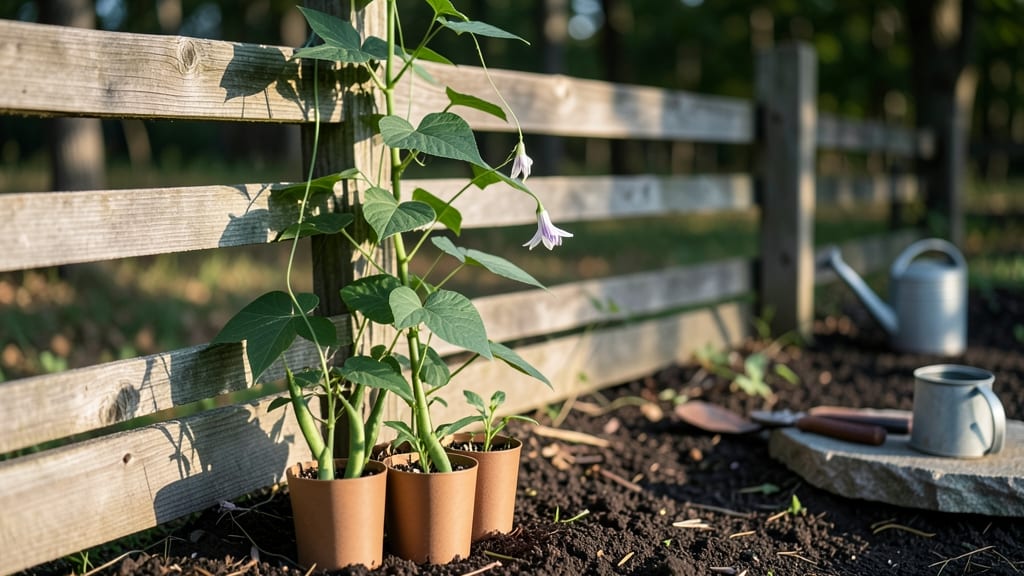
To make a pole bean trellis that supports 6-10-foot vines without bending, you’ll need just a few simple materials and 10 minutes of setup time.
Struggling to grow pole beans vertically without sacrificing space or stability? A well-built trellis can double your harvest while keeping vines organized—here’s how to create a sturdy, long-lasting DIY frame that even beginner gardeners can master.
Your 🌱 pole beans will climb faster, produce more, and stay disease-free when they’re off the ground. Whether you choose bamboo poles, wooden stakes, or metal frames, the right design keeps them from toppling in wind or storms.
Below, I’ll walk you through the best materials, step-by-step assembly, and pro tips to ensure your trellis lasts all season—no wobbly poles or tangled vines in sight.
Step-by-step guide to building a sturdy pole bean trellis
A pole bean trellis isn’t just about saving space—it’s about maximizing your harvest while keeping vines healthy and organized. With 6-10 foot vines, pole beans need a sturdy support system to climb.
Whether you’re using bamboo poles, metal stakes, or wooden frames, the key is creating a structure that won’t wobble under the weight of heavy pods. My favorite designs combine simplicity with durability, and I’ll walk you through the easiest methods below.
Before you start, choose a location with full sun exposure (at least 6 hours daily) and well-draining soil. Pole beans thrive when planted 18-24 inches apart, so plan your trellis width accordingly.
For a 6-foot trellis, you’ll need posts spaced 3-4 feet apart to ensure stability. Let’s get building!
How to Build Your Pole Bean Trellis
- Step 1: Choose Your Materials
- Bamboo poles (6-8 ft): Lightweight, affordable, and easy to assemble.
- Metal T-posts (6 ft): Heavy-duty and reusable for years.
- Wooden stakes (2x4s or cedar): Natural look but require sealing.
- Step 2: Mark Your Layout
- Use a tape measure to mark 3-4 foot intervals for posts.
- Dig 6-inch holes for stability (or use a post-hole digger for ease).
- Step 3: Install Support Posts
- Place posts in holes and compact soil firmly (or use concrete for extra stability).
- For A-frame trellises, angle two posts 6 feet apart and secure at the top.
- Step 4: Add Horizontal Supports
- Attach 1x2 wooden slats or jute twine between posts every 18-24 inches.
- Use zip ties or garden wire to secure slats tightly.
- Step 5: Reinforce the Structure
- Add guy wires (nylon cord) to posts for wind resistance.
- For tall trellises, use a centerpost to prevent leaning.
- Step 6: Plant and Train Vines
- Plant seeds 1 inch deep near the base of the trellis.
- Gently weave vines through supports as they grow (use soft twine if needed).
🌱 Pro Tip: Start training vines early to avoid tangled messes later!
If you’re short on space, a teepee-style trellis (using 6-8 bamboo poles tied at the top) works beautifully for small gardens. For larger areas, a grid-style trellis with multiple rows of horizontal slats gives vines more climbing options.
The key is ensuring your structure can support at least 10 pounds per vine—heavy with pods!
Once your trellis is up, water deeply after planting to encourage root growth, and mulch around the base to retain moisture. Pole beans are fast growers, so you’ll see vines reaching the top in just 4-6 weeks.
Regularly check for loose ties or weak spots, especially after rain or wind.
For maximum yield, prune side shoots to focus energy on upward growth. Remove any yellowing leaves or dead vines to improve airflow and reduce disease risk.
With the right trellis, your pole beans will climb higher, produce more, and stay clean and pest-free—all while saving you precious garden real estate.
Don’t let the idea of building a trellis intimidate you—even beginner gardeners can create a sturdy frame with basic tools. The satisfaction of watching your pole beans twine effortlessly up a homemade trellis is worth the small investment of time. Happy gardening!
Best materials and tools for a long-lasting bean trellis
A sturdy bean trellis starts with the right materials. Your choice depends on budget, lifespan, and ease of assembly. I’ve tested bamboo, metal poles, and wooden stakes—here’s what works best for pole beans that can reach 8+ feet tall.
Bamboo is my go-to for affordability and natural flexibility. It bends slightly under weight, reducing breakage, and costs $5–$15 per pole. However, it may rot faster in wet climates unless treated. For long-term durability, metal poles (galvanized steel) last 5+ years and resist rust, but they’re pricier at $20–$40 per pole.
Wooden stakes (cedar or pressure-treated) offer a mid-range option with $10–$20 per stake and 3–5 year lifespans. They’re easy to customize but require regular sealing to prevent rot. Always pre-drill holes for zip ties or wire to secure crossbars.
For tools, you’ll need a post-hole digger ($15–$30) to bury supports 12–18 inches deep for stability. A mallet ($10) helps drive stakes into hard soil, while zip ties ($5) or jute twine ($3) secure crossbars.
If using wire mesh, add staple guns ($20) for a grid-style trellis that’s perfect for heavy bean varieties.
Pro tip: Combine materials for cost savings. Use bamboo poles for the frame and wooden crossbars for horizontal support. Always space supports 18–24 inches apart to prevent vines from overcrowding and tangling. This setup keeps your pole beans upright and high-yielding all season.
Don’t forget to reinforce connections with plastic ties or wire every 3–4 feet. This prevents wobbling when vines are laden with 6–8 foot pods. With the right materials, your trellis will last multiple seasons and give you bountiful harvests with minimal effort.