
Container Gardens
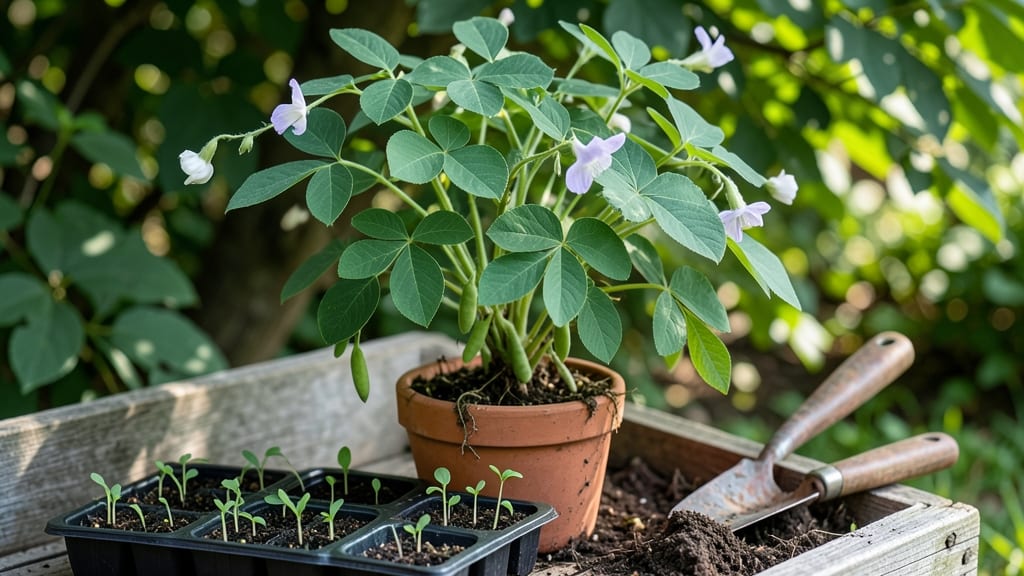
Planting beans in a pot means fresh, homegrown harvests even on a balcony or patio. 🌱 I started with just one container last spring, and now I grow three varieties—bush beans, pole beans, and a dwarf heirloom—without taking up garden space.
The key is choosing the right pot, soil, and variety for your space, and I’ll walk you through every step so you avoid my early mistakes. You’ll need a pot at least 5 gallons for bush beans or 10 gallons for pole varieties, well-draining soil, and a sunny spot.
Most people overlook drainage, which leads to root rot—don’t make that mistake. Plant seeds 1 inch deep, spacing them 2-3 inches apart, and keep the soil consistently moist but not soggy. Within 10-14 days, you’ll see those first little leaves pushing through the soil.
By midseason, you’ll be harvesting tender pods straight from the plant, and the flavor beats anything from the store. Pole beans keep producing for weeks if you provide a trellis, while bush varieties give a quick, concentrated harvest. The best part?
No bending over—just reach into your pot and pick fresh beans whenever you’re ready. Works for any patio, balcony, or sunny windowsill. Here’s how to get started without a single misstep!
📚 In This Guide
- What you need
- Instructions
- Tips and common mistakes
- Wrapping up and next steps
What you need
- ● Container: A pot or grow bag with a minimum 5-gallon capacity (bigger is better for pole beans—10+ gallons recommended). Ensure it has drainage holes at the bottom.
- ● Potting soil: A high-quality, well-draining container mix (avoid garden soil—it compacts too easily). Aim for 2-3 cubic feet per pot.
- ● Bean seeds: Choose pole beans (e.g., 'Kentucky Wonder') or bush beans (e.g., 'Blue Lake'). Plant 3-5 seeds per pot for bush varieties or 1-2 seeds for pole beans (they’ll climb!).
- ● Support structure (for pole beans): A trellis, bamboo stake, or wire cage (at least 5-6 feet tall) to guide vines upward.
- ● Watering can or hose with a gentle spray nozzle: Beans need consistent moisture but hate soggy roots.
- ○ Fertilizer (optional but helpful): A balanced, slow-release fertilizer (e.g., 10-10-10) or compost mixed into the soil at planting.
- ● Mulch: Straw or shredded leaves to retain moisture and suppress weeds.
- ● Plant markers: Small labels or popsicle sticks to track varieties (especially useful if growing multiple types).
- ● Organic pest control: Neem oil or row covers to deter pests like aphids or Mexican bean beetles.
- ● Grow lights (indoor setups): If starting seeds inside, a full-spectrum LED grow light ensures strong seedlings.
Step-by-step guide to planting beans in pots
Growing beans in containers is easier than you think—here’s how to get started with pole or bush varieties.
🪴 Step 1: Choose the Right Pot and Drainage
Pick a container that’s at least 12 inches deep and wide enough to hold 4-6 plants (for bush beans) or a single pole bean plant. Drainage is critical—make sure the pot has drainage holes at the bottom. If it doesn’t, drill a few yourself to prevent soggy roots, which can rot beans quickly.
I like to use terra cotta pots because they breathe better than plastic, but any sturdy container will work. Place a small layer of gravel or broken pottery pieces in the bottom to improve drainage. This ensures excess water flows out instead of pooling around the roots.
🌱 Step 2: Prepare Soil and Plant Seeds
Fill the pot with a mix of potting soil and a handful of compost to give your beans the nutrients they need. Bush beans prefer well-draining soil, while pole beans benefit from a slightly looser mix to support their climbing habit. Moisten the soil until it’s damp but not waterlogged—you should be able to squeeze a handful without it dripping.
Plant seeds 1 inch deep and 2-3 inches apart for bush beans, or just 1-2 seeds per pot for pole beans. If you’re growing pole beans, place a small trellis or stakes in the pot now so the vines have something to climb as they grow. Water gently after planting to settle the soil around the seeds.
☀️ Step 3: Position for Sun and Water Regularly
Beans need 6-8 hours of sunlight daily, so place your pot in a sunny spot—like a south-facing window or balcony. If you’re growing pole beans, rotate the pot occasionally so the plant grows straight rather than leaning toward the light. You’ll notice leaves start to unfurl in about 7-10 days, signaling successful germination.
Water when the top 1 inch of soil feels dry. Beans are drought-sensitive, so consistent moisture is key, but avoid overwatering—soggy soil can lead to root rot. A good rule of thumb is to water every 2-3 days, adjusting based on your climate and pot size.
🌿 Step 4: Support Growth and Harvest
For pole beans, gently tie the vines to the trellis or stakes as they grow to keep them upright. Bush beans don’t need support, but you can pinch off any flowers that appear early to encourage bushier growth. Once the plants start flowering, you’ll see pods forming in about 2-3 weeks—that’s when the fun begins!
Harvest beans when the pods are firm but still tender, usually within 50-60 days after planting. Pick regularly to encourage more production. If you leave pods on the plant too long, they’ll toughen up and the flavor will suffer. A quick pinch test—if the pod snaps easily, it’s ready to eat!
Tips & tricks for perfect container-grown beans
Container gardening with beans is all about the little details that make a big difference. Here's what I've learned after growing these in pots for years.
Pot Selection Wisdom: If you're using a plastic pot without drainage holes, add a layer of pebbles at the bottom and create a false bottom with window screen or hardware cloth. This mimics the drainage you'd get with terra cotta while working with what you have. For larger pots, consider adding a second drainage hole on the opposite side to prevent water from pooling.
Soil Mix Strategy: The potting soil and compost mix should feel like a damp sponge—not wet, not dry. I always add a handful of perlite to my mix for pole beans, which helps keep the soil loose enough for those climbing roots to spread comfortably. For bush beans, a slightly denser mix works better to support their bushier growth habit.
Sunlight Optimization: Those 6-8 hours of sunlight are non-negotiable, but here's a trick for small spaces: place your pot on a rolling plant stand or casters. This lets you rotate it daily to follow the sun's path, ensuring even growth. I also keep mine on my balcony where it gets morning and afternoon sun—this works surprisingly well even in partial shade situations.
Harvesting Hack: When checking for readiness, look for pods that snap easily when gently pinched between your thumb and forefinger. But here's the real secret: harvest every other day during peak production. This keeps the plant focused on producing new pods rather than letting existing ones toughen up. I've found that regular harvesting actually extends the overall production window by 2-3 weeks.
Pro Tips for Plant Beans In A Pot
- Container gardening with beans is all about the little details that make a big difference. Here's what I've learned a...
- Pot Selection Wisdom: If you're using a plastic pot without drainage holes, add a layer of pebbles at the bottom and ...
- Soil Mix Strategy: The potting soil and compost mix should feel like a damp sponge—not wet, not dry. I always add a h...
Frequently asked questions
Got questions about growing beans in pots? You’re not alone! Here are some of the most common concerns—plus quick, practical answers to help you succeed with your container garden.
How deep should the pot be for beans?
Beans need at least 12–18 inches of depth to thrive. Shallow pots (under 10 inches) will stunt root growth, especially for pole beans. If using a smaller container, opt for bush varieties or add extra compost to boost nutrients. Pro tip: Drill drainage holes if your pot lacks them!
When is the best time to plant beans in pots?
Beans love warm soil (60°F+), so wait until after the last frost in spring. In warm climates, you can also plant in late summer for a fall harvest. Avoid planting too early—cold soil slows germination. Pro tip: Use a heat mat for indoor starts if your season is short!
Can I grow pole beans in a pot?
Yes! Pole beans are great for pots if you provide a trellis or stake (5–6 feet tall). Choose compact varieties like ‘Kentucky Wonder’ or ‘Blue Lake’ to save space. Just ensure the pot is wide enough (12+ inches in diameter) to support the plant’s growth. Pro tip: Rotate the pot occasionally for even sunlight!
Why aren’t my bean plants growing in a pot?
Slow growth often means poor drainage, lack of sunlight, or nutrient deficiencies. Check for:
- Watering issues: Keep soil moist but not soggy.
- Sunlight: Beans need 6–8 hours of direct sun daily.
- Fertilizer: Use a balanced, low-nitrogen fertilizer (like 5-5-5) every 3–4 weeks.
- Pests: Inspect for aphids or spider mites—spray with neem oil if needed.
Pro tip: If leaves yellow, flush the soil with water to check for over-fertilizing!
What if I don’t have a sunny spot?
Beans struggle without sunlight, but you can try:
- Partial shade: Choose shade-tolerant varieties like ‘Contender’ or ‘Blue Lake Bush’ (they handle 4–6 hours of sun).
- Grow lights: Use a full-spectrum LED for 12+ hours/day if indoors.
- Short-season varieties: ‘Mascotte’ or ‘Blue Lake’ mature faster in cooler conditions.
Pro tip: A south-facing window or balcony with reflective surfaces (like white walls) can boost light!
Wrapping up and next steps
Growing beans in pots is a rewarding way to enjoy fresh, homegrown produce—even in small spaces!
Whether you choose pole beans for vertical growth or bush beans for compact harvests, the key is patience, proper care, and a little sunshine. 🌱 With the right setup, you’ll soon be savoring crisp, flavorful beans straight from your container garden.
Ready to take the next step? Experiment with different varieties or try adding companion plants like herbs or marigolds to boost your harvest. Happy planting—your taste buds (and garden!) will thank you!