
Flowers
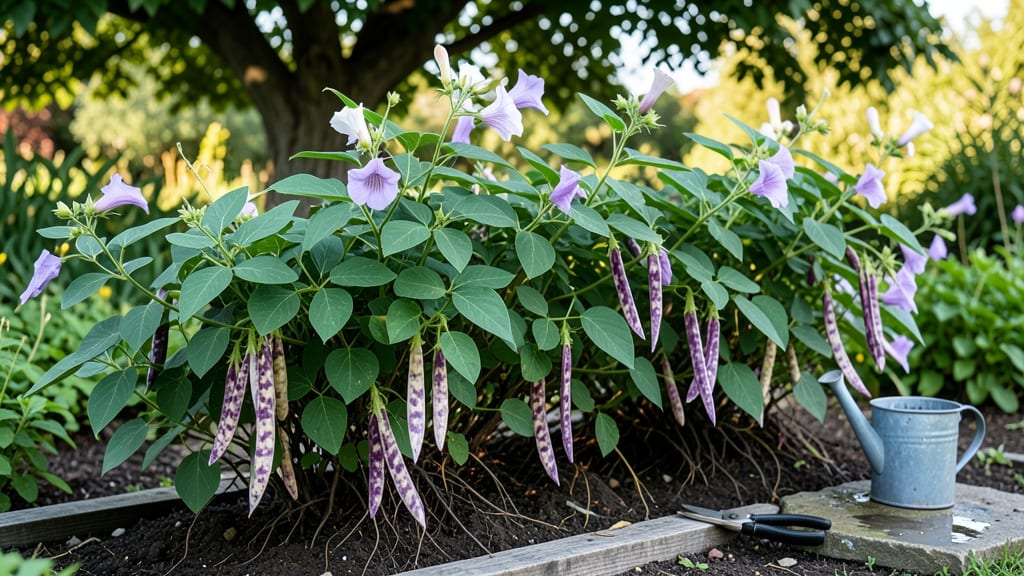
Growing hyacinth bean vine means climbing vines, fragrant flowers, and edible blooms in just 90 days. 🌿 I fell for this plant after seeing its striking purple flowers and learning they’re safe to eat—plus, the vines are tough enough to handle my occasional forgetfulness with water.
The secret to success starts with the right spot and a little patience as those tendrils find their way up trellises or fences.
This vine thrives in full sun to partial shade, making it perfect for patios, trellises, or even container growing. It’s not picky about soil as long as it drains well—sandy loam or enriched garden beds work great.
Plant seeds ½ inch deep in spring after the last frost, and they’ll sprout in about 10-14 days. The real magic happens when those vines start climbing, covering structures with lush foliage and clusters of sweet-smelling blooms by midsummer.
You’ll harvest edible flowers (great in salads or garnishes) and young pods (similar to snap peas) all season long. The vines keep producing until frost, and they even self-seed for next year if you let them.
Just watch for bean beetles—they love these plants too—and give them a light spray of neem oil if needed. With minimal effort, you’ll have a vibrant, productive climber that doubles as a kitchen ingredient.
Works beautifully in USDA zones 5-11, whether you’re training it up a fence or letting it sprawl in a garden bed. The best part? It’s drought-tolerant once established, so it’s low-maintenance after the initial care. Ready to grow yours?
📚 In This Guide
- What you need
- Instructions
- Tips and common mistakes
- Wrapping up and next steps
What you need
- ● Hyacinth bean seeds (Lablab purpureus) – 5–10 seeds (organic, non-GMO preferred for best results).
- ● Potting mix or garden soil – Well-draining, rich in organic matter (1 bag for containers, 2–3 cubic feet for in-ground planting).
- ● Compost or worm castings – 1–2 cups per planting hole (boosts nutrient uptake).
- ● Trellis or climbing structure – 4–6 ft tall (bamboo stakes, wire mesh, or a pergola work great!).
- ● Watering can or hose with a gentle spray nozzle – For consistent moisture without damaging seeds.
- ● Garden trowel or small shovel – For planting seeds and loosening soil.
- ○ Glove (optional) – Protects hands from thorns (especially if pruning later).
- ● Sunlight access – At least 6–8 hours of full sun daily (partial shade in hot climates).
- ○ Mulch (optional) – Straw or shredded leaves to retain moisture and suppress weeds.
- ○ Fertilizer (optional) – Balanced 10-10-10 or compost tea every 4–6 weeks for faster growth.
Step-by-step instructions for growing hyacinth bean vines
This fast-growing, fragrant climber delivers stunning flowers and edible blooms in just three months—here's how to coax the best from it.
🌱 Step 1: Start Seeds Indoors 8-10 Weeks Before Last Frost
Fill 2-3 inch deep seed-starting trays with moistened seed-starting mix, pressing it down gently to remove air pockets. Hyacinth bean seeds germinate best at 70-75°F, so use a seedling heat mat if your home runs cooler. Plant seeds ½ inch deep—they're large, so don't bury them too shallowly or they'll dry out before sprouting.
Cover the trays with plastic wrap to maintain humidity, then place them in indirect light. Check daily for condensation—remove the wrap immediately if you see water droplets forming. You'll notice tiny sprouts in 7-14 days, but don't be surprised if germination takes up to 3 weeks in cooler conditions. Once seedlings emerge, move them to a sunny windowsill or under grow lights for 12-14 hours daily.
☀️ Step 2: Harden Off and Transplant After Frost
Two weeks before your last frost date, begin hardening off seedlings by placing them outside in a sheltered spot for 1-2 hours daily. Gradually increase exposure over 7-10 days, watching for leaves that yellow or wilt—this signals they're not ready for full sun yet. Hyacinth beans thrive in full sun to partial shade, but young plants need time to acclimate.
After the last frost, transplant seedlings 12-18 inches apart in well-draining soil amended with compost. Choose a location with a trellis or sturdy support—these vines grow 10-15 feet tall in one season. Water deeply at transplanting to settle the roots, then maintain 1 inch of water weekly during dry spells. You'll see vigorous new growth within 10-14 days if conditions are right.
🪴 Step 3: Train Vines and Support Growth
As vines climb, gently weave them through trellis supports to encourage upward growth. Avoid tying them tightly—they're delicate and can snap under pressure. Prune leggy stems back to a leaf node to promote bushier growth, but don't cut more than ⅓ of the plant at once. This vine produces fragrant, pea-like flowers in shades of white, pink, or blue, but the real show comes when pods form—each holds 3-5 seeds that can be saved for next year.
Deadhead spent flowers to redirect energy to new blooms and seed pods. If vines become too dense, thin them to 3-4 main stems per plant to improve airflow and reduce disease risk. Mulch around the base with 2-3 inches of organic mulch to retain moisture and suppress weeds. You'll notice flowers appearing 60-90 days after transplanting, depending on your climate.
✂️ Step 4: Harvest and Maintain Through the Season
Harvest flowers when fully open for culinary use—they have a sweet, vanilla-like flavor perfect for garnishes. Pick pods when they're dry and papery to save seeds for next season. Wear gloves when handling the pods, as they contain mild toxins that can irritate skin. After the first flush of flowers, you may see a second bloom cycle in warmer climates, but growth typically slows in fall.
Fertilize lightly every 4-6 weeks with a balanced, water-soluble fertilizer to encourage continuous blooming. Reduce watering as fall approaches to prepare vines for dormancy. In colder climates, the plant dies back to the ground—simply cut back stems and compost the debris. In mild winters, vines may persist, but they'll need winter protection if temperatures drop below 20°F.
Tips & tricks for growing hyacinth bean vines
Here's what nobody tells you about coaxing these fragrant climbers to thrive—lessons I learned after watching my first batch struggle in less-than-ideal conditions.
Germination Conditions: The 70-75°F temperature range is non-negotiable for reliable germination. If your home runs cooler, invest in a seedling heat mat—it's the difference between sprouts in 7 days and waiting 3 weeks. I've also found that gently pressing the seeds into the moist mix (rather than just covering) helps maintain consistent soil-to-seed contact, which prevents drying out during those critical first days.
Harden Off Gradually: That 1-2 hour daily exposure during hardening off might seem short, but it's about acclimation, not duration. Watch for wilting or yellowing—those are your plant's way of saying "I'm not ready yet." I've seen seedlings that looked perfect after 2 hours but wilted completely when moved to full sun too soon. Start with morning sun and work toward afternoon exposure over those 7-10 days.
Support System Matters: When choosing trellis supports, prioritize flexibility over rigidity. These vines grow aggressively (10-15 feet!) and can snap if tied too tightly. I use spiral trellis netting that allows the vines to weave naturally while providing support. For heavy blooms, consider adding a secondary support like bamboo stakes at the base to prevent toppling during wind or rain.
Pruning Strategy: The "don't cut more than ⅓ at once" rule is about balance. When pruning leggy stems, make cuts just above a leaf node where new growth will emerge. I've found that pruning in the morning gives plants the full day to recover before nightfall, which seems to reduce stress. Also, save those pruned stems—they can be rooted in water to create new plants!
Pro Tips for Hyacinth Bean Vine
- Here's what nobody tells you about coaxing these fragrant climbers to thrive—lessons I learned after watching my first batch struggle in less-than-ideal conditions.
- Germination Conditions: The 70-75°F temperature range is non-negotiable for reliable germination.
- Harden Off Gradually: That 1-2 hour daily exposure during hardening off might seem short, but it's about acclimation, not duration.
Frequently asked questions
Got questions about growing and enjoying your hyacinth bean vine? You’re not alone! Here are some of the most common queries—plus quick, practical answers to keep your climbing beauty thriving.
How fast does the hyacinth bean vine grow?
The hyacinth bean vine is a fast grower—expect 6 to 12 inches per week under ideal conditions! With proper support (like a trellis or fence) and regular watering, it can reach 10 to 15 feet in just 90 days. Pro tip: Prune lightly to encourage bushier growth and more flowers!
When is the best time to plant hyacinth bean vines?
Plant seeds after the last frost when soil temps hit 60°F+ (spring is ideal in most climates). For warmer zones, you can direct-sow in early summer—just ensure they get full sun (6+ hours/day). If starting indoors, sow 4–6 weeks before transplanting. Key: Avoid planting too early; cold soil can stunt germination.
Are hyacinth bean flowers edible? How do I harvest them?
Yes! Both the flowers and pods are edible—use them like sweet peas. Harvest flowers when fully open (morning is best) and pods when young and tender (before they harden). Gently twist stems to avoid damaging the vine. Safety note: Avoid consuming large quantities of seeds (they contain lathyrism toxins if overconsumed).
What pests or diseases should I watch for?
Common pests include aphids, spider mites, and bean beetles. Treat with neem oil or insecticidal soap if infestations occur. Powdery mildew can appear in humid conditions—improve airflow and avoid overhead watering. Preventative tip: Mulch around the base to deter soil-borne issues and keep vines healthy!
Can I grow hyacinth bean vines in containers?
Choose a large container (10+ gallons) with drainage holes and a support trellis. Use a light, well-draining potting mix and fertilize every 4–6 weeks. Containers dry out faster, so water deeply 2–3 times/week. Bonus: They’re perfect for balconies or small gardens!
What can I do if my hyacinth bean vine isn’t flowering?
Lack of flowers often stems from low light, over-fertilizing (too much nitrogen), or lack of support. Move to sunnier spot, switch to a balanced fertilizer (10-10-10), and ensure it has a sturdy trellis. Deadhead spent blooms to encourage more flowers. Check: If nights are too cool (<50°F), flowers may drop—try a light frost cloth if needed.
Wrapping up and next steps
Growing a hyacinth bean vine is a rewarding journey that blends beauty, functionality, and speed—producing stunning blooms and edible flowers in just 90 days! 🌸 Whether you’re drawn to its vibrant colors, quick growth, or culinary potential, this versatile vine is a fantastic addition to any garden.
With the right care, you’ll enjoy a lush, fragrant trellis that thrives year after year.
Ready to take the next step? Start by selecting healthy seeds or seedlings, then give your hyacinth bean vine the love it deserves. Watch it climb, bloom, and delight—your garden (and taste buds!) will thank you. Happy growing! 🌱✨