
Succulent
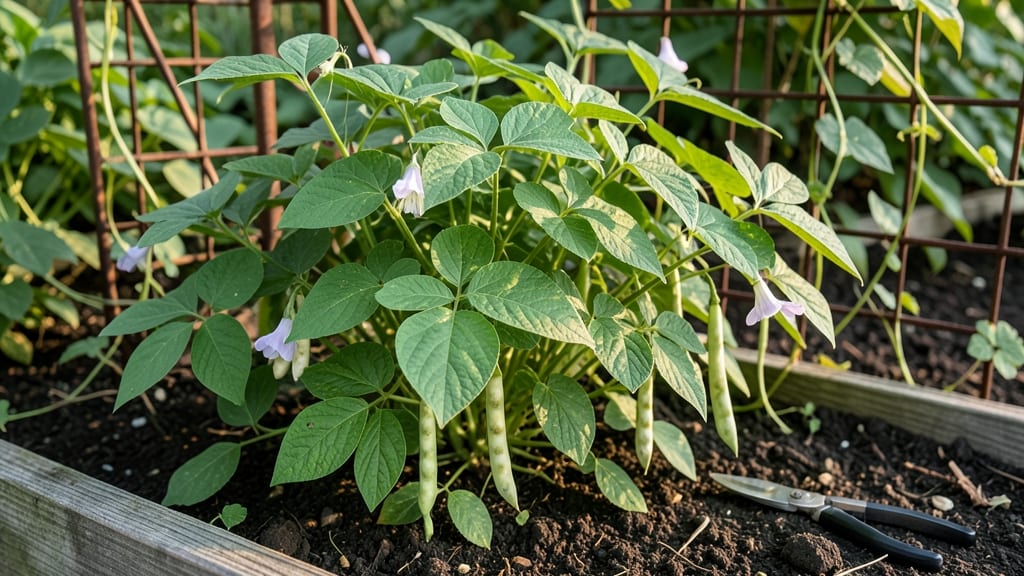
The ice cream bean’s scientific name is Inga edulis, a tropical tree native to South America prized for its sweet, vanilla-like pulp. Its botanical classification includes the Fabaceae family, and it’s also called ‘guama’ or ‘ice cream bean tree’ for its edible seed pods.
The Inga edulis name comes from its genus Inga—a group of over 300 species in the legume family—while edulis reflects its edible seed pods. 🌿 These trees thrive in warm climates, producing pods that split open to reveal sweet, custard-like pulp surrounding a single large seed.
The common name 'ice cream bean' comes from this creamy texture, which melts in your mouth like dessert. Many gardeners grow it for both ornamental value and its unique, vanilla-cinnamon flavor profile.
What makes this tree botanically fascinating is its dual role: the leaves provide nitrogen-fixing benefits for surrounding plants, while the pods offer a gourmet treat. Inga feuillei, another related species, produces similarly sweet pods but with a slightly firmer texture.
If you're growing these trees, remember they need well-draining soil and regular watering during their first year to establish strong root systems.
💡 In This Article
- Botanical Classification and Family Traits of Inga edulis
- Cultivating Ice Cream Bean Trees: Varieties and Growing Conditions
Botanical classification and family traits of Inga edulis
The genus Inga belongs to the Fabaceae family—one of the largest plant families, containing over 700 genera and 19,000 species. What makes Inga edulis unique is its specialized seed pods, which split open to reveal sweet, custard-like pulp surrounding a single large seed.
This adaptation evolved to attract animals that disperse the seeds, ensuring the tree's survival in tropical ecosystems. 🌿 The species name edulis literally means "edible," directly referencing its culinary value.
The tree's compound leaves, with 4-8 pairs of leaflets, create a dense canopy that provides shade while fixing nitrogen in the soil—a trait shared with other legumes like peas and beans.
The seed pods themselves are flat, elongated, and about 8-12 inches long, resembling a flattened bean pod but with a much sweeter interior.
When ripe, the pods turn brown and split open along both sides, exposing the creamy pulp that's been likened to vanilla ice cream with a subtle cinnamon note.
What most people don't realize is how the tree's botanical structure supports its dual purpose: the leaves provide ecological benefits through nitrogen fixation, while the pods offer a gourmet treat.
The pulp's sweetness comes from natural sugars (primarily fructose and glucose) that develop as the pods mature over 3-5 months. This dual functionality makes Inga edulis particularly valuable in agroforestry systems where both food and environmental benefits are desired.
The tree's classification also reveals its evolutionary history—it's closely related to species like Inga feuillei, which produces similarly sweet pods but with a slightly firmer texture. These variations occur because different Inga species have adapted to specific microclimates across Central and South America.
For example, Inga edulis thrives in Colombia's Andean foothills, while Inga feuillei prefers the lower elevations of Costa Rica and Panama.
Here's what's actually happening botanically when you eat the pulp: the sweetness comes from specialized cells in the pod's inner wall that store sugars during development. These cells rupture when the pod matures, releasing the creamy substance.
The large seed in the center contains proteins and oils that support the tree's reproduction cycle—while you enjoy the sweet part, the seed ensures the next generation of trees grows.
Consider these key traits when identifying Inga edulis in the wild or garden:
- Leaf structure: Pinnate leaves with 4-8 pairs of leaflets, each 1-2 inches long, creating a feathery appearance
- Pod characteristics: Flat, elongated pods 8-12 inches long that split open when ripe, revealing creamy pulp
- Growth habit: Can reach 30-50 feet tall in ideal conditions, with a rounded canopy
- Flowering: Produces fragrant white flowers in clusters before pods develop
The tree's scientific name reflects its evolutionary journey—Inga from its genus classification, edulis for its edible qualities, and its placement in Fabaceae highlighting its role in nitrogen fixation. This combination of botanical traits makes it both an ecological asset and a culinary treasure in tropical regions. 🌱