
Pruning
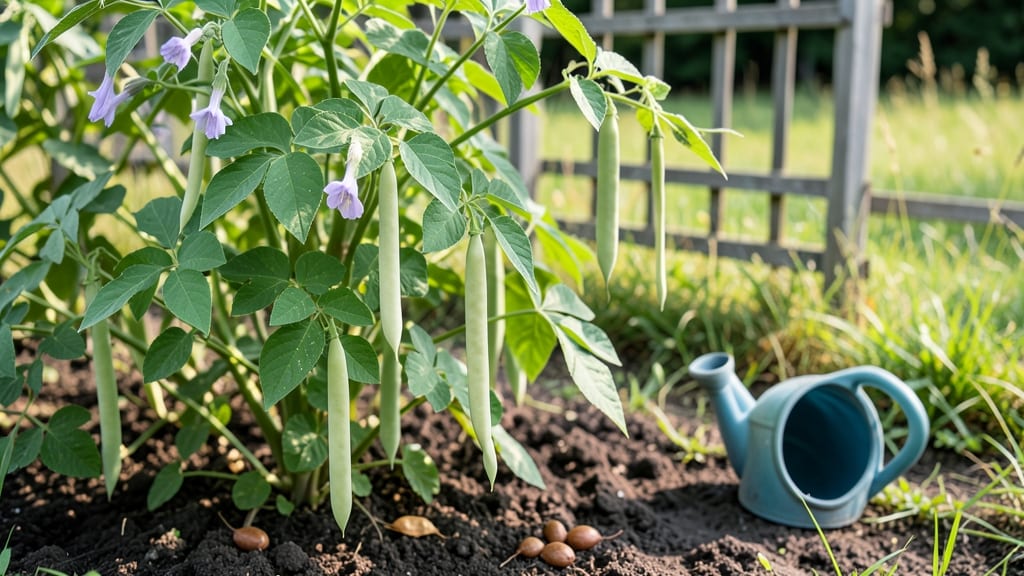
Your Florida yard could be producing sweet, edible beans that taste like vanilla ice cream—if you prune your ice cream bean tree correctly. 🌿 This tropical gem thrives in the Sunshine State, but without the right cuts, it’ll focus on foliage instead of those delicious pods.
I’ve learned the hard way that timing and technique make all the difference between a bushy ornamental plant and a productive harvest.
The key is pruning twice a year: once in late winter to shape the tree and again after harvests to encourage new growth. Florida’s humidity means you’ll need sharp tools and quick cuts to avoid fungal issues—dull shears leave ragged wounds that invite problems.
Start by removing dead or crossing branches first, then thin out the canopy to let sunlight reach the lower pods where the sweetest beans form.
With proper pruning, you’ll see fresh pods every 6-8 weeks, and the tree’s glossy leaves will stay lush year-round. The beans aren’t just edible—they’re a conversation starter, with their creamy texture and vanilla flavor.
Plus, the tree’s fragrant white flowers attract pollinators, making your yard a mini ecosystem. Just avoid heavy pruning in summer when the tree is already stressed from heat.
Florida’s wet season can turn pruning into a challenge, so work on dry mornings and sterilize your tools between cuts. The payoff? A tree that keeps producing through hurricanes, heatwaves, and even droughts—if you give it the right care. Let’s get those shears sharp and start harvesting!
📚 In This Guide
- What you need
- Instructions
- Tips and common mistakes
- Wrapping up and next steps
What you need
- ● Ice Cream Bean Seeds or Saplings: 2–3 seeds (if starting from scratch) or 1–2 young saplings (for faster growth).
- ● Ensure they’re Florida-friendly (or cold-hardy varieties if in North FL).
- ● Well-Draining Soil Mix: 50% topsoil + 30% compost + 20% perlite/sand (for drainage).
- ● pH level: 6.0–7.5 (test with a soil kit if unsure).
- ● Container or Garden Space: Container: 3–5 gallon pot (minimum 18" deep) with drainage holes.
- ● Garden Bed: Full sun (6+ hours/day) + partial shade (for FL’s heat).
- ● Pruning Tools: 1 pair bypass pruners (sharp, sterilized).
- ● 1 pruning saw (for thicker branches).
- ○ 1 hand saw (optional, for stubborn growth).
- ● Fertilizer: Balanced 10-10-10 fertilizer (spring/fall) or compost tea (monthly).
- ● Mulch: 2–3 inches of wood chips or pine straw (retains moisture).
- ● Drip irrigation system (for consistent watering in FL’s dry spells).
- ● Tree support stakes (if growing in windy areas).
- ● Hose with adjustable nozzle (for deep watering).
- ● Gloves + long sleeves (protection from thorns!).
- ● Growth regulator (like seaweed extract) for faster fruiting.
Step-by-Step guide to pruning your ice cream bean tree in Florida
Here's how I keep my ice cream bean tree thriving—and producing those sweet pods—through Florida's warm seasons.
✂️ Step 1: Identify and Remove Dead or Diseased Branches
Start by inspecting your tree for any branches that look brown, brittle, or mushy—these are dead or diseased and need immediate removal. Ice cream bean trees are tropical and shouldn’t have any woody, dry growth in Florida’s climate. Use clean, sharp pruning shears to cut just above a healthy bud or leaf node, making the cut at a slight angle to help water run off.
I always prune in the morning when the tree is hydrated, which makes it easier to spot dead branches. If you find any blackened or oozing spots, those are signs of infection—remove those branches completely and disinfect your shears with rubbing alcohol before moving to the next part of the tree.
✂️ Step 2: Shape the Tree for Better Airflow and Light
Ice cream bean trees grow fast and can become dense, which invites pests and diseases. My goal is to create an open, airy structure by thinning out crowded branches. Start at the top and work your way down, removing any branches that cross or rub against each other. You’ll also want to trim back any branches growing inward toward the center of the tree.
Leave about 6-8 inches of space between branches to ensure good airflow. This isn’t just about looks—better airflow means fewer fungal issues and easier access to harvest those sweet pods later. If your tree is leggy, cut back the longest branches by about one-third to encourage bushier growth.
☀️ Step 3: Encourage Fruit Production with Strategic Pruning
To maximize your harvest, focus on pruning to promote new growth where the pods form. Look for branches that have already produced pods—these are your most productive limbs. Cut back these branches by about one-third to one-half just above a set of healthy leaves or a bud. This encourages the tree to produce new shoots that will bear even more pods.
I also trim back any suckers or water sprouts—those are the fast-growing, weak shoots that pop up along the trunk or main branches. These sap-suckers drain energy from your tree and don’t produce fruit. Snip them off at the base to redirect that energy to your main branches.
⏰ Step 4: Time Your Pruning for Florida’s Climate
In Florida, you can prune your ice cream bean tree year-round, but the best times are right after a harvest or during the dry season (late fall through early spring). Avoid heavy pruning during the summer months when the tree is already stressed by heat—this can leave it vulnerable to pests and disease.
If you’re pruning in the summer, do it lightly—just remove dead or diseased branches and shape as needed. After pruning, give your tree a deep watering to help it recover. I also apply a balanced, slow-release fertilizer to support new growth, especially if I’ve done a lot of cutting back.
🌿 Step 5: Clean Up and Monitor for New Growth
After pruning, rake up and dispose of any debris from the tree—this helps prevent pests and diseases from taking hold. I also like to spray the tree with a neem oil solution (mix 1 tablespoon of neem oil with 1 quart of water) to deter any potential infestations while the tree is recovering.
Keep an eye on your tree in the weeks after pruning. You’ll see new growth sprouting from the cuts you made—this is a good sign! If you notice any yellowing leaves or stunted growth, it might mean your tree needs more nutrients or water. Adjust your care routine as needed, and soon you’ll be back to harvesting those delicious, ice cream-flavored pods.
Tips & tricks for pruning your ice cream bean tree
A few simple strategies will help you get the most out of your pruning efforts—and keep that ice cream bean tree producing pods all year long.
Timing is Everything: In Step 4, when you're pruning during Florida's dry season, take advantage of the cooler temperatures to do more extensive shaping. The tree recovers faster during these months, and you'll see new growth sprout within weeks. If you must prune in summer, focus only on removing dead or diseased branches—never more than 20% of the tree's foliage at once.
Visual Cues for Healthy Cuts: When making cuts in Step 1 or Step 3, look for the "ring" of bark just above a leaf node—this is where new growth will emerge. Make your cut just above this ring at a slight angle to prevent water from pooling. The cut should be clean and smooth, not jagged, which helps the tree heal faster and reduces infection risks.
Tool Maintenance Matters: Your pruning shears are your most important tool, especially when dealing with potential infections in Step 1. After each cut, wipe them clean with rubbing alcohol (as mentioned in the instructions) and store them in a dry place. Sharp, clean tools make precise cuts that heal better, and they're less likely to spread disease between branches.
Post-Pruning Care: In Step 5, after you've cleaned up all debris, consider adding a layer of organic mulch around the base of your tree. This helps retain moisture during Florida's dry periods and provides nutrients as it breaks down. Just keep the mulch a few inches away from the trunk to prevent rot.
Pro Tips for Ice Cream Bean Tree Florida
- A few simple strategies will help you get the most out of your pruning efforts—and keep that ice cream bean tree producing pods all year long.
- Timing is Everything: In Step 4, when you're pruning during Florida's dry season, take advantage of the cooler temperatures to do more extensive shaping.
- Visual Cues for Healthy Cuts: When making cuts in Step 1 or Step 3, look for the "ring" of bark just above a leaf node—this is where new growth will emerge.
Frequently asked questions
Got questions about growing and maintaining your ice cream bean tree in Florida? We’ve got answers!
Whether you're a first-time grower or looking to maximize your harvest, here are some of the most common queries—plus quick solutions to keep your tree thriving.
When is the best time to prune my ice cream bean tree in Florida’s climate?
The ideal time to prune is late winter or early spring (February–March) before new growth begins. Florida’s mild winters make this the perfect window to shape your tree without stressing it. Avoid heavy pruning in summer or fall, as it can reduce flowering and pod production.
How do I encourage more ice cream bean pods (carob pods) to grow?
Focus on balanced pruning—remove dead or overcrowded branches but leave plenty of healthy growth. Ensure your tree gets full sun (6+ hours/day) and well-draining soil. Fertilize lightly in spring with a balanced, citrus-friendly fertilizer (like 6-6-6) to boost productivity.
My ice cream bean tree isn’t producing pods. What’s wrong?
Common culprits include:
- Poor pollination: Hand-pollinate flowers with a soft brush if bees aren’t visiting.
- Over-pruning: Avoid cutting more than 20-30% of the canopy in one session.
- Nutrient deficiency: Yellow leaves? Test soil for magnesium or zinc and amend if needed.
- Age: Young trees (under 3 years) may need patience—pods often appear in years 2–4.
Can I grow ice cream bean trees in containers, or do they need to be planted in the ground?
Yes! They thrive in large containers (15+ gallons) with drainage holes, especially in urban areas. Use a fast-draining potting mix (like cactus/succulent blend) and repot every 2–3 years. Just ensure your container gets full sun and you water deeply but infrequently (let soil dry between waterings).
How do I prune for a bushier (not taller) ice cream bean tree?
Prune using the “open-center” method:
- Cut backward-growing branches at the base to encourage outward growth.
- Trim taller central stems to redirect energy to side branches.
- Avoid “topping” (cutting the very top)—this can shock the tree.
For Florida’s heat, prune in stages over 2–3 weeks to reduce stress.
Pro Tip:
Label your pruning cuts! Use a waterproof marker to note branches you’ve pruned—this helps track growth patterns and avoids over-trimming the same spots.
Wrapping up and next steps
The ice cream bean tree in Florida is a true gem for gardeners seeking tropical flavors and year-round harvests! 🌿 With the right pruning techniques—like timing cuts after fruiting, sterilizing tools, and shaping for airflow—you’ll keep your tree thriving and productive.
Remember, patience and consistency are key, so don’t rush the process.
Now that you’re armed with expert tips, roll up your sleeves and give your tree the care it deserves! Start by scheduling your next pruning session and watch your ice cream bean tree reward you with delicious, creamy pods all season long. Happy gardening! 🌱✨