
Pruning
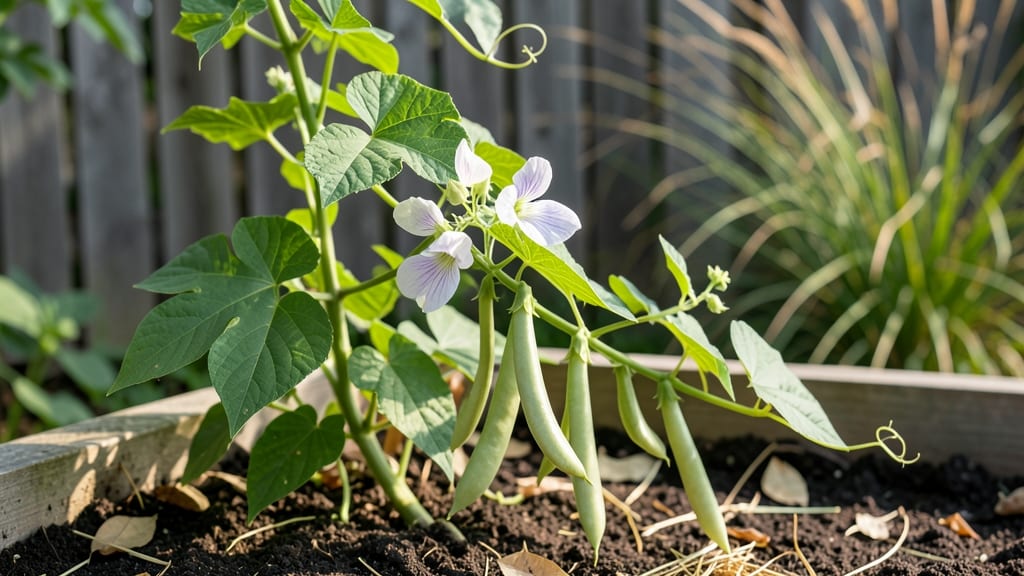
Your icecream bean tree (Inga edulis) could produce pods for a decade if pruned right. ✨ I learned this after my first tree yielded just a handful of beans—until I changed my approach.
The secret lies in year-round pruning that encourages dense growth and heavy fruiting, not just seasonal trimming.
This tropical beauty thrives in zones 10-11 with 60-80°F temperatures and well-draining soil. It needs full sun but tolerates partial shade in hot climates. The key to pruning isn’t just cutting back—it’s shaping the tree to maximize sunlight exposure for the fruit-bearing branches.
I’ve seen trees double their yield just by focusing on the right growth points.
By pruning strategically, you’ll end up with a compact, bushy tree that produces sweet, vanilla-flavored pods year-round. The pods are edible raw or cooked, and the tree even fixes nitrogen in the soil—making it a double win for your garden. Plus, the fragrant flowers attract pollinators, boosting your whole ecosystem.
Whether you’re in a subtropical climate or growing it in a container for colder zones, the same pruning principles apply. The only rule? Never let it get overgrown—consistent, light pruning keeps it productive. Let’s get those branches in shape for a harvest you’ll actually use!
📚 In This Guide
- What you need
- Instructions
- Tips and common mistakes
- Wrapping up and next steps
What you need
- ● Icecream bean tree seeds or saplings: 1-3 (ensure they’re disease-free and suited to your climate).
- ● Well-draining soil: Mix of 60% topsoil, 30% compost, and 10% perlite or sand (pH 6.0-7.0).
- ● Large container or garden plot: Container: 5-gallon pot minimum (12+ inches deep) with drainage holes.
- ● Garden: Full sun (6+ hours/day) and space for roots to spread (10+ feet wide).
- ● Pruning tools: Bypass pruners (sharp, clean, and sterilized).
- ● Loppers (for thicker branches, 1.5–2 inches in diameter).
- ● Hand saw (for stubborn branches, 20-inch blade).
- ○ Pruning sealant: Optional but helpful (e.g., tree wound paint) to prevent disease.
- ● Fertilizer: Balanced organic fertilizer (10-10-10 or 5-5-5) or compost tea.
- ● Mulch: Organic mulch (wood chips or straw) to retain moisture and regulate soil temp.
- ● Support structure: Trellis or stakes for young trees to encourage upward growth.
- ● Soil tester kit: To monitor pH and nutrient levels.
- ● Gloves and long sleeves: For protection while pruning (thorns can be sharp!).
- ● Drip irrigation system: For consistent watering (especially in dry climates).
- ● Bird netting: To protect pods from pests like squirrels or birds.
Year-round pruning guide for icecream bean trees
Here's how to keep your tree productive and healthy through every season.
✂️ Step 1: Late Winter Pruning for Airflow and Structure
Start your pruning in late winter, just as new growth begins but before buds swell. This is the best time to remove any dead, diseased, or crossing branches first—icecream beans need good airflow to prevent fungal issues. I always start by removing any branches thinner than a pencil, as they won't produce meaningful yields and compete with stronger growth.
Look for branches growing inward or rubbing against others. These will eventually damage the tree and create weak points. Use sharp, clean pruning shears to make cuts at a 45-degree angle just above a leaf node or outward-facing bud. This encourages new growth to develop in the right direction. If you're unsure which direction is "outward," imagine sunlight coming from all sides—the new growth should face outward to maximize light exposure.
☀️ Step 2: Spring Pruning to Encourage Flowering
Once the tree breaks dormancy and new leaves appear in early spring, it's time to shape the tree for maximum flowering. Icecream bean trees produce their best yields on new wood, so I focus on promoting vigorous, healthy growth. Remove any suckers growing from the base or trunk—these drain energy from the main structure.
Next, thin out any overly dense growth to improve light penetration. Aim to leave 6-8 inches of space between branches. You'll see the tree's natural framework emerge as you remove competing growth. This is also the time to prune back any overly long branches by about one-third—this encourages bushier growth and more flowering sites. Watch for new buds forming at the base of old wood; these will become next year's fruit-bearing branches.
🌿 Step 3: Mid-Summer Maintenance Pruning
During the growing season, particularly in mid-summer, perform light maintenance pruning to keep the tree in check. Remove any branches that are growing too vigorously and shading the lower parts of the tree—icecream beans need good light exposure for fruit production. I also prune out any branches that have already produced fruit, as they won't bear again this season and can become a burden on the tree.
Look for any branches with signs of stress, such as yellowing leaves or stunted growth. These should be pruned back to encourage new, healthier growth. Avoid heavy pruning during this time, as it can stress the tree. Instead, focus on light trimming to maintain shape and airflow. This is also the time to remove any dead or dying pods that haven't produced edible beans—this redirects the tree's energy toward new growth and future harvests.
⏰ Step 4: Light Fall Pruning for Winter Preparation
In late fall, as temperatures begin to drop but before the first frost, perform a light pruning to prepare the tree for winter. Remove any remaining dead, diseased, or weak branches. This helps the tree enter dormancy in a healthier state. I also thin out any overly dense growth to improve airflow, which reduces the risk of fungal diseases over winter.
Focus on cleaning up the tree's canopy to allow sunlight to reach the lower branches. This encourages new growth from the base in the spring. Avoid heavy pruning now—you want the tree to enter dormancy with enough energy reserves. If you notice any branches that are particularly weak or damaged, prune them back to a strong, healthy branch. This will help the tree recover more quickly in the spring and set it up for a productive growing season.
Tips & tricks for year-round icecream bean tree care
Keeping your icecream bean tree thriving through all seasons takes strategy—not just occasional pruning. Here's what I've learned from years of working with these tropical beauties to maximize yield while preventing stress.
Timing is Everything: That late winter pruning window (just before buds swell) is your golden opportunity to establish airflow and structure. I've seen trees with fungal issues because owners pruned too early—wait until you see those first tiny growth signals, not just because it's "winter." For tropical climates, adjust your timing to when daytime temperatures consistently reach 60°F, even if it's technically winter. The key is catching the tree at that delicate transition point between dormancy and growth.
Tool Precision Matters: Never use dull shears—they crush branches instead of making clean cuts. I keep a dedicated pair of bypass pruners sharpened specifically for my icecream bean trees, and I always disinfect them with rubbing alcohol between cuts. This prevents disease transmission between branches. For thicker branches (thicker than a pencil), use a pruning saw with a fine-toothed blade to avoid tearing the bark. The cleaner the cut, the faster the tree can seal itself and heal.
Seasonal Focus Strategy: Each season has a different priority: winter is about cleanup, spring is about flowering, summer is about maintenance, and fall is about preparation. I create a simple checklist for each season and mark it on my calendar. For example, in spring when you're thinning branches to 6-8 inches apart, I mark the branches I remove with colored tape so I can track growth patterns year to year. This helps me identify which branches consistently produce the best yields.
Visual Growth Cues: When pruning in spring, look for these visual signals: healthy buds should be plump and green, not shriveled or brown. New growth should emerge within 2-3 weeks after pruning—if it doesn't, you may have pruned too aggressively. In summer, watch for the tree's natural "shedding" of lower leaves—this is normal as it redirects energy upward. The key is to mimic these natural processes rather than fighting them.
Pro Tips for Icecream Bean Tree
- Keeping your icecream bean tree thriving through all seasons takes strategy—not just occasional pruning.
- Timing is Everything: That late winter pruning window (just before buds swell) is your golden opportunity to establish airflow and structure.
- Tool Precision Matters: Never use dull shears—they crush branches instead of making clean cuts.
Frequently asked questions
Got questions about pruning your icecream bean tree for the best harvest?
Here are some of the most common ones—plus quick, actionable answers to keep your tree thriving year-round!
How often should I prune my icecream bean tree?
Prune your icecream bean tree year-round but focus on key times: light trimming after harvest (to encourage regrowth), heavy pruning in late winter/early spring (before new growth), and light maintenance pruning every 3–4 months to shape and remove deadwood. Over-pruning weakens the tree—aim for no more than 25% of foliage at once.
Can I prune my icecream bean tree in winter?
Yes! Winter (or late fall) is ideal for structural pruning since the tree is dormant. Focus on removing dead, diseased, or crossing branches to improve airflow and shape. Avoid heavy pruning in frost-prone areas—wait until after the last frost to prevent shock. Pro tip: Use sterilized tools to avoid spreading disease!
Will pruning reduce my icecream bean yield?
Not if done right! Strategic pruning actually increases yield by directing energy to productive pods and improving airflow (which reduces pests/disease). Avoid over-pruning—stick to 3–4 main branches and prioritize healthy, outward-facing growth. Think of it like a haircut: less is more for long-term results!
What if my icecream bean tree stops producing pods after pruning?
Don’t panic! Common causes include:
- Pruning too late (after flowering)—wait until after harvest for next year.
- Over-pruning (removing too many leaves)—keep at least 50% foliage.
- Nutrient deficiency—fertilize with balanced NPK (10-10-10) post-prune.
- Pests/disease—inspect leaves for signs and treat early.
Are there alternatives to pruning for smaller spaces?
If space is tight, try these low-maintenance workarounds:
- Container growing—prune aggressively to control size (but still follow seasonal rules).
- Dwarf varieties (like Inga edulis ‘Compacta’)—naturally smaller but still productive.
- Pollination tricks—hand-pollinate flowers with a soft brush if bees are scarce.
- Vertical training—guide vines along trellises to save ground space.
Wrapping up and next steps
The icecream bean tree is a rewarding plant that thrives with the right care—especially when it comes to pruning! 🌿 By mastering year-round trimming, you’ll unlock bountiful harvests of sweet, edible beans while keeping your tree healthy and productive.
Whether you’re a seasoned gardener or just starting, these techniques will help you maximize yield and enjoy fresh, homegrown treats for years to come.
Ready to take the next step? Start small—pick a single branch to practice pruning, then gradually expand your skills. Before you know it, you’ll be harvesting icecream beans like a pro! 🌱🍦