
Planting
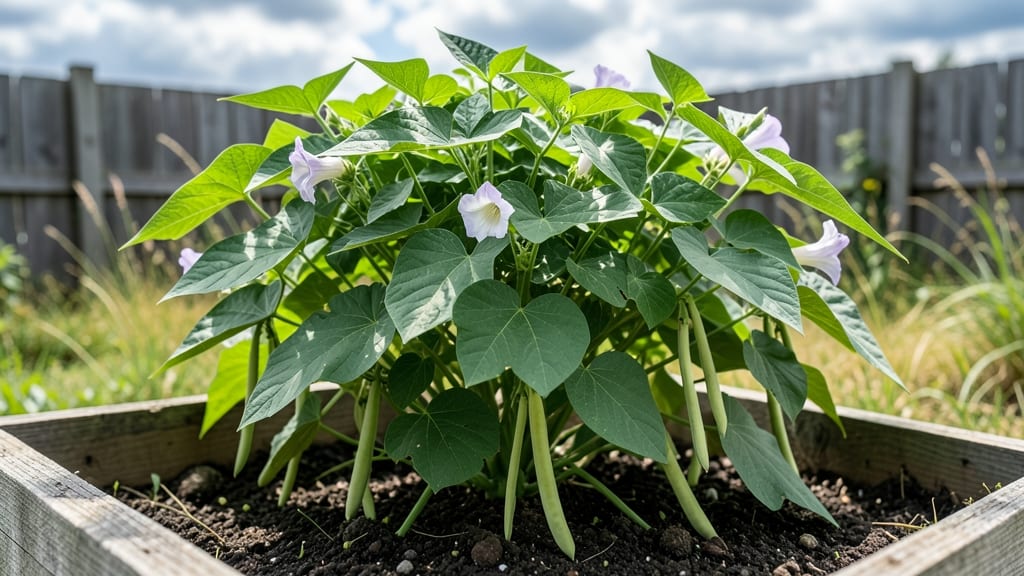
Growing jack beans (Canavalia ensiformis) means fast, lush vines that thrive where other plants fail—drought-resistant and shockingly productive. ✨ I planted mine last spring, and by summer, they were climbing my trellis like a jungle gym, with beans bigger than my thumb. The secret?
They don’t need much—just sun, patience, and soil that drains well. These beans aren’t just hardy; they’re foolproof for beginners. Direct-seed them after the last frost in warm climates (Zone 8+) or start indoors 6-8 weeks early in cooler areas.
Space them 12-18 inches apart—they’ll spread fast, but their roots fix nitrogen, improving your soil for free. Water deeply once a week after establishment, and watch them grow. By mid-summer, you’ll harvest edible beans (yes, they’re delicious!) and stunning, vine-covered ornamentals that hum with pollinators.
The beans themselves are a deep brown, rich in protein, and perfect for soups or drying. Even if you don’t eat them, the vines are a drought-proof garden showstopper. Works in containers too—just give them a sturdy trellis and room to climb. Here’s how to get started without the guesswork!
📚 In This Guide
- What you need
- Instructions
- Tips and common mistakes
- Wrapping up and next steps
What you need
- ● Jack bean seeds: 10–20 seeds (adjust based on desired plant quantity; larger seeds = faster germination).
- ● Well-draining soil: A mix of 60% topsoil, 30% compost, and 10% perlite/sand (for sandy or clay-heavy soils). pH: 6.0–7.5.
- ● Sunlight access: Full sun (6+ hours/day) or partial shade (for hot climates).
- ● Watering can or hose: With a gentle spray nozzle (jack beans dislike soggy roots!).
- ○ Support structures (optional but helpful): Trellis or stakes (4–6 ft tall) for climbing varieties.
- ● Cage or wire mesh (for bushier types).
- ● Garden gloves (to protect hands from seed coatings).
- ● Hand trowel or transplanting spade (for digging holes, ~1–2 inches deep).
- ● Mulch (straw or wood chips) (to retain moisture and suppress weeds).
- ○ Fertilizer (optional but recommended): Balanced 10-10-10 or organic compost tea at planting.
- ● Phosphorus-rich fertilizer (e.g., bone meal) for flowering.
- ● Drought-resistant zone: Jack beans thrive in USDA Zones 8–11 (or containers for cooler climates).
Step-by-step guide to planting jack beans for fast, drought-tolerant growth
Here’s how I get jack beans thriving in just weeks—perfect for hot, dry climates where other plants struggle.
🌱 Step 1: Choose the Right Location and Prepare Soil
Jack beans need full sun—at least 6-8 hours daily—to reach their impressive height and vigor. I always pick the sunniest, most sheltered spot in my garden because these plants grow 6-10 feet tall and can get top-heavy in wind. The soil should drain well but retain moisture, so amending with 2-3 inches of compost before planting gives them a nutrient boost without compacting.
Test the soil’s drainage by digging a 6-inch hole and filling it with water. If it drains within 30 minutes, your soil is ready. If not, mix in sand or perlite to improve aeration. Jack beans hate soggy roots, so this step prevents rot before it starts.
🌱 Step 2: Plant Seeds at the Correct Depth and Spacing
Sow seeds 1-2 inches deep and 4-6 inches apart in rows spaced 2-3 feet apart. The larger the seed, the deeper you can plant—just cover it with soil so it’s twice as deep as its diameter. I like to plant 3-4 seeds per spot and thin later, because jack beans germinate unevenly and I don’t want to miss a sprout.
Water the soil deeply right after planting to settle the seeds and encourage root contact. Use a soaker hose or watering can to avoid disturbing the seeds. Within 7-14 days, you’ll see the first true leaves—don’t be fooled by the initial seed leaves (cotyledons), which look different from the real deal.
☀️ Step 3: Water Deeply but Infrequently
Jack beans are drought-tolerant once established, but young plants need consistent moisture to develop strong roots. Water deeply every 2-3 days until the plants reach 1 foot tall, then taper to once a week unless your area experiences extreme heat. The key is soaking the root zone—about 6 inches deep—rather than light surface watering, which encourages shallow roots.
Check moisture by sticking your finger 2 inches into the soil. If it feels dry, water; if damp, wait. Overwatering here leads to fungal issues, while underwatering stunts growth. Once leaves start drooping in the afternoon, that’s your signal to water—jack beans wilt dramatically but bounce back quickly after a deep drink.
✂️ Step 4: Support and Prune for Strong Growth
By the time jack beans hit 3 feet tall, they’ll need sturdy trellises or cages—I use 8-foot bamboo stakes driven 1 foot into the ground with twine woven between them. This prevents the heavy vines from snapping in storms. Prune any leggy growth that stretches toward the sun but doesn’t produce leaves; redirect that energy into bushier, more productive vines.
Remove any yellow or diseased leaves immediately to prevent spread. Jack beans are generally pest-resistant, but aphids occasionally appear. A strong spray of water usually knocks them off, or I introduce ladybugs for natural control. Harvest pods when they’re firm and plump—usually 10-12 weeks after planting—to encourage more production.
🌿 Step 5: Maintain Through the Season
Fertilize lightly in early spring with a balanced 10-10-10 formula, but skip heavy feeding—jack beans fix nitrogen in the soil, so too much fertilizer can harm their natural processes. Mulch with 2-3 inches of straw or wood chips to retain moisture and suppress weeds, but keep the mulch 6 inches away from the stems to prevent rot.
Watch for powdery mildew in humid climates—this shows as white dust on leaves. Improve airflow by pruning crowded vines and watering in the early morning so foliage dries quickly. With minimal care, jack beans reward you with fast growth, lush foliage, and edible pods—all while thriving in conditions that kill other plants.
Tips & tricks for perfect jack bean planting
Here's what I've learned after years of growing these resilient plants—tricks that'll help you skip the trial-and-error phase.
Sunlight Strategy: Jack beans need that full 6-8 hours of direct sunlight daily, but don't assume every sunny spot works equally. I've found that morning sun paired with afternoon shade (especially in extremely hot climates) actually produces healthier plants. The key is avoiding midday sun when temperatures exceed 90°F—this can scorch young leaves before they develop proper protection. If you're planting in a container, position it where it gets morning sun and afternoon shade.
Seed Planting Secret: The 1-2 inch deep planting depth recommendation is perfect, but here's what nobody tells you—soak your seeds overnight before planting. This jumpstarts germination and gives you those first true leaves in just 7 days instead of the full 14 days range. I also make small indentations with my finger before dropping seeds to ensure proper contact with moist soil, which dramatically improves root establishment.
Watering Wisdom: That 2-3 day watering schedule for young plants is non-negotiable, but timing matters just as much as frequency. Water in the early morning (before 8 AM) to allow foliage to dry completely by evening—this prevents fungal issues that can cripple growth. I've learned the hard way that afternoon watering creates a perfect environment for powdery mildew, even in drought-tolerant jack beans. The 6-inch deep soaking is crucial too—light watering creates weak, shallow roots that can't support the plant's impressive height.
Support System: When your plants hit 3 feet tall, don't wait until they're leaning dangerously to install supports. I install my 8-foot bamboo stakes right when they reach 2 feet—this gives the vines something to climb immediately and prevents the shock of sudden support. Use soft twine or plant ties to attach vines gently, checking weekly to ensure they're not cutting into the stems as the plant grows.
Pro Tips for Jack Bean Plant
- Here's what I've learned after years of growing these resilient plants—tricks that'll help you skip the trial-and-error phase.
- Sunlight Strategy: Jack beans need that full 6-8 hours of direct sunlight daily, but don't assume every sunny spot works equally.
- Seed Planting Secret: The 1-2 inch deep planting depth recommendation is perfect, but here's what nobody tells you—soak your seeds overnight before planting.
Frequently asked questions
Got questions about growing jack beans? You’re not alone! Here are some of the most common concerns—and their answers—to help you cultivate this hardy, drought-resistant plant with confidence.
How long does it take for jack beans to grow from seed to harvest?
Jack beans are fast growers! From seed, they typically sprout within 7–14 days and reach maturity (ready for harvest) in about 100–120 days under ideal conditions. With proper care—like full sun and well-drained soil—they’ll thrive quickly, especially in warm climates.
Can jack beans survive drought once established?
One of their biggest perks is drought tolerance. Once established (after 4–6 weeks), jack beans can handle minimal watering—just 1–2 inches of water per week during dry spells. Mulching helps retain moisture, but they’re built to bounce back even after periods of neglect.
Are jack beans edible, and how do you prepare them?
Yes! While the seeds are the primary edible part, they’re toxic raw and must be soaked for 12+ hours and boiled for at least 2 hours to remove toxins. Once cooked, they’re used in stews, soups, or ground into flour. The leaves are also nutritious and can be cooked like spinach. Always research local guidelines, as some regions restrict their consumption.
What pests or diseases should I watch for with jack beans?
Jack beans are generally pest-resistant, but keep an eye out for aphids, bean beetles, or fungal issues like rust in humid areas. To prevent problems:
- Rotate crops annually to avoid soil-borne diseases.
- Use neem oil for aphids if needed.
- Ensure good airflow to reduce fungal risks.
Can I grow jack beans in containers, or do they need a garden bed?
Jack beans have long vines (up to 10–15 feet), so they’re best suited for large garden beds or trellises. However, if you’re creative, you can grow them in oversized containers (at least 20+ gallons) with a sturdy support structure. Just ensure the pot has drainage and you’re prepared for their sprawling habit!
Wrapping up and next steps
The jack bean plant is a resilient, fast-growing powerhouse for your garden—perfect for drought-prone areas and eco-friendly landscaping! 🌱 With its minimal care needs and impressive growth, it’s an ideal choice for both beginners and seasoned gardeners.
Whether you’re aiming for soil enrichment, wildlife support, or just a stunning green addition, this plant delivers.
Ready to grow your own? Start by gathering your supplies, picking a sunny spot, and planting those seeds—your drought-resistant oasis is just a few weeks away! 🌟 Happy planting!