
Vegetables
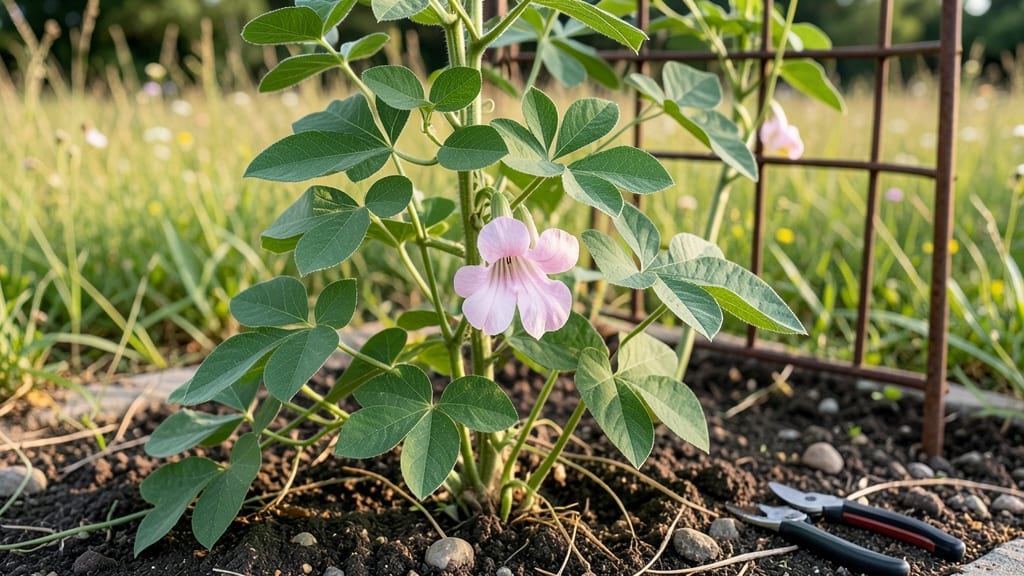
Your jack bean stalk could be climbing a trellis by summer’s end—fast-growing, nitrogen-rich, and stunning to watch. 🌱 I’ve grown these tropical beauties for years, and they’re one of the most rewarding plants for both food and foliage. The key?
Starting early, giving them room to sprawl, and letting them work their magic in the heat. These vines thrive in full sun and well-draining soil, though they’re surprisingly drought-tolerant once established.
Plant seeds 1-2 inches deep after the last frost, and watch them shoot up 6-12 inches per week—no wonder they’re called "90-day wonders." The stalks themselves are sturdy enough for trellises or arbors, while the leaves and pods add a lush, tropical touch to any garden.
By midsummer, you’ll have edible pods (young and tender) and nitrogen-rich mulch from fallen leaves. The stalks can even be used for weaving or as a living fence—talk about multi-purpose! Just be ready for their aggressive growth; they’ll fill space faster than you expect.
Perfect for warm climates (zones 9-11) but can be grown in containers and overwintered indoors. Here’s how to keep them thriving all season long.
📚 In This Guide
- What you need
- Instructions
- Tips and common mistakes
- Wrapping up and next steps
What you need
- ● Jack bean seeds: 10–20 seeds (non-GMO, heirloom varieties like Canavalia ensiformis work best).
- ● Garden soil: Well-draining, slightly acidic to neutral (pH 6.0–7.0). Amend with compost if needed.
- ○ Trellis or sturdy pole: 8–10 feet tall (bamboo, metal, or wooden). Optional: Use a 3-inch PVC pipe for extra support.
- ● Watering can or hose: With a gentle spray nozzle for seedlings.
- ○ Fertilizer (optional but helpful): Balanced 10-10-10 or compost tea to kickstart growth.
- ● Garden trowel or hand shovel: For planting seeds 1–2 inches deep.
- ○ Gloves (optional): To protect hands while handling soil or vines.
- ● Sunny location: At least 6–8 hours of direct sunlight daily.
- ● Mulch (straw or grass clippings): To retain moisture and suppress weeds.
- ○ Pruning shears: For trimming excess growth (optional but useful for maintenance).
- ● Soak seeds overnight: Speeds up germination (place in a damp paper towel).
- ● Test soil moisture: Keep soil consistently damp but not waterlogged—jack beans hate soggy roots! 💦
- ● Plant in warm soil: Wait until nighttime temps stay above 60°F (15°C) for best results.
Step-by-step instructions for growing jack bean stalk
Here's how to transform your garden into a lush, pole-climbing jack bean haven in just three months.
🌱 Step 1: Select and Prepare the Growing Site
Jack beans thrive in warm climates and need a location with full sun exposure (6-8 hours daily) and well-draining soil. Choose a spot where the soil temperature reaches at least 65°F—they won’t germinate in cooler soil. If your garden soil is heavy clay, amend it with 2-3 inches of compost and mix in 1 part perlite to 3 parts soil to improve drainage.
Test the soil pH—jack beans prefer slightly acidic to neutral soil, ideally between 6.0 and 7.0. If your soil is too alkaline, work in sulfur or peat moss to lower the pH gradually. Avoid fresh manure, as it can burn the sensitive roots of young seedlings. Clear the area of weeds and loosen the top 6 inches of soil with a garden fork to create a crumbly, aerated bed.
🪴 Step 2: Plant Seeds at the Right Depth and Spacing
Jack beans have large seeds, so plant them 1-2 inches deep and 6-8 inches apart in rows spaced 3 feet apart. This spacing ensures each plant has room to grow its massive leaves and vines without competing for nutrients. I like to soak the seeds overnight in lukewarm water to soften the tough outer shell—this speeds up germination and makes the seedlings emerge stronger.
Plant 2-3 seeds per hole to account for uneven germination, but thin to the strongest seedling once they sprout. If you’re growing near a trellis or pole, plant seeds 4-6 inches away from the support structure so the vines have room to curl and climb. Water the soil gently after planting to settle it around the seeds, but avoid overwatering—soggy soil can cause the seeds to rot before they sprout.
☀️ Step 3: Provide Support and Encourage Vertical Growth
As soon as the seedlings reach 6-8 inches tall, install a sturdy trellis, fence, or pole for them to climb. Jack beans use tendrils to grip surfaces, so the support should be at least 8 feet tall to accommodate their rapid growth. I use bamboo stakes or a simple wooden frame wrapped with twine—whatever’s sturdy enough to hold the weight of mature vines.
Gently guide the vines toward the support as they grow, but don’t force them. You’ll see the tendrils curl around the structure within a week. Water deeply 2-3 times per week during dry spells, aiming for 1-2 inches of water per week. Mulch around the base with 2-3 inches of straw or wood chips to retain moisture and suppress weeds. Avoid wetting the leaves when watering—this prevents fungal diseases like powdery mildew.
💧 Step 4: Fertilize and Monitor for Pests
Jack beans are nitrogen-fixers, meaning they pull nitrogen from the air and convert it into a usable form for the soil. However, they still benefit from a light feeding. Apply a balanced, organic fertilizer (10-10-10) at half strength when the plants are 4-6 weeks old and again when they start flowering. Avoid over-fertilizing, as this can lead to excessive leaf growth at the expense of pod production.
Watch for common pests like aphids, bean beetles, and spider mites. I’ve found that a strong spray of water can dislodge aphids early on, and introducing ladybugs or lacewings helps control beetles naturally. If you notice yellowing leaves, it could signal overwatering or nitrogen deficiency—adjust your watering schedule or add a bit more compost to the soil.
⏰ Step 5: Harvest and Maintain for Continuous Production
Jack beans are ready to harvest when the pods are firm but still slightly tender, usually 90-120 days after planting. Pick them regularly to encourage more production—mature pods left on the plant will toughen and become stringy. Harvest in the morning when the pods are crispest, and use pruning shears to avoid damaging the vines.
After the first harvest, the plants may continue producing for several weeks. Keep the soil moist but not waterlogged, and prune any dead or diseased leaves immediately. If your climate stays warm, you might even get a second flush of beans. Once the first frost threatens, cut the plants back to the ground, compost the remaining foliage, and mark the spot for next year’s jack bean patch—these plants thrive in the same location year after year.
Tips & tricks for perfect jack bean stalk growth
Growing jack beans to their full pole-climbing potential takes patience—and a few strategic moves. Here’s how to maximize your harvest without common pitfalls.
Soil Temperature Secret: While the instructions specify 65°F as the minimum soil temperature, I’ve found that waiting until soil reaches 70°F or warmer dramatically speeds up germination. Use a soil thermometer to check—cold mornings can drop temperatures below the ideal range. If you’re in doubt, plant a few seeds as a test batch to gauge your soil’s readiness.
Trellis Timing: Don’t wait until the last minute to install your support structure. Once seedlings reach 6-8 inches, they’ll grow aggressively—sometimes even 2 inches per day in warm conditions. I recommend setting up your trellis or pole 3-4 days before the seedlings hit that height. This gives you time to adjust the structure without disturbing the plants as they begin climbing.
Watering Wisdom: The 2-3 times per week guideline works well in moderate climates, but during heatwaves, you might need daily watering to maintain that 1-2 inches per week target. I use a rain gauge to measure rainfall—if you get 1 inch from rain, you can skip one watering day. For container-growing jack beans, check soil moisture daily since pots dry out faster.
Harvesting Hack: When pods reach the 90-120 day window, harvest every 2-3 days to keep production going. I’ve noticed that morning harvests yield the crispest pods—just after dew has evaporated but before the heat of the day sets in. Use sharp pruning shears to snip stems cleanly, which encourages more pods to develop in the same spot.
Pro Tips for Jack Bean Stalk
- Growing jack beans to their full pole-climbing potential takes patience—and a few strategic moves.
- Soil Temperature Secret: While the instructions specify 65°F as the minimum soil temperature, I’ve found that waiting until soil reaches 70°F or warmer dramatically speeds up germination.
- Trellis Timing: Don’t wait until the last minute to install your support structure.
Frequently asked questions
Got questions about growing your own jack bean stalk? You’re not alone! Here are the most common queries—plus quick answers to help you climb toward success.
How long does it take for jack bean stalks to reach harvestable height?
A jack bean stalk can grow incredibly fast—expect 3–6 feet in just 4–6 weeks under ideal conditions (warm soil, full sun, and consistent moisture). With proper trellising, some varieties even hit 15+ feet in 90 days! Monitor growth weekly and harvest pods when they’re firm but still tender (usually 60–80 days after planting).
What’s the best temperature range for jack bean stalk growth?
Jack beans are heat-loving champions! Plant when soil temps hit 60°F+ (15°C+), and they thrive in 75–95°F (24–35°C) ranges. Frost kills them instantly, so wait until after the last frost in your zone. If you’re in a cooler climate, opt for early-maturing varieties or use black plastic mulch to warm the soil faster.
Can I grow jack bean stalks in containers? What size pot do I need?
Jack beans are great for containers if you choose the right setup. Use a 5-gallon+ pot (minimum 12–18 inches deep) with drainage holes and a trellis or sturdy cage for support. Dwarf varieties (like ‘Scarlet Runner’) work best in pots, but expect slightly smaller yields. Place pots in full sun and fertilize lightly every 2–3 weeks with a balanced veggie feed.
What pests or diseases should I watch for with jack bean stalks?
Watch for bean beetles, aphids, and spider mites—they love jack beans! Handpick beetles early or spray with neem oil for mild infestations. Powdery mildew can strike in humid conditions; improve airflow and avoid overhead watering. Root rot is rare but possible in soggy soil—ensure well-draining soil and space plants 12–18 inches apart to prevent crowding.
How do I know when jack bean pods are ready to harvest?
Harvest pods when they’re 3–6 inches long, firm, and slightly plump—this ensures tender, flavorful beans. Wait too long, and they’ll turn woody or split open. Pick in the morning for the best texture, and harvest every 2–3 days to encourage more production. Dried beans (for storage) should be left on the vine until fully brown and crisp.
Wrapping up and next steps
Growing your own jack bean stalk is a rewarding adventure that brings lush greenery, edible pods, and even nitrogen-rich soil to your garden—all in just 90 days! 🌱 Whether you're a beginner or a seasoned gardener, these pole-climbing beans offer a fast, low-maintenance harvest with minimal fuss.
With the right soil, sunlight, and support, you’ll soon be enjoying fresh, homegrown beans straight from your backyard.
Ready to take the next step? Start your seeds indoors now (or plant directly in warm soil) and watch your jack bean stalk transform your garden into a thriving, self-sustaining oasis. Happy planting! 🌿