
Container Gardens
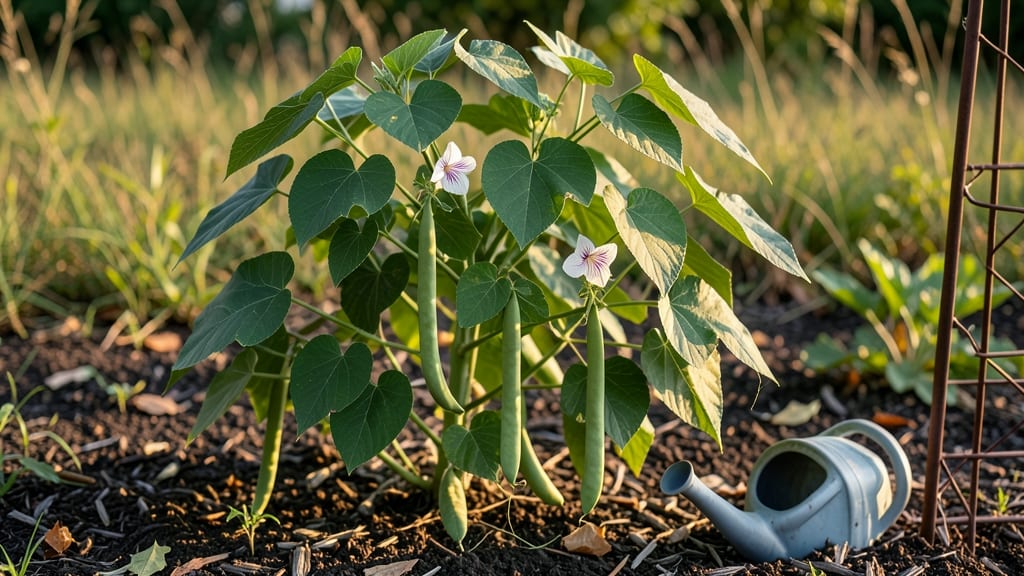
Growing Kentucky Wonder beans means 55-day harvests without trellises or fuss. 🌱 I planted my first batch last spring and ended up with enough beans to share—no fancy supports needed.
The secret lies in how you train the vines and prep the soil, turning a simple garden corner into a productive powerhouse.
You’ll need a sunny spot with rich, well-draining soil and a sturdy fence or sturdy sticks to guide the vines upward. These beans thrive in 5-6 hours of sunlight daily, and a simple 5-gallon bucket of compost mixed into the soil gives them the boost they need.
Water consistently but avoid soggy soil—think damp, not drenched.
By day 30, you’ll see 12-inch vines climbing and flowering, and by day 55, you’ll be harvesting 10-12 inches of pods per plant. The beans taste sweeter when picked young, and the more you harvest, the more the plant produces—it’s like a self-replenishing bounty.
Watch for bean beetles and powdery mildew—both are common but easily prevented with neem oil sprays and proper airflow. If your vines start yellowing, check for overwatering or poor drainage. With these simple steps, you’ll have a garden full of crunchy, flavorful beans in no time.
📚 In This Guide
- What you need
- Instructions
- Tips and common mistakes
- Wrapping up and next steps
What you need
- ● Kentucky Wonder Bean Seeds – 3–5 seeds per plant (or 10–15 seeds for a small container garden). Opt for heirloom, non-GMO seeds for best flavor.
- ● Growing Containers – At least 10–12 inches deep and 12–18 inches wide (5-gallon buckets or fabric grow bags work great). Ensure drainage holes are present!
- ● Well-draining Potting Mix – A 50/50 blend of compost and all-purpose potting soil (or add perlite for extra aeration). Avoid garden soil—it compacts too easily!
- ○ Support Structure (Optional but Helpful) – A 3–4 ft tall bamboo stake or tomato cage per plant to guide vines (even though Kentucky Wonders are "pole-trained," a little support speeds growth!).
- ● Watering Can or Hose with Gentle Nozzle – Beans need 1–1.5 inches of water per week, so consistent moisture is key.
- ● Balanced Fertilizer – A 10-10-10 or 5-10-10 NPK fertilizer (use sparingly—beans fix nitrogen!). Mix 1 tbsp per gallon of water and apply every 3–4 weeks.
- ● Hand Trowel – For planting and soil adjustments.
- ● Pruning Shears – To trim excess foliage or harvest pods neatly.
- ● Garden Gloves – Protects hands from thorns (yes, Kentucky Wonders have them!).
- ○ Row Cover or Shade Cloth (Optional) – If planting early/late in the season, use lightweight fabric to protect seedlings from frost or pests.
- ● Sunlight – 6–8 hours of direct sun daily (partial shade in hot climates can help prevent wilting).
- ● Warm Soil – Wait until soil temps reach 60°F+ (use a soil thermometer if unsure).
- ● Last Frost Date – Plant 2–3 weeks after your area’s last frost (Kentucky Wonders are fast-growing but frost-sensitive!).
Step-by-Step instructions for growing Kentucky Wonder beans pole-trained
Here’s how to coax those legendary beans into climbing without a traditional trellis—my go-to method for lush, high-yielding plants.
🌱 Step 1: Plant Seeds Directly in the Garden After Frost
Wait until soil reaches at least 60°F and all frost risk has passed. Kentucky Wonder beans thrive in full sun (6+ hours daily) and warm soil, so timing matters. Plant 4-5 seeds per spot, spaced 4-6 inches apart in rows 18-24 inches apart. Dig holes 1 inch deep—any deeper delays germination.
Press seeds gently into soil, then cover lightly. Water deeply but avoid soaking the surface—you want the soil moist 1-2 inches down, not soggy. I like to use a soaker hose to keep water off the seeds. Mulch with 2-3 inches of straw afterward to retain moisture and deter weeds.
🌿 Step 2: Train Vines to a Sturdy Support System
Skip the trellis! Instead, drive 3-4 sturdy bamboo stakes or wooden dowels (5-6 feet tall) into the ground 12 inches apart. As vines reach 6-8 inches tall, gently weave them around the stakes in a zigzag pattern. This creates a natural lattice that supports the weight of pods without bending.
Don’t force growth—let vines climb naturally. If a vine struggles to reach the top, tie it loosely with soft twine (not wire, which can damage stems). You’ll see first flowers in 3-4 weeks, signaling the plant is ready for heavy production. Prune any side shoots that form below the main stem to focus energy upward.
💧 Step 3: Water and Fertilize for Maximum Yield
Kentucky Wonders need consistent moisture, especially during flowering and podding. Water at the base weekly, aiming for 1 inch of water per week—more in extreme heat. Let the top 2 inches of soil dry between waterings to prevent root rot, but never let the soil bone-dry.
Side-dress with compost or balanced fertilizer (10-10-10) when vines hit 12 inches tall, then again when flowers appear. I avoid over-fertilizing—too much nitrogen means leafy growth at the expense of pods. Watch for yellowing leaves, which signal either overwatering or nutrient deficiency.
✂️ Step 4: Harvest and Prune for Continuous Production
Pick beans every 2-3 days once pods appear—this encourages more flowers and extends the harvest window. Harvest when pods are 4-6 inches long and crisp, but before seeds bulge. Twist gently to avoid damaging the vine; no need to cut stems.
Prune yellowing or diseased leaves immediately to redirect energy. If vines slow production mid-season, trim oldest pods to coax a second flush of flowers. I’ve harvested pounds of beans per plant using this method, with a final harvest stretching into fall if frost doesn’t strike first.
☀️ Step 5: Extend the Season with Simple Tricks
To delay frost damage, cover plants with frost cloth when nighttime temps dip below 40°F. Remove it by 10 AM to let sunlight stimulate growth. If beans bolt early, reduce water slightly and shade the base with straw mulch—this cools roots and slows flowering.
Save seeds from your best pods for next year! Let 2-3 pods per plant mature fully on the vine, then dry seeds inside for planting. Kentucky Wonders self-seed readily, so you’ll likely find volunteers popping up in spring—just thin them to avoid overcrowding.
Tips & tricks for pole-trained Kentucky Wonder beans
These game-changing strategies will help you maximize your harvest while avoiding common pitfalls that derail even experienced gardeners.
Soil Warmth is Non-Negotiable: The 60°F minimum soil temperature in Step 1 isn't just a suggestion—it's the threshold where Kentucky Wonder seeds actually germinate reliably. I've planted them in cooler soil, and they either rot or take weeks to sprout. Use a soil thermometer for accuracy, especially in spring. If your soil runs cold, consider black plastic mulch laid down a week before planting to warm it faster. The first week after planting is critical for establishing strong roots.
Stake Placement Matters More Than You Think: When driving your 3-4 stakes (5-6 feet tall) in Step 2, space them 12 inches apart from each other, not from the plants. This creates a stable triangle formation that won't wobble when heavy with pods. I learned this the hard way when my first attempt with stakes too close together collapsed under the weight of a bumper crop. Also, pound stakes deep enough they don't lean—aim for at least 18 inches into the ground for maximum stability.
Watering Wisdom for Consistent Yields: The 1 inch per week guideline in Step 3 is perfect, but timing matters just as much as quantity. Water in the early morning so leaves have all day to dry, preventing fungal diseases that thrive in damp foliage. I've found that using a drip irrigation system set to deliver water slowly at the base keeps moisture consistent without wetting leaves. During flowering (around 3-4 weeks after planting), increase to 1.5 inches per week—this is when beans need the most hydration for pod development.
Harvesting Hack for Longer Production: That every 2-3 days harvest window in Step 4 is your secret weapon for extending the season. I've had plants keep producing for three months using this method, while neighbors harvesting less frequently got just a single flush. When you see pods at 4-6 inches, harvest immediately—even if they're not quite at peak crispness. The plants will reward you with more flowers and a second harvest wave within 10-14 days.
Pro Tips for Kentucky Wonder Beans Growing
- These game-changing strategies will help you maximize your harvest while avoiding common pitfalls that derail even experienced gardeners.
- Soil Warmth is Non-Negotiable: The 60°F minimum soil temperature in Step 1 isn't just a suggestion—it's the threshold where Kentucky Wonder seeds actually germinate reliably.
- Stake Placement Matters More Than You Think: When driving your 3-4 stakes (5-6 feet tall) in Step 2, space them 12 inches apart from each other, not from the plants.
Frequently asked questions
Got questions about growing Kentucky Wonder beans?
You’re not alone! Whether you’re a first-time gardener or a seasoned green thumb, these answers will help you cultivate a thriving harvest—without a trellis.
Can Kentucky Wonder beans grow without a trellis?
While they’re pole beans by nature, Kentucky Wonder beans thrive in container gardens or open soil when given proper support alternatives. Use cattle panels, tomato cages, or even sturdy stakes to guide their growth vertically. Without support, they’ll sprawl (taking up more space) but still produce beans—just expect slightly lower yields.
How long does it take for Kentucky Wonder beans to mature?
One of their biggest perks: 55 days to harvest from seed! Plant them after the last frost in warm soil (60°F+), and you’ll see first flowers in 3–4 weeks. With consistent water and sunlight, you’ll harvest tender pods for 6–8 weeks if you keep picking regularly. Pro tip: Harvest every 2–3 days to encourage more production!
How often should I water Kentucky Wonder beans?
Keep soil consistently moist but not soggy—about 1–1.5 inches of water per week, including rainfall. Young plants need daily watering in hot/dry climates, while established vines tolerate slight drought. Avoid wetting leaves to prevent fungal diseases. Mulch around the base to retain moisture and cool roots. Morning watering is best to reduce evaporation.
What pests or diseases should I watch for?
Common threats include bean beetles, aphids, and Japanese beetles, which chew leaves and pods. Handpick pests early or use neem oil for organic control. Watch for powdery mildew (white dust on leaves) if humidity is high—improve airflow and avoid overhead watering. Rotate crops yearly to prevent soil-borne diseases like rust or blight.
Can I grow Kentucky Wonder beans in containers?
Yes! They’re perfect for containers (5+ gallon pots or deeper). Use a well-draining potting mix with compost, and place pots in full sun (6+ hours daily). Add a small trellis or cage to save space. Just ensure containers have drainage holes—root rot is a risk in soggy soil. Dwarf varieties like ‘Kentucky Blue’ work well for small spaces!
Wrapping up and next steps
Growing Kentucky Wonder beans is a rewarding journey that delivers fast, flavorful harvests with minimal fuss—even in containers! 🌱 Whether you’re a beginner or a seasoned gardener, these pole-trained beauties prove that abundance doesn’t require a sprawling yard.
With just a few supplies, consistent care, and a little patience, you’ll soon be enjoying homegrown beans straight from your balcony or patio.
Ready to eat the rainbow of your labor? Start by saving seeds from your best pods or order fresh ones today—then let your green thumb shine! Happy planting! 🌟