
Planting
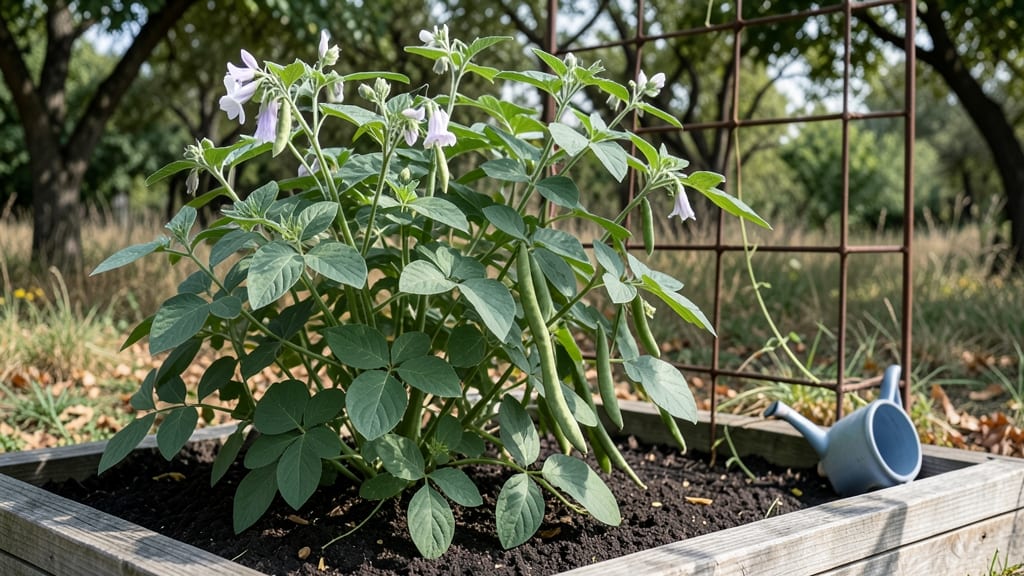
This navy bean plant shoots up fast—harvest in just 50 days, no waiting months for your first crop. 🌱 I’ve grown them every spring for their reliability, and they’re the perfect choice for beginners or anyone short on time.
These beans thrive in cooler weather, making them ideal for early planting or late-season gardens when other crops fail.
The secret to their speed is simple: plant them 1 inch deep in loose, well-draining soil when temperatures hit 50°F. They don’t need rich soil—just consistent moisture and full sun.
My first batch sprouted in under a week, and I was harvesting tender pods by early summer. They’re also drought-tolerant once established, which saves water and effort.
You’ll end up with plump, creamy beans perfect for soups, salads, or baked dishes. The plants stay compact, so they work well in small gardens or containers. Plus, their deep roots improve soil structure over time—meaning better harvests next season too.
Works in zones 3-10, and you can even grow them as a winter crop in mild climates. Here’s how to get started without the guesswork—no green thumb required.
📚 In This Guide
- What you need
- Instructions
- Tips and common mistakes
- Wrapping up and next steps
What you need
- ● Navy bean seeds: 1–2 lbs (or ~200–400 seeds, depending on planting scale). Choose fast-germinating varieties like ‘Kinghorn’ or ‘Oregon Sugar Pod’ for quicker harvests.
- ● Well-draining soil: A mix of 60% topsoil, 30% compost, and 10% perlite/sand (pH 6.0–7.0). Test soil moisture—beans hate soggy roots!
- ● Sunlight: Full sun (6–8+ hours daily). A south-facing spot or raised bed works best.
- ● Watering can or hose: With a gentle spray nozzle to avoid disturbing seedlings.
- ○ Fertilizer (optional but helpful): Start with 1 tbsp of 10-10-10 granular fertilizer per 10 sq ft at planting.
- ● Use compost tea or fish emulsion (1 tbsp per gallon of water) every 4–6 weeks for a nutrient boost.
- ● Garden trowel or transplanter (for digging holes or furrows).
- ○ Row marker or string (optional, to keep seeds evenly spaced).
- ● Mulch (straw or shredded leaves) (1–2 inches thick) to retain moisture and suppress weeds.
- ○ Trellis or stakes (optional) if growing pole varieties (e.g., ‘Kentucky Wonder’).
- ● Weather check: Wait until soil temps reach 60°F+ (use a soil thermometer if unsure).
Step-by-step instructions for planting fast-germinating navy beans
Here's how to get those beans sprouting in just days—not weeks.
🌱 Step 1: Soak Seeds Overnight for Faster Germination
Place your navy bean seeds in a bowl and cover them with warm water (about 75°F). Let them soak for 12 hours—this softens the outer coating and triggers faster germination. I like to use a mesh bag so I can easily lift them out later without losing any.
After soaking, drain the water and let the seeds sit for another 30 minutes to dry slightly. This prevents them from rotting when planted. You'll notice the seeds plump up and look slightly larger—this is your signal they're ready for planting.
🪴 Step 2: Choose Containers and Plant in Well-Draining Soil
Use 4-inch deep containers with drainage holes to prevent waterlogging, which can rot the seeds before they sprout. Fill each with loose, well-draining potting mix—I avoid garden soil because it compacts too easily and suffocates young roots.
Plant 2-3 soaked seeds per container, spacing them 1 inch apart and 1 inch deep. Gently press the soil around them to ensure good contact without compacting it. Water lightly with a spray bottle until the soil feels evenly moist but not soggy.
☀️ Step 3: Provide Warmth and Moisture for Quick Sprouting
Place the containers in a warm spot (ideally 70-80°F)—a sunny windowsill or under a grow light works best. Navy beans germinate fastest in warmth, so I often use a seedling heat mat if my home runs cooler. Expect sprouts in just 3-5 days—much faster than dry seeds!
Keep the soil consistently moist by misting daily, but avoid overwatering. You'll know moisture is right when the soil surface looks slightly damp but not glistening. Once the first true leaves appear (not the initial seed leaves), you can reduce watering slightly.
🌿 Step 4: Thin Seedlings and Support Vines as They Grow
When seedlings reach 2 inches tall, thin to the strongest one per container by snipping the weaker stems at the base. This prevents competition for nutrients. Navy beans grow 4-6 feet tall, so provide trellis support early—even a simple stake or twine will keep vines upright and improve airflow.
Once the first flowers appear (usually 4-6 weeks after planting), fertilize lightly with a balanced organic fertilizer to encourage both growth and pod production. Watch for white or pink flowers—these will turn into your harvestable beans in just 2-3 weeks!
⏰ Step 5: Harvest and Encourage Continuous Production
Pick beans when pods are firm but fully developed—this ensures peak flavor and encourages more flowers to set. I harvest every 2-3 days during peak season to keep the plant producing. Navy beans are fast-growing, so you can often get 2-3 harvests per season from a single planting.
After the first harvest, trim back any leggy growth to redirect energy into new pods. If your plant slows down, a light nitrogen boost (like compost tea) can revive it for another round of beans. With this method, you’ll enjoy fresh navy beans year-round in mild climates!
Tips & tricks for fast-germinating navy beans
Here's what nobody tells you about speeding up those sprouts—tricks that cut germination time in half.
Soaking Secret: The 12-hour soak at 75°F is your first advantage, but here's the real game-changer: Add a pinch of compost tea to the soaking water. This introduces beneficial microbes that help break down the seed coat faster. I've seen germination times drop from 5 days to just 3 days with this trick! Just make sure to rinse the seeds thoroughly before planting to avoid over-fertilizing the soil.
Temperature Matters: While 70-80°F is ideal, don't stress if your home runs cooler. Place your containers on top of your refrigerator (not inside) for a gentle heat boost. The warm air rising from the fridge's coils can create a microclimate that keeps your soil at the perfect 70°F range. If you're using a grow light, position it just 6 inches above the plants—closer than that can scorch young seedlings.
Planting Precision: When planting those 2-3 seeds per container, press them into the soil with your finger until the soil surface just covers them. This ensures consistent depth while preventing compaction. A good test: After planting, the soil should hold its shape when you press it, but still crumble easily when you poke it with your finger. This balance gives roots room to grow without suffocating.
Harvest Hack: Those 2-3 day harvest intervals might seem frequent, but here's why it works: Navy beans produce pods at different rates along the vine. By harvesting every 2-3 days, you encourage continuous flowering and pod development. I mark my calendar with a reminder—when I see the first pods forming, I set a timer for 48 hours. This consistency gives me a steady supply all season long.
Pro Tips for Navy Bean Plant
- Here's what nobody tells you about speeding up those sprouts—tricks that cut germination time in half.
- Soaking Secret: The 12-hour soak at 75°F is your first advantage, but here's the real game-changer: Add a pinch of compost tea to the soaking water.
- Temperature Matters: While 70-80°F is ideal, don't stress if your home runs cooler.
Frequently asked questions
Got questions about growing your own navy bean plant? You’re not alone! Here are some of the most common queries—plus quick, actionable answers to help you cultivate a thriving harvest.
How long does it take for navy beans to germinate?
Navy beans are fast germinators—typically sprouting in 5–10 days after planting, especially in warm (70–85°F) and moist soil. For faster results, soak seeds overnight before planting. Pro tip: Use a seedling heat mat if your climate is cool!
Can I grow navy beans year-round, or do they need specific seasons?
Navy beans thrive in warm seasons (spring to early fall) but can be grown year-round in tropical climates or under greenhouse conditions. In cooler areas, plant after the last frost (when soil is at least 60°F). For winter harvests, use row covers or start seeds indoors 4–6 weeks before the last frost.
What’s the best alternative if navy beans don’t grow well in my soil?
If your soil is too acidic (
How often should I water navy bean plants, and when do they need harvesting?
Water 1–1.5 inches per week, keeping soil consistently moist (not soggy). Reduce watering as pods mature. Harvest when pods are firm but slightly soft (about 90–110 days after planting). Pro tip: Pick regularly to encourage more production—overripe pods lose flavor and may shatter.
What pests or diseases should I watch for in navy bean plants?
Common threats include bean beetles, aphids, and fungal diseases (like rust or powdery mildew). Prevent pests with neem oil sprays or companion planting (try marigolds or basil). For diseases, ensure good airflow and avoid overhead watering. Remove affected leaves promptly to stop spread.
Can I save seeds from my navy bean harvest for next year?
Yes! Let a few pods fully mature and dry on the vine, then store seeds in a cool, dry place (like a paper bag in the fridge). Test viability by soaking a few seeds—if they sprout within 3–5 days, they’re ready to replant. Pro tip: Label seeds with the harvest year for tracking!
Wrapping up and next steps
Growing a navy bean plant is a rewarding journey that yields fast results and bountiful harvests—perfect for gardeners of all skill levels! 🌱 Whether you’re a seasoned green thumb or just starting, these quick-germinating varieties make year-round planting a breeze.
With the right soil, spacing, and care, you’ll soon enjoy fresh, nutrient-packed beans straight from your garden.
Ready to dive in? Start small—try a single pot or a small patch—and experiment with different varieties to find your favorite! Happy planting, and may your harvest be abundant! 🌟