
Vegetables
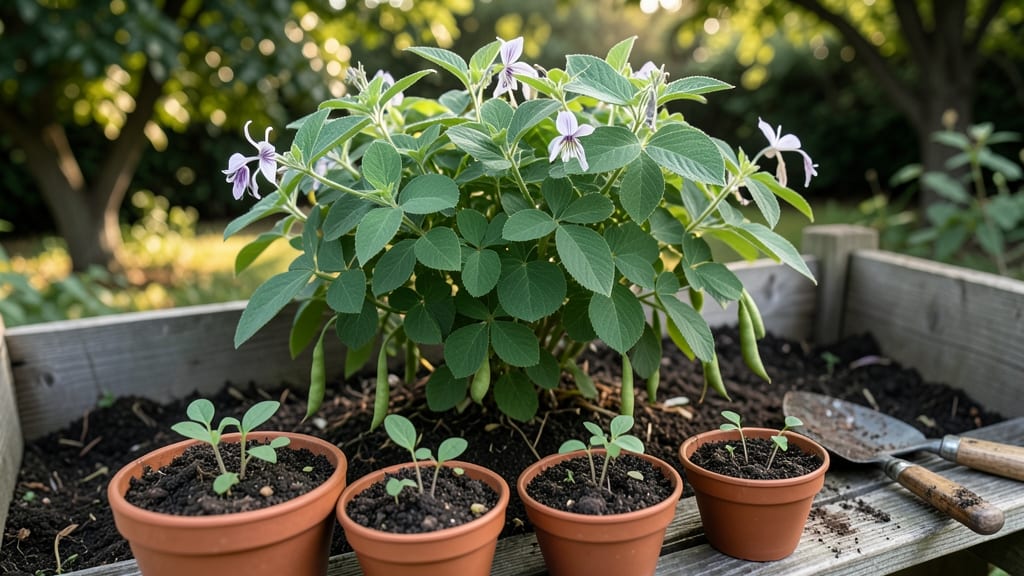
Planting adzuki beans guarantees fast germination—you'll see sprouts within 5-7 days if you nail the soil and timing. 🌱 I learned the hard way that rushing these beans leads to weak plants, but once I mastered their quirks, they became my go-to for reliable harvests.
The secret? Warm soil, patience, and a spot where they won't get crowded out.
Start with well-draining soil that’s at least 60°F, and mix in compost to give them the nitrogen boost they crave. These beans hate soggy roots, so raised beds or mounds work best in heavy clay.
Plant 1 inch deep, with seeds spaced 4-6 inches apart—they’ll bush out fast, so don’t skimp on room. Direct sow after the last frost when nighttime temps stay above 55°F.
Within weeks, you’ll have lush vines climbing or sprawling, and pods forming by midsummer. The key to success? Consistent moisture—1 inch per week—and a light mulch to keep roots cool.
Adzuki beans fix their own nitrogen, so they’re great for soil health, but they’ll reward you with sweet, earthy harvests if you give them the right start.
Troubleshoot slow germination by checking soil temp—too cool, and they’ll stall. Crowded plants? Thin them early to avoid disease. Pair them with corn or cucumbers for shade, and follow with leafy greens next year—they’ll love the nitrogen-rich soil left behind. Ready to grow your own?
📚 In This Guide
- What you need
- Instructions
- Tips and common mistakes
- Wrapping up and next steps
What you need
- ● Adzuki bean seeds: 1–2 lbs (or ~500–1,000 seeds), certified organic or heirloom varieties (e.g., 'Kuroda' or 'Takara').
- ● Growing space: For direct sowing: Full-sun location (6+ hours/day) with well-draining soil (pH 6.0–7.0).
- ● For containers: 12–18" deep pots (1–2 plants per 5-gallon container).
- ● Soil amendments: Compost (2–3 cups per planting hole or square foot).
- ● Balanced fertilizer (5-5-5 or 10-10-10, 1 tbsp per plant at planting).
- ● Watering tools: Hose with adjustable nozzle or watering can (1–2 gallons capacity).
- ○ Drip irrigation kit (optional but ideal for consistent moisture).
- ● Planting aids: Garden trowel or hand shovel.
- ● Measuring tape or ruler (for spacing).
- ● Mulch: Straw or shredded leaves (1–2 inches) to retain moisture and suppress weeds.
- ● Trellis or stakes: For bush varieties (e.g., 'Kuroda') to support vines if needed.
- ● Row covers: Lightweight fabric to protect seedlings from pests or frost.
- ● pH test kit: To verify soil acidity before planting.
- ● Seedling heat mat: For early indoor starts in cooler climates.
Step-by-step instructions for planting adzuki beans
Here's how to grow these quick-sprouting legumes with minimal fuss—perfect for beginners.
🌱 Step 1: Choose the Right Time and Location
Adzuki beans thrive in warm soil—wait until after your last frost date when soil reaches at least 65°F. They grow best in full sun (6+ hours daily) but tolerate partial shade in hot climates. I always plant mine in late spring for summer harvests, as they mature in just 70-80 days.
Pick a spot with well-draining soil—these beans hate soggy roots. If your soil is heavy clay, mix in 2-3 inches of compost before planting. A slightly raised bed helps prevent waterlogging, especially in rainy seasons. Test your soil pH too; adzukis prefer 6.0-7.0.
🌱 Step 2: Soak Seeds for Faster Germination
Here's the thing—adzuki beans germinate fastest when soaked overnight. Place 4-6 seeds per hill (or 1 inch apart in rows) in a bowl of lukewarm water for 8-12 hours. You'll see them swell noticeably—this softens the tough seed coat and speeds up sprouting by 2-3 days.
After soaking, drain the seeds well and plant them 1 inch deep in the soil. Space hills 18 inches apart for bush varieties or 24 inches apart for pole types. If you forget to soak, don't worry—they'll still sprout, just slower. I always plant extra seeds just in case.
☀️ Step 3: Water Gently and Maintain Moisture
Water the soil deeply right after planting to help seeds settle. Keep the soil consistently moist (not soggy) until germination—5-10 days max. Once sprouts appear, water 1 inch per week, focusing on the base of plants. Adzukis are drought-tolerant once established, but young plants need steady moisture.
Use a soaker hose or drip irrigation to avoid wetting leaves, which prevents fungal diseases. You'll know moisture is right when the top 1-2 inches of soil feel damp but not wet. Mulch with 2 inches of straw after germination to retain moisture and suppress weeds—this saves me hours of weeding later.
✂️ Step 4: Thin and Support for Maximum Yield
When seedlings reach 3-4 inches tall, thin to 2-3 strongest plants per hill. Snip weaker ones at the base with scissors—this prevents root disturbance. Bush varieties don't need trellises, but pole types will need 5-foot tall stakes or a strong trellis by 4-6 weeks. I tie vines loosely with soft twine to avoid damaging stems.
Watch for yellowing lower leaves—this is normal as plants mature. Remove any brown or spotted leaves immediately to prevent disease spread. If flowers appear but no pods form, your plants may need more phosphorus—side-dress with bone meal or compost tea at this stage.
🌿 Step 5: Harvest at Peak Sweetness
Adzuki beans are ready to harvest when pods turn fully brown and dry—usually 70-80 days after planting. Check plants every 2-3 days during peak season. Pick pods when they're firm but not hard, and the seeds rattle inside. You'll see pods curl slightly at the edges when fully mature.
Harvest in the morning after dew dries for best flavor. Dry pods in a well-ventilated, shady spot for 1-2 weeks before shelling. For fresh eating, harvest pods when still green and tender—these make great stir-fry ingredients. Store dried beans in airtight containers for up to 1 year.
Tips & tricks for growing adzuki beans like a pro
These little-known tricks will help you grow adzuki beans faster and more reliably than you ever thought possible.
Soaking Secret: That 8-12 hour soak isn't just helpful—it's essential for breaking down the tough seed coat. I've found that using a bowl of lukewarm water (not hot!) with a pinch of sugar or molasses can speed up germination by another day. The sugar provides a tiny energy boost to the seeds. Just make sure to rinse them thoroughly before planting.
Planting Depth Matters: When planting those soaked seeds 1 inch deep, resist the urge to bury them deeper for "extra protection." Deeper planting can delay germination and make seedlings struggle to reach the surface. Instead, create a small dimple with your finger and place seeds gently inside—this ensures they get just enough light to sprout quickly.
Germination Check: After planting, don't be tempted to water daily until you see sprouts. The soil needs to stay consistently moist but not soggy during those critical 5-10 days of germination. I use a spray bottle to mist the soil lightly every other day, checking with my finger—top 2 inches should feel like a wrung-out sponge. Overwatering at this stage can actually suffocate the seeds.
Harvest Timing: Those 70-80 days to maturity can feel like forever, but here's how to know you're ready: Tap a pod—if it rattles like a maraca, it's time to harvest. For fresh eating, look for pods that are still green but starting to firm up. The key is consistency—check plants every 2-3 days during peak season to avoid missing the window between tender and overmature pods.
Pro Tips for Planting Adzuki Beans
- These little-known tricks will help you grow adzuki beans faster and more reliably than you ever thought possible.
- Soaking Secret: That 8-12 hour soak isn't just helpful—it's essential for breaking down the tough seed coat.
- Planting Depth Matters: When planting those soaked seeds 1 inch deep, resist the urge to bury them deeper for "extra protection."
Frequently asked questions
Got questions about growing adzuki beans? You’re not alone—these fast-growing legumes are easy but still come with a few curveballs. Here’s what you need to know before digging in!
When is the best time to plant adzuki beans?
Adzuki beans thrive in warm soil (at least 60°F/15°C). Plant them after the last frost in spring or 60–90 days before your first fall frost for a second harvest. In hot climates, they can even grow year-round with consistent moisture. Pro tip: Use a soil thermometer to check—cold soil slows germination!
How long does it take for adzuki beans to sprout?
Adzuki beans are fast germinators—expect sprouts in 5–10 days if soil temps are ideal (65–85°F/18–29°C). Slower germination? Check moisture (keep soil damp but not soggy) and avoid overcrowding seeds. Thin seedlings to 4–6 inches apart once they’re 2–3 inches tall for better airflow.
Can I grow adzuki beans in containers or small spaces?
Adzuki beans are compact plants (18–24 inches tall) and perfect for containers, raised beds, or even hanging baskets. Use a 5-gallon pot per plant with drainage holes. Just ensure they get 6+ hours of sun daily and support (like a trellis) if pods get heavy—though they’re bushy enough to stand alone.
Why aren’t my adzuki beans flowering or producing pods?
Common culprits:
- Insufficient sunlight: Move plants to a sunnier spot (they need full sun!).
- Poor soil nutrients: Add compost or a balanced fertilizer (low in nitrogen) at planting.
- Overwatering: Let soil dry slightly between waterings—root rot can kill plants.
- Pests: Check for aphids or bean beetles; use neem oil or row covers if needed.
If flowers appear but drop off, it’s often due to stress—adjust care and give them time!
Are adzuki beans drought-tolerant once established?
While they prefer consistent moisture, adzuki beans are more drought-tolerant than many legumes once roots are deep (after 3–4 weeks). Mulch heavily to retain soil moisture, but avoid waterlogging. During dry spells, water deeply once a week rather than daily shallow watering. Drought stress can reduce pod production, so prioritize hydration during flowering!
Wrapping up and next steps
Planting adzuki beans is a rewarding journey that yields nutrient-rich, fast-growing legumes perfect for both home gardens and culinary adventures! 🌱 Whether you're a beginner or seasoned gardener, their resilience and versatility make them an ideal choice for reliable harvests.
Start small—grab those seeds, prep your soil, and watch your garden transform into a thriving adzuki patch.
Ready to take the next step? Try planting a few rows this season and experiment with different varieties. Track your progress, share your harvest with friends, or even preserve your beans for future meals. Happy growing—your kitchen (and taste buds) will thank you! 🌟