
Planting
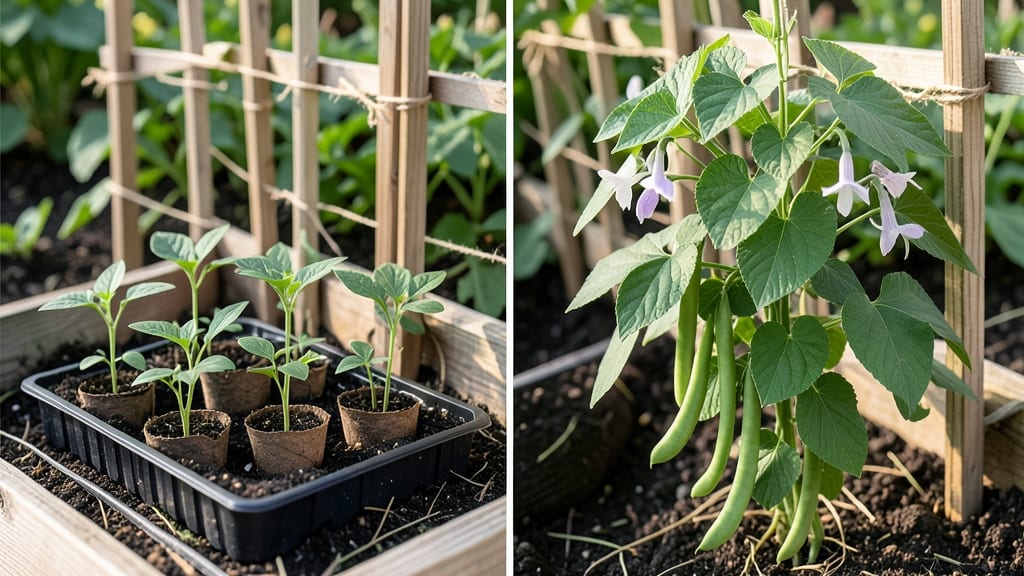
Kentucky Wonder beans climb faster than weeds and produce more green beans than you can eat. 🌱 I learned the hard way that proper planting makes all the difference—these beans need strong starts to support their rapid growth and heavy harvests. The secret begins with warm soil and sturdy supports.
Plant seeds 1 inch deep and 4-6 inches apart after the last frost when soil reaches 60°F, using a trellis or poles for their vigorous vines. They thrive in full sun and rich, well-draining soil with plenty of compost mixed in.
By mid-summer, you'll be snapping beans daily from plants that reach 8-10 feet tall. Consistent moisture keeps them productive, and proper spacing prevents disease. The best part? These beans taste freshest picked young, so harvest often.
Avoid common mistakes like planting too early (they won't germinate in cold soil) or crowding (which spreads disease). Try planting with radishes or lettuce—they mature quickly and don't compete for space. Here's how to get started right!
📚 In This Guide
- What you need
- Instructions
- Tips and common mistakes
- Wrapping up and next steps
What you need
- ● Kentucky Wonder Bean Seeds: 1–2 lbs (or ~500–1,000 seeds) for a full harvest. Choose heirloom, non-GMO seeds for best flavor.
- ● Pole Beans: 3–5 ft tall, sturdy poles (bamboo, wooden stakes, or metal trellises). Space them 18–24 inches apart.
- ● Well-draining soil: Rich in organic matter (compost or aged manure). Test pH: ideal range 6.0–6.8.
- ● Organic fertilizer: Balanced 10-10-10 or compost tea at planting time.
- ● Garden trowel or transplanting spade
- ● Watering can or hose with a gentle spray nozzle
- ● Garden twine or zip ties (to secure vines to poles)
- ○ Optional but helpful: Mulch (straw or grass clippings) to retain moisture
- ● Row cover (for early planting or pest protection)
- ● Pruning shears (for trimming later in the season)
- ● Full sun exposure: 6–8 hours daily
- ● Warm soil temps: Wait until after the last frost (or use row covers for early starts).
- ● Consistent watering: 1–1.5 inches per week (drip irrigation works best).
Step-by-step instructions for planting Kentucky Wonder beans
Here's how I grow these prolific climbers—fast-growing, high-yielding, and perfect for small spaces.
🌱 Step 1: Choose the Right Location and Prepare the Soil
Kentucky Wonder beans thrive in full sun—at least 6-8 hours daily. I pick a spot near a sturdy trellis, fence, or teepee structure because these beans grow 6-10 feet tall and need support. Avoid last year's bean patches to prevent soil-borne diseases.
Work in 2-3 inches of compost to loosen the soil and improve drainage. These beans prefer slightly acidic to neutral soil (pH 6.0-7.0). If your soil is heavy clay, mix in 1 inch of sand to help roots spread. The goal is loose, well-draining soil that warms up quickly in spring—beans hate cold, wet roots.
🪴 Step 2: Plant Seeds at the Right Depth and Spacing
Wait until the soil temperature reaches 60°F—use a soil thermometer if unsure. Plant seeds 1 inch deep and 3-4 inches apart in rows spaced 18-24 inches apart. I like to plant 3-4 seeds per spot and thin later, but if you're patient, you can sow single seeds directly. Press them gently into the soil—don't bury too deeply, or they'll struggle to emerge.
Water gently after planting to settle the soil around the seeds. Keep the area moist (not soggy) until germination, which takes 7-14 days depending on soil warmth. You'll see the first true leaves appear as two small, rounded leaves—this is your signal that the seeds have successfully sprouted.
☀️ Step 3: Provide Support and Water Consistently
As soon as seedlings reach 4-6 inches tall, install your trellis or teepee structure. I use bamboo stakes tied with twine for a simple teepee—just drive stakes 6 feet tall in a circle and weave twine between them. Gently guide the main stems along the support as they grow; the vines will cling naturally once they mature.
Water at the base of the plants 1-2 inches per week, keeping the soil evenly moist but never waterlogged. Kentucky Wonders are drought-tolerant once established, but consistent moisture during flowering and pod development ensures heavy yields. Water in the morning so foliage dries quickly—this prevents fungal diseases like rust that love damp leaves.
✂️ Step 4: Fertilize and Prune for Maximum Yield
When plants are 6-8 inches tall, side-dress with 1 tablespoon of 5-10-10 fertilizer per plant, working it into the top inch of soil. Avoid high-nitrogen fertilizers—they promote leafy growth at the expense of pods. Instead, focus on phosphorus and potassium to boost flowering and fruiting. I also scatter a handful of compost around each plant for slow-release nutrients.
Pinch off the first few flowers that appear to encourage stronger vine growth. Once the main vine reaches the top of the trellis, trim back the tip to redirect energy into pod production. Harvest regularly—picking beans every 2-3 days keeps plants productive and prevents them from going to seed too quickly.
🌿 Step 5: Harvest and Maintain Through the Season
Harvest beans when pods are 4-6 inches long and snap easily when bent. I pick in the morning after the dew has dried—beans taste sweetest and keep best when harvested fresh. Use pruning shears or just pinch them off to avoid damaging the vine. A single plant can produce 10-15 pounds of beans per season if cared for properly.
Continue watering and fertilizing lightly throughout the season. If you notice yellowing leaves, it's often a sign of nitrogen deficiency—add a light application of compost tea or a balanced fertilizer. Keep an eye out for pests like Mexican bean beetles; handpick them early in the day when they're sluggish and drop them into soapy water.
Tips & tricks for perfect Kentucky Wonder bean planting
These simple strategies will help you maximize your harvest with these fast-growing climbers.
Soil Temperature Secret: That 60°F soil temperature isn't just a suggestion—it's the magic number for germination. I test mine with a soil thermometer for a week before planting. If your soil runs cooler, consider using black plastic mulch to warm it up faster. Cold soil delays germination and makes seedlings weak.
Seedling Support Strategy: Don't wait until your seedlings are struggling to install support! Set up your trellis or teepee structure right after planting. I use bamboo stakes tied with twine for a simple teepee—just drive them 6 feet tall in a circle. The vines will naturally cling as they grow, saving you from wrestling with tangled plants later.
Watering Wisdom: Those 1-2 inches per week of water are critical during flowering and pod development. I water at the base in the morning to prevent fungal diseases. A simple trick: use a rain gauge or tuna can to measure your water—it's surprising how much more we often pour than needed. Overwatering leads to root rot just as quickly as underwatering.
Harvest Hack: Pick your beans every 2-3 days when pods are 4-6 inches long—this keeps production going strong. I harvest in the morning after the dew dries, using pruning shears for clean cuts. The key visual: pods should snap easily when bent. If they're tough or fibrous, you've waited too long—they'll turn woody and lose their sweet flavor.
Pro Tips for Planting Kentucky Wonder Beans
- These simple strategies will help you maximize your harvest with these fast-growing climbers.
- Soil Temperature Secret: That 60°F soil temperature isn't just a suggestion—it's the magic number for germination.
- Seedling Support Strategy: Don't wait until your seedlings are struggling to install support!
Frequently asked questions
Got questions about growing Kentucky Wonder beans?
You’re not alone! These speedy climbers are a gardener’s dream, but they do have their quirks. Below, we’ve rounded up the most common questions—plus quick, no-nonsense answers—to help you plant with confidence.
When is the best time to plant Kentucky Wonder beans?
For warm climates, sow seeds directly in the ground 2–3 weeks after the last frost when soil temps hit 60°F (15°C). In cooler zones, start indoors 4–6 weeks before transplanting. Pro tip: These beans hate cold soil—waiting too long can stunt growth.
How deep and far apart should I plant the seeds?
Drop seeds 1 inch deep and space them 3–4 inches apart in rows 18–24 inches apart. Since they’re pole beans, plant them near a sturdy trellis or fence (they’ll climb 10–15 feet!). Bonus: Thin seedlings to the strongest 2–3 per spot to avoid crowding.
What do I do if my Kentucky Wonder beans aren’t climbing?
No climbing? Check for three culprits:
- Lack of support: Install a trellis before planting—beans won’t scramble up after the fact!
- Overcrowding: Thin plants to boost airflow and growth.
- Pests: Spider mites or aphids can weaken vines. Spray with neem oil if you spot them.
If all else fails, hand-tie vines to the trellis with soft twine.
Can I grow Kentucky Wonder beans in containers or small spaces?
Use a 5-gallon container (or deeper) with a trellis or cage for vertical growth. Just ensure it has drainage holes and you’re planting 2–3 seeds per container. Urban gardeners, rejoice: These beans thrive in balconies and patios!
Are Kentucky Wonder beans prone to pests or diseases?
While generally hardy, watch for:
- Bean beetles: Handpick or use row covers early in the season.
- Powdery mildew: Space plants for airflow and avoid overhead watering.
- Fungal issues: Rotate crops yearly and mulch to keep soil healthy.
Prevention tip: Healthy soil = happy plants! Amend with compost before planting.
How long until harvest after planting?
Count on 50–60 days from planting to harvest for tender, stringless pods. Pick frequently: Harvest every 2–3 days to encourage more production. Let pods linger too long, and they’ll turn woody and tough.
Wrapping up and next steps
Growing Kentucky Wonder beans is a rewarding journey that brings fresh, flavorful produce straight to your garden—and your plate! 🌱 With their fast-growing vines and high yields, these beans are perfect for both beginners and seasoned gardeners.
Whether you’re saving money, reducing your carbon footprint, or simply enjoying homegrown goodness, your effort will pay off in delicious, nutrient-packed harvests.
Now that you’re armed with the how-to, it’s time to roll up your sleeves and get planting! Start small, experiment with trellises, and share your progress with fellow gardeners. Happy growing—and may your beans climb high and yield big! 🌿💚