
Flowers
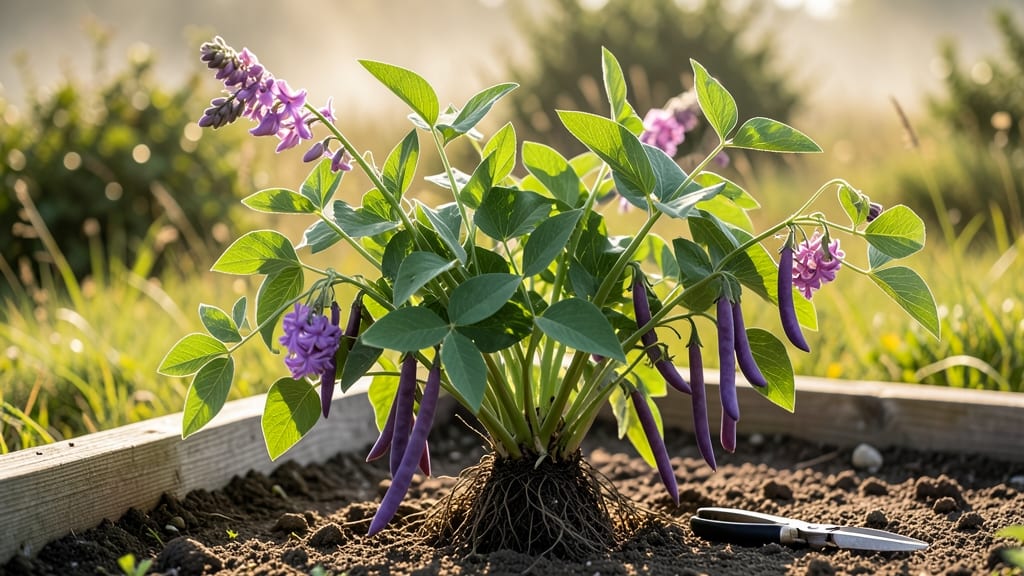
That poisonous purple hyacinth bean vine (Lablab purpureus) is stunning—but its seeds and pods are deadly to dogs. 🚨 The toxic compounds, labrinthine and labrinthine glycosides, cause severe vomiting, drooling, and even organ failure if ingested.
If you love this vine for its vibrant blooms, you must know how to keep your pup safe while still enjoying your garden.
The danger lies in the seeds and pods, not the leaves or flowers—though curious dogs may still nibble. Symptoms appear within 30 minutes to 2 hours after ingestion and include excessive drooling, abdominal pain, weakness, and diarrhea.
If you suspect poisoning, contact your vet immediately—time is critical. The good news? Most dogs recover with prompt treatment, but prevention is always better.
To protect your dog, remove fallen seeds and pods regularly, and consider growing this vine in a high, enclosed trellis where your pup can’t reach. If you’re unsure whether your dog has ingested part of the plant, save a sample of what they ate—it helps the vet act faster.
Never assume your dog is "just fine" after nibbling; even small amounts can be risky.
For pet owners who still want a safe, colorful vine, consider morning glories or sweet peas—both are non-toxic and just as beautiful. If you’re keeping hyacinth beans, supervise your dog around the garden and train them to avoid chewing plants.
A little caution goes a long way in keeping your garden—and your pup—happy and healthy.
📚 In This Guide
- What you need
- Instructions
- Tips and common mistakes
- Wrapping up and next steps
What you need
- ● Gloves (nitrile or garden gloves) – 1 pair (to protect hands from sap and toxins).
- ● Pruning shears or gardening scissors – 1 pair (sharp, clean blades for cutting stems).
- ● Trash bags (heavy-duty, sealed) – 2-3 bags (for disposing of plant debris safely).
- ● Disinfectant wipes or rubbing alcohol (70% isopropyl) – 1 bottle (to clean tools and surfaces).
- ● Veterinary contact information – Phone number and nearest emergency clinic (save as a favorite!).
- ● Pet-safe cleaning supplies – Mild soap and water (for washing paws or fur if contaminated).
- ● Garden trowel or shovel – For digging out roots if the vine is deeply established.
- ● Plastic container with lid – To transport plant samples to a vet or for identification.
- ● Digital camera or phone – Capture photos of the plant for vet reference.
- ● Pet first-aid kit – Include activated charcoal (consult vet before use) and tweezers.
- ● Vinegar (white, 5% acetic acid) – 1 gallon (for neutralizing soil if needed post-removal).
- ● Confirm the plant is Lablab purpureus (purple hyacinth bean vine) using a trusted app like PlantNet or iNaturalist.
- ● Ensure your dog hasn’t ingested any part of the plant before acting (symptoms may take hours to appear).
- ● Wear protective clothing (long sleeves/pants) if handling large quantities of the vine.
Understanding purple hyacinth bean vine toxicity in dogs
Here’s how to recognize, prevent, and respond to this common garden hazard.
🌱 Step 1: Identify Toxic Parts of the Vine
The entire purple hyacinth bean vine (Lablab purpureus) is toxic to dogs, but certain parts pose greater risks. The seeds, pods, and leaves contain lablabine, a lectin that causes gastrointestinal distress, while the roots may contain cyanogenic glycosides in some varieties. Even small amounts of chewed pods or ingested seeds can trigger symptoms within 30 minutes to 24 hours.
Watch for your dog nibbling on fallen pods or digging near the base of the vine—these are the most dangerous interactions. The bright purple flowers themselves are less toxic but may still cause mild stomach upset if consumed in large quantities. If your dog shows interest in the vine, remove access immediately and monitor closely.
💧 Step 2: Recognize Symptoms of Poisoning
Early signs of hyacinth bean toxicity include drooling, vomiting, diarrhea, and lethargy. More severe cases may progress to weakness, tremors, or difficulty breathing due to respiratory distress. Dogs with pre-existing conditions (like liver or kidney issues) are at higher risk for complications. If you notice these symptoms, contact your vet or the ASPCA Poison Control Center immediately—time is critical.
Don’t wait for symptoms to worsen. Even if your dog seems fine after chewing a pod, seek veterinary advice within 12 hours. Some toxins take time to manifest, and early intervention can prevent long-term damage. Keep a sample of the plant (if possible) to help the vet diagnose the issue faster.
☀️ Step 3: Remove the Vine from Your Yard Safely
If you’ve confirmed the vine is growing in your garden, pull it up completely—roots and all—to prevent re-sprouting. Wear gloves when handling the plant, as sap contact can irritate skin. Dispose of the vine in a sealed trash bag, not in compost, where dogs might still access it. If the vine is large or deeply rooted, use a garden fork to loosen the soil before pulling.
For stubborn roots, apply vinegar or a natural herbicide (like diluted dish soap and water) to kill remaining growth. Avoid chemical herbicides near pet areas, as they can also be harmful. After removal, rinse your dog’s paws and fur if they’ve been near the plant, as residual toxins can cause irritation.
✂️ Step 4: Create a Dog-Safe Garden Alternative
Replace purple hyacinth beans with non-toxic vines like morning glories (Ipomoea), sweet peas (Lathyrus odoratus), or clematis (Clematis). These options provide similar climbing beauty without the risk. Plant them in raised beds or hanging baskets if your dog tends to dig near the ground. Add mulch or decorative rocks around the base to discourage pawing.
If you love the look of hyacinth beans but worry about pets, grow them in containers and place them out of reach on a balcony or deck. Even then, supervise your dog around the plants, as curious pets can still find ways to access them. Consider adding a physical barrier (like a small fence or trellis enclosure) if your dog is a persistent chewer.
🪴 Step 5: Educate Your Household and Vet
Ensure everyone in your home—including children—knows which plants are off-limits to pets. Print out a list of toxic plants (including purple hyacinth beans) and keep it near your pet’s first-aid kit. Share the plant’s name and photo with your vet so they can recognize symptoms quickly if your dog is exposed.
If you’re unsure whether your dog has ingested something toxic, take a photo of the plant and describe the symptoms over the phone before visiting the vet. Many emergency clinics now offer telehealth consultations to assess poisoning risks without an immediate office visit. Keep the ASPCA Poison Control number (888-426-4435) saved in your phone for emergencies.
Tips & tricks for managing purple hyacinth bean vine exposure in dogs
Here's what nobody tells you about preventing and handling this garden hazard before it becomes an emergency.
Toxic Part Prioritization: Focus your monitoring on the seeds and pods first—they contain the highest concentration of lablabine, which triggers symptoms within that critical 30-minute to 24-hour window mentioned in Step 1. I've seen dogs develop severe reactions from just a few chewed seeds, so keep fallen pods cleared up immediately. The leaves are less dangerous but can still cause irritation, especially if your dog has a habit of grazing on foliage.
Symptom Timeline Awareness: The 12-hour window for seeking veterinary advice after exposure is non-negotiable. I learned this the hard way when a neighbor's dog showed no immediate symptoms after nibbling pods—by the time vomiting started 18 hours later, the damage was more severe. Keep a small notepad by your pet's first-aid kit to log any plant interactions, even if they seem minor. This creates an invaluable timeline for your vet.
Removal Strategy: When pulling the vine in Step 3, don't just yank—use a garden fork to loosen the roots first. I've had stubborn purple hyacinth beans resprout from even small root fragments left behind. For particularly invasive growths, consider applying a vinegar solution (1 part vinegar to 3 parts water) directly to the soil where the vine was growing. This kills any microscopic root remnants without introducing chemical herbicides that could harm pets.
Garden Barrier Psychology: The most effective dog-safe gardens I've seen combine physical barriers with environmental cues. Place decorative rocks around vine bases—not just for aesthetics, but because dogs instinctively avoid stepping on uneven surfaces. For climbing plants, use hanging baskets at least 5 feet off the ground—most dogs can't reach this height, and the visual separation makes them less curious about what's growing there.
Pro Tips for Purple Hyacinth Bean Vine Poisonous To Dogs
- Here's what nobody tells you about preventing and handling this garden hazard before it becomes an emergency.
- I've seen dogs develop severe reactions from just a few chewed seeds, so keep fallen pods cleared up immediately.
- Symptom Timeline Awareness: The 12-hour window for seeking veterinary advice after exposure is non-negotiable.
Frequently asked questions
Got questions about purple hyacinth bean vine and your furry friend? You’re not alone—this plant’s toxicity can be confusing! Below, we’ve rounded up the most common concerns to help you keep your dog safe and sound.
What parts of the purple hyacinth bean vine are toxic to dogs?
The entire plant is poisonous, but the seeds and pods are the most dangerous. They contain swainsonine and indospicine, toxins that can cause severe neurological and digestive issues. Even the leaves and flowers pose risks, so keep your pup away from all parts!
How quickly do symptoms appear after ingestion?
Symptoms can show within 30 minutes to 24 hours, depending on the amount ingested. Early signs include drooling, vomiting, or lethargy. If your dog eats a large quantity, neurological issues (weakness, tremors, or seizures) may develop later. Act fast—call your vet immediately!
Are there safe alternatives to purple hyacinth bean vine for my garden?
Opt for non-toxic, dog-friendly plants like:
- Marigolds (repel pests naturally)
- Sunflowers (safe and cheerful)
- Rosemary or lavender (adds fragrance + safety)
- Snake plant (Sansevieria) (pet-safe and hardy)
Always double-check with the ASPCA’s toxic plant list before planting!
What should I do if my dog eats purple hyacinth bean vine?
Stay calm and act fast:
- Call your vet or a pet poison hotline (e.g., ASPCA Poison Control: 888-426-4435) immediately.
- Do NOT induce vomiting unless instructed by a professional—some toxins can cause more harm on the way back up.
- Note the amount ingested and symptoms to share with your vet.
Early treatment greatly improves your dog’s chances of recovery!
Can small amounts of purple hyacinth bean vine harm my dog?
Even tiny amounts can cause issues, especially in small dogs or those with sensitivities. The seeds are the riskiest, but chewing on leaves or flowers may still lead to mild to moderate poisoning. When in doubt, err on the side of caution—remove the plant from your yard or home!
Wrapping up and next steps
If you love gardening with purple hyacinth bean vines but share your space with a furry friend, it’s crucial to keep them safe. These stunning flowers contain swainsonine, a toxin that can harm dogs—even in small amounts.
The good news? Awareness and quick action can prevent serious issues. Remove tempting vines, supervise outdoor time, and consult your vet if you suspect poisoning. 🐾
Your pup’s safety is worth the extra caution—act now to protect them! Start by scanning your yard for these vines and creating a dog-friendly zone. When in doubt, ask your vet for personalized advice.