
Propagation
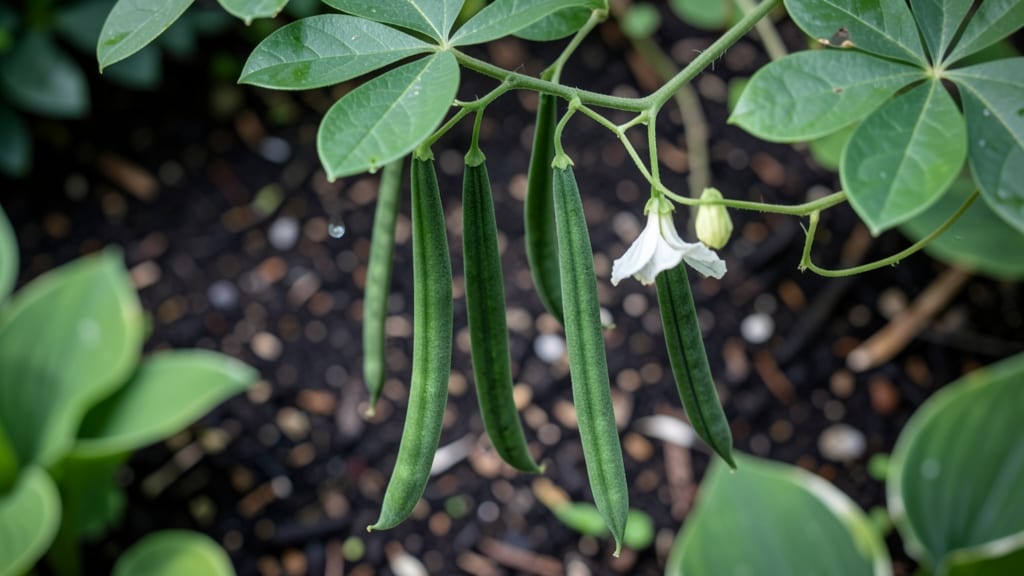
Growing Python snake beans means fast harvests in just 60 days—perfect for small spaces where vines climb instead of sprawl. 🌱 These heirloom beans produce striking purple-black pods that turn green when cooked, and their compact growth habit makes them ideal for balconies or trellises in tight yards.
I planted mine last spring and harvested enough for summer meals within weeks, proving that even limited garden space can yield big results.
The secret to their speed lies in rich, well-draining soil mixed with compost and consistent moisture without soggy roots. Start seeds indoors 4-6 weeks before your last frost or sow directly after soil warms to 60°F, using a sturdy trellis or fence for support.
These beans thrive in full sun (6+ hours daily) but tolerate partial shade better than most varieties, making them versatile for different garden spots.
By mid-summer, you’ll be snipping tender pods straight from the vine—no waiting months like with bush beans. The plants keep producing for weeks, and their striking foliage adds visual interest to any garden corner.
Plus, saving seeds from these heirlooms ensures you’ll always have fresh starts for next season’s fast-growing harvest.
For best results, mulch around the base to retain moisture and deter weeds, and harvest pods every 2-3 days to encourage more production. Even in small containers, these beans deliver big rewards with minimal fuss—ideal for urban gardeners or anyone craving quick, satisfying harvests.
📚 In This Guide
- What you need
- Instructions
- Tips and common mistakes
- Wrapping up and next steps
What you need
- ● Python snake bean seeds – 10-20 seeds (organic, non-GMO preferred for best results)
- ● Biodegradable seed-starting pots – 6-8 small pots (3-4 inches in diameter)
- ● Potting mix – 5 lbs of well-draining, organic seed-starting mix (or coconut coir for sustainability)
- ● Garden soil or compost – 10 lbs (for transplanting, enriched with compost)
- ● Watering can or spray bottle – For gentle hydration (avoid overwatering!)
- ● Fertilizer – Balanced organic fertilizer (5-5-5 NPK ratio) or compost tea
- ● Trellis or stakes – 4-6 lightweight bamboo stakes or a small trellis (3-4 feet tall)
- ● Twine or plant ties – 10-15 feet (for securing vines)
- ● Grow lights – If starting indoors (LED or fluorescent, 12-16 hours/day)
- ● Mulch – Straw or shredded leaves to retain moisture
- ● Pruning shears – For trimming excess foliage
- ● pH testing kit – To ensure soil pH is 6.0-7.0 (ideal for beans)
- ● Drip irrigation system – For consistent watering in small spaces
How to grow Python snake beans in small spaces
These vigorous climbers deliver quick harvests in tight quarters—here's how to coax their speedy growth.
🌱 Step 1: Choose the Right Growing Location and Support
Python snake beans thrive in full sun (6-8 hours daily) and need sturdy vertical support to channel their energy upward. I install a 5-foot trellis or sturdy bamboo tower near a south-facing wall or fence—this maximizes sunlight exposure while keeping the vines contained. The key is positioning the support within 1 foot of the planting site so the beans can immediately begin climbing rather than sprawling.
If you're working with limited space, opt for a cage or teepee structure made from 3-4 stakes tied at the top with twine. The vines will twine naturally, creating an attractive vertical display. Avoid flimsy supports—these beans can reach 10+ feet in ideal conditions, and weak structures will collapse under their weight.
🌿 Step 2: Prepare Soil and Plant Seeds at Proper Depth
These beans prefer well-draining soil with a pH between 6.0-6.8. Work in 2-3 inches of compost before planting to provide organic matter and improve fertility. I like to mix in a handful of aged manure or worm castings for an extra nutrient boost—this ensures the vines have energy to grow both roots and pods quickly.
Plant seeds 1 inch deep and 4-6 inches apart in rows spaced 18-24 inches apart. The beans germinate best in soil temperatures above 65°F, so wait until after your last frost date or use a seedling heat mat if starting early. You'll see sprouts in 7-14 days—patience here pays off as faster germination means earlier harvests.
☀️ Step 3: Water and Fertilize for Rapid Vine Development
Keep the soil consistently moist but never soggy—these beans wilt quickly when thirsty. I water at the base 1-2 inches per week, adjusting for rainfall. The secret to fast growth is maintaining even moisture without waterlogging. You'll know you're doing it right when the vines grow 6-12 inches per week and produce multiple tendrils that cling to the support.
Side-dress with balanced organic fertilizer (10-10-10) when vines reach 12 inches tall. I use fish emulsion or compost tea every 4-6 weeks to maintain steady growth. Avoid high-nitrogen fertilizers—they promote leafy growth at the expense of pod production, which is what we're after for these fast-harvesting beans.
✂️ Step 4: Prune and Train Vines for Maximum Productivity
Regular pruning encourages bushier growth and more pods. When the main vine reaches the top of your support, pinch off the growing tip to redirect energy to lateral branches. This creates a fuller plant with more harvest points. I also remove any yellowing or diseased leaves immediately—they drain resources from the plant and can spread problems.
Train the vines by gently weaving new growth through the support structure. This prevents tangling and ensures even sun exposure. If you notice vines growing away from the support, tie them loosely with soft twine. The goal is to keep the plant's energy focused on climbing and producing pods rather than searching for support.
🌱 Step 5: Harvest at Peak Maturity for Best Flavor
Python snake beans are ready to harvest when pods are 4-6 inches long and firm to the touch. I check plants every 2-3 days during peak production—these beans grow so quickly that pods can go from perfect to overripe overnight. Harvest by gently twisting the pod or using clean pruners to avoid damaging the vine.
For continuous production, harvest the main pods first, then let 2-3 pods per vine mature fully for seed saving. The beans will keep producing as long as you maintain consistent watering and remove spent pods. You'll typically get 3-5 harvests per season from each plant, with each harvest yielding 1-2 pounds of beans depending on growing conditions.
Tips & tricks for perfect Python snake bean growth
These speedy climbers thrive with the right approach—here's how to maximize their potential in tight spaces.
Support Strategy: Position your 5-foot trellis or bamboo tower within 1 foot of planting to give vines immediate access. I've found that placing support on the north side of plants prevents shading during critical morning sunlight hours. For urban balconies, a wall-mounted trellis system works beautifully—just ensure it can handle the 10+ foot growth potential. The key is starting support early so vines don't waste energy searching for it later.
Soil Preparation Secret: The 2-3 inches of compost recommendation is non-negotiable for these fast growers. I take it a step further by mixing in biochar (available at garden centers) which improves water retention and microbial activity. This helps maintain that critical 65°F soil temperature for quick germination. For container growing, use a 50/50 mix of potting soil and compost in large containers—drainage is everything with these thirsty plants.
Watering Wisdom: Those 6-12 inches of weekly growth demand consistent moisture, but timing matters. Water in the morning when evaporation rates are lowest, and aim for deep watering that reaches 6 inches down. I've noticed that surface watering leads to faster fungal issues—these beans hate wet foliage. A drip irrigation system on a timer solves this perfectly while keeping your hands free.
Harvest Hack: The 2-3 day harvest window is tighter than it sounds. I've developed a simple color test: perfect pods have a matte green finish with just a hint of purple at the seams. Overripe pods develop a shiny appearance and start cracking—this is your signal to harvest immediately. For continuous production, I mark plants with colorful flags when they're at peak harvest stage, making it easy to spot them quickly during my daily garden rounds.
Pro Tips for Python Snake Bean
- These speedy climbers thrive with the right approach—here's how to maximize their potential in tight spaces.
- Support Strategy: Position your 5-foot trellis or bamboo tower within 1 foot of planting to give vines immediate acce...
- Soil Preparation Secret: The 2-3 inches of compost recommendation is non-negotiable for these fast growers. I take it...
Frequently asked questions
Got questions about growing Python snake beans?
You’re not alone! Here are some of the most common queries—plus quick answers to help you succeed with these fast-growing, space-saving vines.
How long does it take for Python snake beans to germinate?
Python snake beans typically sprout within 5–10 days after planting, especially in warm soil (70–90°F). Keep the soil consistently moist but not soggy, and place seeds in a sunny spot (or under grow lights) to speed up germination. Patience is key—if no sprouts appear after 2 weeks, try replanting!
When is the best time to harvest Python snake beans?
Harvest when pods are 3–5 inches long and still tender (usually 50–60 days after planting). Wait too long, and the beans harden—ideal for fresh eating or stir-fries. For dried beans, let pods mature fully on the vine. Pro tip: Pick regularly to encourage more production!
Can Python snake beans grow in containers?
These vines thrive in 5-gallon containers or larger with trellises or stakes for support. Ensure pots have drainage holes and use a well-draining potting mix. Place containers in full sun (6+ hours daily) and water consistently. Just avoid overcrowding—give each plant 12–18 inches of space.
What pests should I watch for with Python snake beans?
Common pests include aphids, bean beetles, and spider mites. Inspect leaves regularly for holes or webbing. Combat them with neem oil or insecticidal soap, or introduce ladybugs for natural control. Healthy plants (with proper spacing and water) are less vulnerable—so stay proactive!
Are Python snake beans spicy or hot?
Nope! Despite their name, Python snake beans are mild and sweet, similar to green beans or wax beans. The "snake" reference comes from their curved, serpentine pods—not heat! They’re perfect for salads, sautéing, or freezing. Fun fact: Their unique shape makes them a fun conversation starter in the garden!
Wrapping up and next steps
Python snake beans are a fantastic choice for compact gardens—they’re fast-growing, low-maintenance, and packed with flavor! 🌱 Whether you’re a beginner or a seasoned gardener, their versatility makes them a must-try.
With the right soil, sunlight, and a little patience, you’ll soon be harvesting fresh, tender pods to enjoy in salads or stir-fries.
Ready to dive in? Start by gathering your supplies and planting those seeds—your garden (and taste buds) will thank you! For extra inspiration, explore companion planting ideas or experiment with growing them in containers. Happy gardening! 🌿