
Planting
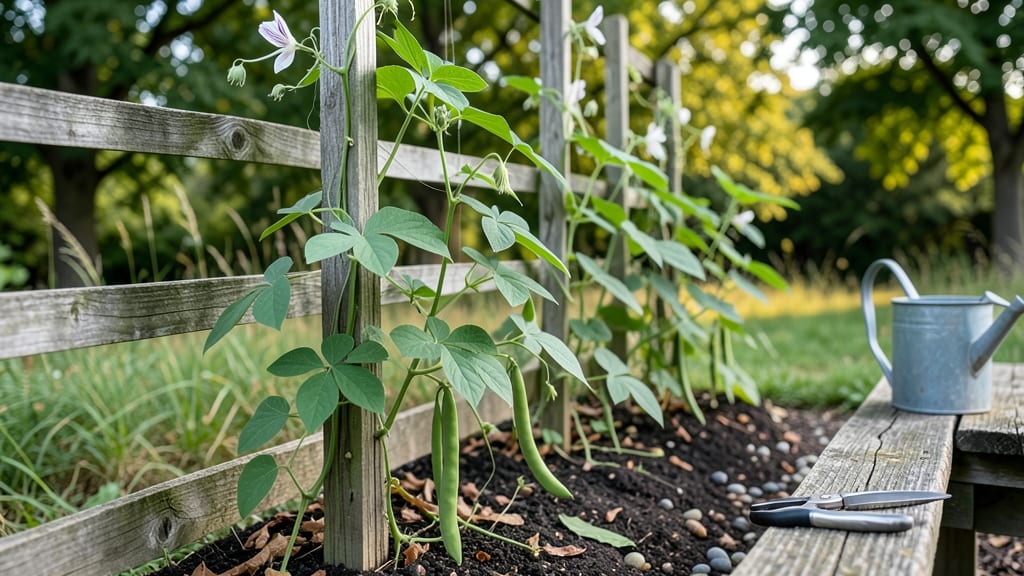
Growing a real-life beanstalk plant is easier than you think—just look at how pole beans climb 10 feet in a single season. 🌱 I've watched them transform bare trellises into lush green towers packed with edible pods, and you can too with the right setup.
The secret lies in fast-growing varieties like Kentucky Wonder or Rattlesnake beans, which shoot up 6-8 inches per week when given full sun and consistent moisture. Most gardeners overlook the importance of sturdy trellising—bamboo stakes or wire mesh work best to support their rapid growth.
By day 90, you'll be harvesting tender pods straight from the vine, with plants that look like something out of a fairy tale. The flavor? Sweet, crisp, and far superior to anything from the grocery store.
This works for small spaces, balconies, or even containers—just scale the trellis to your growing area. Let's get those beans climbing!
📚 In This Guide
- What you need
- Instructions
- Tips and common mistakes
- Wrapping up and next steps
What you need
- ● Seeds: Fast-growing Pole Bean seeds (e.g., 'Kentucky Wonder' or 'Scarlet Runner') – 5-10 seeds per plant.
- ● Growing Medium: High-quality potting mix (well-draining, organic) – 10-12 lbs (for 3-4 plants).
- ○ Coco coir or peat moss (optional, for moisture retention).
- ● Containers: Large vertical planters (e.g., fabric grow bags, trellis pots, or DIY wooden frames) – 1 per plant (12"+ deep).
- ● Small seed-starting pots (biodegradable, 2-3" diameter) – 5-10.
- ● Trellis/Support: Tall bamboo stakes (6-8 ft) or a metal trellis – 1 per plant.
- ● Twine or plant ties (for securing vines).
- ● Watering Tools: Watering can with a rose nozzle or a hose with a gentle spray.
- ○ Moisture meter (optional but helpful for beginners).
- ● Fertilizer: Balanced liquid fertilizer (10-10-10 or 5-5-5) – 1 bottle.
- ● Compost or worm castings (for organic enrichment).
- ● Garden Tools: Trowel or small shovel.
- ● Pruning shears (for trimming excess growth).
- ● Location: Sunny spot with 6+ hours of direct sunlight daily.
- ○ Protective cover (e.g., shade cloth) if in extreme heat (optional).
- ● Time Commitment: 10-15 minutes daily for watering and maintenance.
- ● Self-watering system (e.g., drip irrigation or wicking bed).
- ● Growth accelerator (e.g., seaweed extract or humic acid).
- ● Decorative elements (e.g., fairy lights, hanging planters for companions like nasturtiums).
- ● Journal or app (to track growth progress—because magic deserves documentation!).
How to grow a fast-growing vertical garden in 90 days
Turn empty walls into lush green spaces with this simple vertical garden technique.
🪴 Step 1: Build or Select Your Vertical Structure
Start with a sturdy frame—wooden pallets, wall-mounted planters, or a DIY trellis work perfectly. I like using 2x4 lumber to create a grid pattern with 12-inch spacing between vertical supports. This gives roots room to breathe while maximizing growth space. For a quicker setup, pre-made fabric grow bags or hanging pockets also work well.
Make sure your structure can handle 10-15 pounds per square foot once plants mature. If using outdoor space, anchor it securely to prevent wind damage. The key is stability—nothing ruins a vertical garden faster than a wobbly frame collapsing under vines.
🌱 Step 2: Choose Fast-Growing Climbing Plants
Pick pole beans, morning glories, or nasturtiums for quick results—these grow 3-5 feet in just 60 days. Avoid heavy feeders like ivy; they’ll smother your structure. I plant 4-6 seeds per pocket (or 1 seedling per 12-inch section) for full coverage. Space them evenly to prevent overcrowding as they mature.
Water the seeds immediately after planting to settle the soil around them. Keep the soil moist but not soggy—you’ll see sprouts in 5-10 days if conditions are right. Watch for first true leaves (the second set after the initial seed leaves) to confirm germination success.
☀️ Step 3: Position for Maximum Sunlight
Place your vertical garden where it gets 6+ hours of direct sunlight daily. South-facing walls or rooftops are ideal, but even 4-5 hours works for sun-tolerant varieties like beans. If indoors, use a grow light on a 14-hour timer to mimic natural daylight cycles.
Rotate the structure quarter-turn weekly so plants grow evenly toward the light. You’ll notice stems leaning toward the sun—this is normal! Adjust placement as needed, but avoid moving it after plants exceed 12 inches tall to prevent shock.
💧 Step 4: Water and Fertilize Strategically
Water deeply every 2-3 days until the top inch of soil feels dry. Vertical gardens dry out faster than ground-level ones, so check moisture daily during hot spells. I use a drip irrigation system for even distribution—it saves time and prevents root rot from overhead watering.
Fertilize lightly with a balanced 10-10-10 mix every 4 weeks once plants hit 6 inches tall. Over-fertilizing burns tender roots, so dilute to half-strength if using liquid feed. You’ll see darker green leaves and faster vine growth within a week of feeding.
✂️ Step 5: Train and Maintain Growth
Gently tie new vines to the trellis with soft plant ties or twine as they grow. Avoid metal clips—they can damage stems. Prune yellow or diseased leaves immediately to redirect energy to healthy growth. Harvest pole beans every 2-3 days to encourage continuous production.
By day 60, your vertical garden should be fully covered in lush foliage. At this point, add a light mulch (like straw) to retain moisture and suppress weeds. Keep an eye out for pests—aphids love tender new growth, so spray with neem oil if needed.
Tips & tricks for perfect vertical garden growth
Here's how to turn your vertical garden from good to spectacular in just 90 days.
Support System Stability: When building your vertical structure, use at least three anchor points for outdoor setups—especially if you're using wooden pallets. I learned this the hard way when a summer breeze toppled my first attempt! For indoor gardens, secure the structure to wall studs using heavy-duty brackets. This prevents wobbling that can stress young plants during the critical first 10 days of growth.
Plant Selection Strategy: For fastest results, combine pole beans and morning glories in the same vertical garden. The beans provide edible harvests while the morning glories create a stunning floral backdrop. I plant beans in the lower pockets (where they'll get more consistent moisture) and morning glories in the upper sections. The beans will reach 5 feet in 60 days while the flowers add beauty without overpowering the structure.
Lighting Hacks: If you're using grow lights indoors, position them 12-18 inches above the plants and adjust height as they grow. I use a simple LED clip light on a timer for my indoor vertical garden—it's affordable and mimics natural daylight perfectly. For outdoor gardens, avoid placing your structure in deep shade, even if it gets 4-5 hours of sunlight. Partial shade can still work, but you'll need to supplement with a grow light for 4-6 hours daily during cloudy periods.
Watering Wisdom: The top inch of soil test is crucial—stick your finger in to check moisture before watering. I've found that using a spray bottle for the top pockets prevents water from running down and pooling at the bottom. For larger structures, consider adding a small reservoir at the bottom to collect excess water and reuse it for the next watering. This creates a closed-loop system that saves water and keeps roots consistently moist.
Pro Tips for Real Life Beanstalk Plant
- Here's how to turn your vertical garden from good to spectacular in just 90 days.
- Support System Stability: When building your vertical structure, use at least three anchor points for outdoor setups—especially if you're using wooden pallets.
- Plant Selection Strategy: For fastest results, combine pole beans and morning glories in the same vertical garden.
Frequently asked questions
Got questions about growing your own real-life beanstalk plant? You’re not alone—this fast-growing vertical garden is as exciting as it is practical! Below, we’ve rounded up the most common queries to help you grow with confidence.
How fast does a real-life beanstalk plant (pole bean) actually grow?
Pole beans like Blue Lake or Kentucky Wonder can shoot up 6–12 inches per week under ideal conditions! With proper sunlight (6+ hours/day), support, and consistent watering, you’ll see dramatic growth—often reaching 8–10 feet in just 90 days. Patience pays off, but the speed is seriously impressive!
What’s the biggest challenge when growing a beanstalk plant?
The top hurdles are support instability and pests. A flimsy trellis can snap under the weight of vines, while aphids or bean beetles may munch on leaves. Pro tip: Use a sturdy A-frame trellis or cattle panel, and spray neem oil early to deter pests. Rotate your plants yearly to avoid soil-borne diseases too!
Can I grow a beanstalk plant in a small space or container?
Pole beans thrive in 5-gallon containers or vertical planters as long as the roots have room to spread (aim for 12+ inches deep). Just ensure the pot has drainage holes and use a lightweight potting mix. For urban gardens, a wall-mounted trellis or hanging basket with a vine support works like magic.
When is the best time to plant a beanstalk for a 90-day harvest?
Plant after the last frost when soil temps hit 60°F+—typically late spring to early summer. For a fall harvest, start seeds 8–10 weeks before your first frost date. In warm climates, you can even grow a winter crop with row covers. Check your local frost dates to time it perfectly!
What if my beanstalk plant stops growing or wilts?
Wilting often signals underwatering, overwatering, or poor drainage. Check the soil—it should stay moist but not soggy. Yellow leaves? You might need more nitrogen (try compost tea). If growth stalls, prune lower leaves to redirect energy upward and ensure your trellis isn’t shading the plant. A quick fix: fertilize with a balanced 10-10-10 and watch it bounce back!
Wrapping up and next steps
Growing a real-life beanstalk plant isn’t just about magic—it’s about transforming your space with nature’s own vertical wonder! 🌱 In just 90 days, you can turn a small corner into a lush, thriving garden, whether you’re a beginner or a green thumb.
The key? Patience, creativity, and a little green love.
Ready to take the next step? Start small—pick one plant, one trellis, and one sunny spot. Then, watch your vision grow! Share your progress, experiment with new plants, and soon, you’ll be the neighborhood’s go-to for vertical gardening inspiration. Happy growing! 🌿