
Blooming
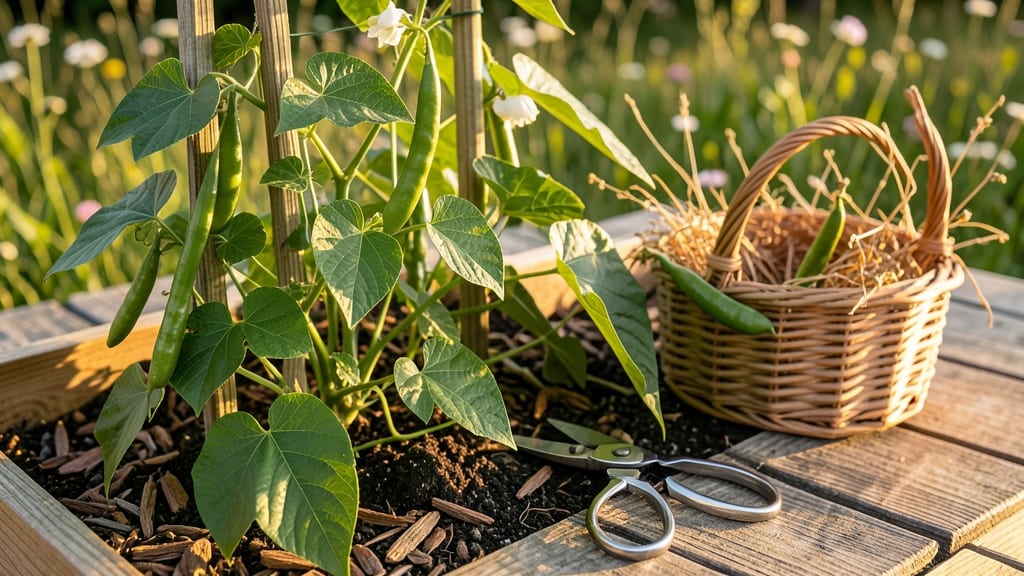
Growing really long green beans turns a tiny corner of your yard into a pole bean factory. 🌱 The secret isn't just good soil—it's vertical space that lets these vines stretch toward the sky instead of sprawling across your garden.
My first try with 'Kentucky Wonder' produced beans so long they nearly touched the fence, and that's when I realized how much space you can save by growing up.
You'll need a sturdy trellis (bamboo stakes or a simple wire frame work), well-draining soil mixed with compost, and patience—these beans take about 60 days to mature. The key is consistent watering (about 1 inch per week) and regular harvesting to keep the plants producing.
I've found that companion planting with marigolds deters pests naturally, so I always tuck those in nearby. By midsummer, you'll be picking 12-18 inch beans that snap fresh from the vine.
The flavor stays sweet and tender when harvested young, and the plants keep producing for weeks if you stay on top of it. No more tiny beans hidden in the foliage—just long, straight, harvest-ready pods every time.
This method works for any yard size, from balcony planters to full garden beds. Once you try it, you'll never plant pole beans the old way again!
📚 In This Guide
- What you need
- Instructions
- Tips and common mistakes
- Wrapping up and next steps
What you need
- ● Really Long Green Bean Seeds: Choose pole or vining varieties like Kentucky Wonder, Rattlesnake, or Blue Lake Bush (for vertical growth). Aim for 5–10 seeds per vertical structure, depending on size.
- ● Vertical Garden Structure: Trellis or A-Frame: At least 6–8 feet tall (taller = longer beans!). Use galvanized wire, bamboo, or PVC pipes for durability.
- ● Wall-Mounted Pocket Planters: Fabric or plastic pockets (e.g., 12–18 inches deep) for urban spaces. 4–6 pockets per section.
- ● Cattle Panel Trellis: Repurpose a 4’x8’ cattle panel (cut to size) for a rustic, budget-friendly option.
- ● Potting Mix: 10–15 gallons of well-draining, organic potting soil (mix in compost or worm castings for nutrients). Avoid garden soil—it compacts!
- ● Compost or Fertilizer: Balanced organic fertilizer (e.g., 5-5-5) or fish emulsion for a nutrient boost. 1 tbsp per plant at planting, then every 3–4 weeks.
- ○ Watering System (Optional but Helpful): Drip Irrigation Kit: For consistent moisture (especially in vertical setups).
- ● Self-Watering Planters: Reduces maintenance (e.g., 5-gallon fabric grow bags with a reservoir).
- ● Garden Gloves (to protect your hands from thorns or rough textures).
- ● Trowel or Small Shovel (for planting seeds and transplanting seedlings).
- ● Measuring Tape (to ensure proper spacing—4–6 inches apart for beans).
- ● Pruners or Scissors (for trimming excess growth or harvesting).
- ● Support Stakes or Twine (to gently guide vines upward if using a loose trellis).
- ● Spray Bottle (for misting seedlings or deterring pests).
- ● Sunlight: 6–8 hours of direct sunlight daily. South-facing walls or balconies work best!
- ● Climate Considerations: Cool Climates: Start seeds indoors 2–3 weeks before last frost or use row covers.
- ● Hot Climates: Plant in late spring/early summer to avoid heat stress.
- ● Soil Temperature: Wait until soil reaches 60°F+ (use a soil thermometer if unsure).
- ● Pest Prevention: Neem Oil Spray (deter pests like aphids).
- ● Row Covers (protect from cabbage worms or beetles).
Step-by-step instructions for growing pole beans vertically
Here's how to turn a small space into a pole bean powerhouse with minimal fuss.
🌱 Step 1: Choose the Right Trellis and Location
Pick a sturdy trellis that's at least 6 feet tall—I like the freestanding A-frame designs because they're stable in wind. Position it in full sun (6+ hours daily) where it won't be shaded by other plants as they grow. The south side of a fence or along a deck works perfectly.
Drive posts for the trellis into the ground at least 12 inches deep to prevent leaning. If using a freestanding frame, anchor it with stakes or weights. You'll see the beans climb faster when the structure is rock-solid—no wobbly trellises here!
🌱 Step 2: Plant Seeds at the Base with Proper Spacing
Plant 4-5 seeds (enough for your 4-serving goal) about 1 inch deep and 4 inches apart in a trench at the base of the trellis. I always plant 2-3 extra seeds because some won't germinate, and you want strong, healthy starts. Use a 5-foot row of seeds for optimal coverage.
After planting, water gently but thoroughly until the soil is evenly moist to a depth of 2 inches. Keep the soil consistently moist (not soggy) until germination, which usually happens in 7-14 days. You'll know it's time when the first true leaves appear—those are your green bean signal flags!
💧 Step 3: Train Vines and Water Consistently
Once seedlings reach 4-6 inches tall, gently weave the main stems through the trellis grid or tie them to the support with soft plant ties. Don't wrap the ties too tightly—they should allow the stems to grow but keep them upright. I check the vines weekly and adjust as they grow to prevent tangling.
Water at the base of the plants 1-2 inches per week, aiming for deep, infrequent watering rather than frequent shallow watering. This encourages strong root growth. Mulch around the base with 2-3 inches of straw or grass clippings to retain moisture and suppress weeds. You'll notice the vines grow faster and produce more beans when the soil stays consistently moist.
✂️ Step 4: Harvest Regularly for Continuous Production
Start harvesting when beans reach 6-8 inches long—this is the "really long" stage you're aiming for! Use sharp scissors or pinch the beans off at the stem to avoid damaging the plant. I harvest every 2-3 days during peak production to encourage more flowers and beans. The key is to pick consistently—neglected beans turn woody and bitter.
Harvest in the morning when beans are crispest. Cut or snap off the entire pod, including the stem, to prevent pests from climbing up. You'll see new flowers forming within a week of regular harvesting, meaning more beans on the way!
☀️ Step 5: Maintain Through the Growing Season
Fertilize lightly every 4-6 weeks with a balanced organic fertilizer (like 10-10-10) to keep the plants producing. I use about 1 tablespoon per plant mixed into the soil around the base. Avoid over-fertilizing—too much nitrogen leads to leafy growth at the expense of beans.
Watch for pests like bean beetles or aphids. If you see them, spray the plants with a strong stream of water to dislodge them or use neem oil as a natural deterrent. Keep the trellis clean by removing any fallen leaves or debris, which can harbor pests and diseases. With proper care, your pole beans will keep producing until the first frost!
Tips & tricks for perfect vertical pole bean growth
These simple strategies will help you maximize your harvest and keep those really long green beans thriving all season long.
Trellis Stability is Everything: I can't stress enough how important a sturdy trellis is—especially in windy conditions. If your trellis wobbles, the vines will struggle to climb properly, leading to tangled growth and fewer beans. For extra security, consider adding guy wires to freestanding frames or using a heavy-duty garden trellis with metal supports. The more stable your structure, the faster and straighter your beans will grow toward the sun.
Germination Timing Secret: Those first 7-14 days of germination are critical. To speed things up, soak your seeds overnight before planting—they'll sprout faster and give you a head start. Also, keep the soil consistently moist during this period, but avoid waterlogging. A good trick is to cover the planted seeds with clear plastic wrap until germination to maintain humidity. Once you see those first true leaves, you're on your way to a bountiful harvest!
Watering Wisdom: The 1-2 inches per week guideline works well, but timing matters too. Water deeply in the morning so the plants have all day to absorb moisture before evening. I've found that using a soaker hose or drip irrigation system right at the base of the plants prevents water from splashing onto leaves, which helps reduce disease risk. And remember—deep watering encourages those strong roots that keep your beans climbing high!
Harvesting Hack: When those beans reach 6-8 inches, don't wait too long to pick! I've learned the hard way that waiting even a day or two can turn crisp pods into tough, stringy ones. Use sharp scissors to snip the beans just below the pod—this prevents damage to the plant and makes harvesting easier. The more consistently you pick, the more your plants will produce. Think of it like training your beans to keep flowering and setting new pods!
Pro Tips for Really Long Green Beans
- These simple strategies will help you maximize your harvest and keep those really long green beans thriving all season long.
- Trellis Stability is Everything: I can't stress enough how important a sturdy trellis is—especially in windy conditions.
- Germination Timing Secret: Those first 7-14 days of germination are critical.
Frequently asked questions
Got questions about growing really long green beans in your vertical garden? You’re not alone! Here are some of the most common queries—and their answers—to help you grow like a pro.
What’s the best variety for growing extra-long green beans?
Look for heirloom or pole bean varieties like Kentucky Wonder, Rattlesnake, or Contender. These are bred for climbing and can reach 6–10 feet with proper support. Avoid bush varieties—they’re short and sprawling, not ideal for vertical spaces!
How long does it take for really long green beans to mature?
Most varieties take 50–60 days from planting to harvest, but Kentucky Wonder can be ready in as few as 45 days if conditions are perfect. Check seed packets for exact timelines—cool weather slows growth, while warm, sunny days speed it up.
Can I grow really long green beans in containers or small spaces?
Use a 5-gallon bucket, vertical trellis, or even a hanging planter with a sturdy frame. Just ensure the container is at least 12–18 inches deep and provides 3–6 feet of climbing space. Containers dry out faster, so water consistently!
Why aren’t my long green beans growing straight or are twisting?
Twisted or crooked vines usually mean poor support or overcrowding. Use a strong trellis, cage, or twine to guide growth, and prune side shoots to encourage upward focus. If vines are weak, check for nutrient deficiencies (add compost or balanced fertilizer) or pests (like spider mites).
How do I harvest really long green beans without damaging the plant?
Pick beans every 2–3 days when they’re 4–6 inches long (younger = sweeter!). Use clean scissors or pinch them off gently to avoid tearing vines. Harvesting frequently encourages more production—just avoid yanking the whole pod, which can stress the plant.
Do really long green beans need special care in hot or cold climates?
In hot climates, mulch to retain moisture and provide afternoon shade to prevent wilting. In cool climates, use row covers or plant in a sunny, sheltered spot. Most varieties thrive in 60–85°F—if temps drop below 50°F, growth slows significantly.
Wrapping up and next steps
Growing really long green beans in a vertical garden isn’t just clever—it’s a game-changer for small spaces and year-round harvests! 🌱 With the right setup, you’ll enjoy fresh, homegrown beans without sacrificing your patio or balcony.
Whether you’re a beginner or a seasoned gardener, this method proves that big yields don’t need big plots.
Ready to dive in? Start by sketching your vertical plan—pick your favorite design (trellis, tower, or hanging net) and gather your supplies. Then, plant those seeds and watch your green beans climb toward the sky! Happy gardening, and may your harvest be long, lush, and delicious.