
Shrubs
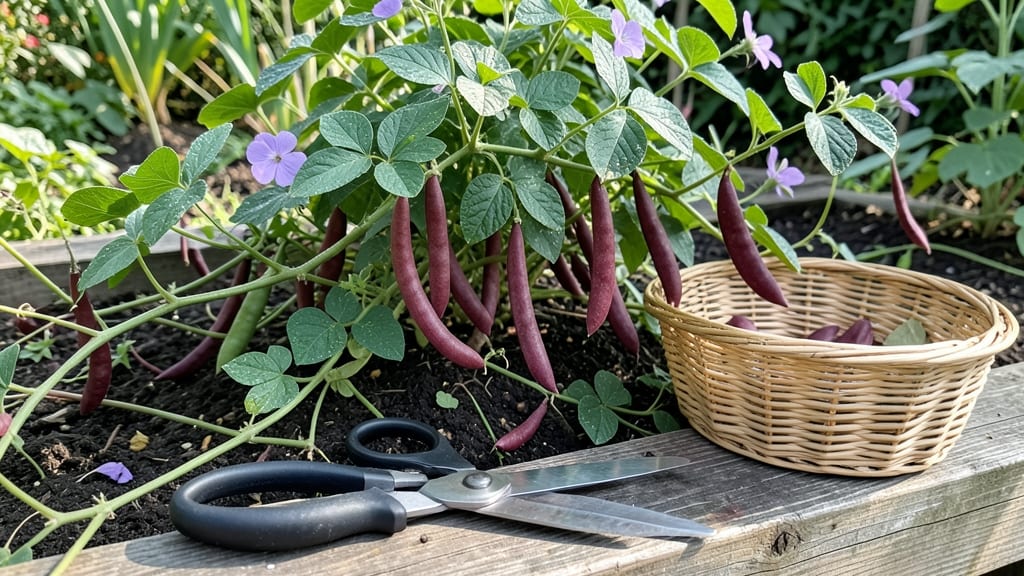
Growing red cowpea beans means adding a drought-resistant, nitrogen-rich boost to your garden that most plants will thank you for. 🌱 These vibrant climbers don't just feed your soil—they feed your harvest too, producing tender pods perfect for stir-fries or fresh eating.
I've grown them for years, and they've become my go-to for fixing poor soil and attracting pollinators. The secret to success is simple: warm soil, consistent moisture, and a sturdy trellis.
These beans thrive in 75-95°F temperatures and can handle dry spells better than most—ideal for summer gardens or areas with irregular rainfall. Plant them after the last frost when the ground reaches 60°F, and watch them climb within weeks.
By mid-summer, you'll have 12-inch pods ready to pick, with plants continuing to produce for months. The more you harvest, the more they grow, making them one of the most generous warm-season crops around. Plus, their deep roots break up compacted soil naturally.
Works in raised beds, containers, or traditional rows—just give them space to sprawl or climb. Here's how to get started with minimal fuss and maximum reward!
📚 In This Guide
- What you need
- Instructions
- Tips and common mistakes
- Wrapping up and next steps
What you need
- ● Red Cowpea Bean Seeds: 50–100 seeds (adjust based on space; ~1–2 seeds per foot of row or 3–4 inches apart in containers). Opt for heirloom or drought-resistant varieties like ‘Purple Hull’ or ‘California Blackeye’.
- ● Well-Draining Soil: A mix of 60% topsoil, 30% compost, and 10% perlite/sand (for loose, aerated soil). Cowpeas thrive in slightly acidic to neutral pH (6.0–7.0).
- ● Sunlight: Full sun (6–8+ hours daily)—these beans are sun-hungry!
- ● Water: Access to 1–2 inches of water per week (drought-tolerant but needs moisture during flowering).
- ○ Support Structures (Optional but Helpful): Trellis or stakes (for climbing varieties; 4–6 feet tall).
- ● Cattle panels or tomato cages (for bush types).
- ● Gardening Tools: Hand trowel or transplanting spade.
- ● Garden rake (for soil prep).
- ● Pruners (for trimming vines later).
- ● Fertilizer (Light Touch!): Cowpeas fix nitrogen, so avoid heavy fertilizers. Use a low-phosphorus, balanced fertilizer (5-5-5 or 10-10-10) only if soil tests poor.
- ● Mulch: Straw or wood chips (to retain moisture and suppress weeds).
- ○ Row Covers or Shade Cloth (Optional): For early planting in cooler climates (protects seedlings from frost).
- ○ Soil Test Kit (Optional but Recommended): Ensures your soil meets pH/nutrient needs.
Step-by-Step instructions for growing red cowpea beans
Here’s how to cultivate these hardy, nitrogen-rich beans that thrive even in dry conditions.
🌱 Step 1: Choose the Right Planting Time and Location
Red cowpea beans love warmth and perform best when soil temperatures reach at least 65°F. Aim to plant them 2-3 weeks after your last frost date when the ground is fully thawed. They thrive in full sun—select a spot that receives 6-8 hours of direct sunlight daily—and tolerate poor, sandy, or clay soils better than most beans.
I always test soil moisture before planting. Stick your finger 2 inches deep—if it feels dry, wait another week. Cowpeas hate soggy roots, so avoid low-lying areas where water pools. If your soil is heavy clay, mix in 1-2 inches of compost to improve drainage before planting.
🌱 Step 2: Prepare the Soil and Plant Seeds
Cowpeas don’t need rich soil, but they do appreciate well-draining conditions. Loosen the top 6 inches of soil with a garden fork, breaking up any compacted layers. Scatter seeds 1 inch deep and 3-4 inches apart in rows spaced 18-24 inches apart. Planting too close leads to crowded vines and poor airflow, which invites disease.
I like to plant in short, staggered rows rather than long ones. This makes it easier to thin seedlings later and prevents soil-borne diseases from spreading. Press the soil gently around seeds to ensure good seed-to-soil contact—this encourages faster germination. Water lightly right after planting to settle the soil, but avoid soaking it.
💧 Step 3: Water and Maintain Moisture Without Overdoing It
Cowpeas are drought-tolerant once established, but they need consistent moisture during germination and early growth. Water deeply 1-2 times per week, aiming for 1 inch of water total per week. Let the top 1-2 inches of soil dry out between waterings—this prevents root rot while keeping plants hydrated.
Here’s the trick: water early in the morning so foliage dries quickly, reducing fungal risks. Once vines start climbing, reduce watering slightly—every 7-10 days—unless your area experiences extreme heat. Cowpeas wilt slightly in the afternoon heat but recover by evening; this is normal and not a sign of stress.
☀️ Step 4: Provide Support and Encourage Climbing
Red cowpeas are vigorous climbers and need support to grow upright. Install 5-6 foot tall trellises, stakes, or strong fences near planting rows before vines start twining. I use bamboo stakes tied with twine for a rustic look, but any sturdy structure works. Plant seeds 4-6 inches away from the support so vines can easily reach and wrap around.
Watch for first tendrils—thin, curly growths that appear when leaves are 4-6 inches tall. These are your cue to gently guide vines upward. If left unsupported, cowpeas sprawl, making harvest difficult and increasing disease risk. Prune any side shoots that don’t reach the trellis to direct energy upward.
✂️ Step 5: Harvest and Enjoy Your Nitrogen-Boosting Crop
Cowpeas are ready to harvest when pods are firm, plump, and about 3-4 inches long. Check plants every 2-3 days starting 60-70 days after planting—they mature quickly! Use clean scissors or pruners to snip pods at the stem to avoid damaging the vine. Harvesting frequently encourages more production.
Don’t wait too long—overripe pods become tough and stringy. Once harvested, store pods in a cool, dry place for up to 5 days or freeze them for later use. After the main harvest, let a few pods mature fully on the vine. Dry them completely, then save seeds for next season or use them as a natural nitrogen fix for your garden.
Tips & tricks for perfect red cowpea bean growth
These hardy beans reward patience with nitrogen-rich soil and delicious harvests—here's how to maximize your success.
Soil Temperature Secret: The 65°F soil temperature minimum in Step 1 is non-negotiable for germination. Use a soil thermometer if your area has unpredictable spring warming. I've planted too early in cooler climates and ended up with patchy germination—wait for consistent warmth above 65°F for at least 5 days before planting. For northern gardeners, consider using black plastic mulch a week before planting to warm the soil faster.
Planting Layout Strategy: The 18-24 inch row spacing in Step 2 might seem generous, but trust me—it's worth it. Crowded cowpeas develop fungal issues from poor airflow, and harvesting becomes a nightmare. I've found that planting in short, staggered rows (as mentioned) also creates natural pathways between plants, making weeding and pest monitoring easier. Mark your rows with stakes before planting to maintain perfect spacing.
Watering Wisdom: That 1 inch per week guideline in Step 3 is perfect, but here's the real trick: use a rain gauge or tuna can to measure your watering. Many gardeners overestimate how much water they're actually providing. For the first 2-3 weeks, check soil moisture daily—cowpea seeds need consistent dampness to germinate. Once established, let the top 2 inches dry out between waterings to prevent root rot while maintaining drought tolerance.
Support System: The 5-6 foot tall supports in Step 4 don't need to be fancy. I've successfully used old fence pickets, sturdy branches, or even repurposed PVC pipes tied together. The key is positioning them 4-6 inches away from planting rows so vines can easily reach and wrap around. Install supports before vines start climbing—once they're established, moving them becomes a struggle.
Pro Tips for Red Cowpea Beans
- These hardy beans reward patience with nitrogen-rich soil and delicious harvests—here's how to maximize your success.
- Soil Temperature Secret: The 65°F soil temperature minimum in Step 1 is non-negotiable for germination.
- Planting Layout Strategy: The 18-24 inch row spacing in Step 2 might seem generous, but trust me—it's worth it.
Frequently asked questions
Got questions about growing red cowpea beans? You’re not alone—this hardy, nitrogen-fixing legume has its own quirks! Below, we’ve rounded up the most common queries from gardeners just like you. Whether you’re troubleshooting, planning, or curious about alternatives, these answers will help you cultivate a thriving crop.
How long does it take for red cowpea beans to mature?
Red cowpea beans typically mature in 60–90 days after planting, depending on the variety and growing conditions. Early-maturing types (like ‘Purple Hull’) may be ready in as little as 50 days, while larger varieties can take closer to 3 months. Keep an eye on pods—when they firm up and turn a deep red or brown, it’s harvest time!
Can I grow red cowpea beans in drought conditions?
One of their biggest perks is drought tolerance. Once established, red cowpeas thrive with minimal water—aim for 1 inch of water per week during dry spells. Mulching (with straw or grass clippings) helps retain moisture. If your area faces extreme drought, focus on well-drained soil and avoid overwatering, which can cause root rot.
Are red cowpea beans safe to eat raw, or do they need cooking?
Never eat them raw! Raw cowpea beans contain toxins (like lectins) that can cause digestive upset. Always soak overnight and cook thoroughly—boiling, steaming, or pressure cooking for at least 10 minutes neutralizes the risks. Pro tip: Save the cooking water for soups or stews to maximize flavor!
What can I plant with red cowpea beans to improve my garden?
Red cowpeas are nitrogen-fixing superstars, so pair them with heavy feeders like:
- Corn (they climb trellises or grow alongside)
- Tomatoes or peppers (boosts soil fertility)
- Sweet potatoes or squash (companion planting benefits)
Why are my red cowpea bean leaves turning yellow?
Yellowing leaves (chlorosis) usually signals one of three issues:
- Nitrogen deficiency: Despite fixing nitrogen, young plants may need a light side-dressing of compost.
- Overwatering: Ensure soil drains well—soggy roots = trouble.
- Pests or disease: Check for aphids, spider mites, or fungal spots. Neem oil or copper spray can help.
Are red cowpea beans a good alternative to soybeans?
Yes! Red cowpeas are a sustainable, low-maintenance alternative to soybeans, especially in:
- Drought-prone areas (soybeans need more water)
- Small gardens (they fix nitrogen without heavy machinery)
- Traditional diets (versatile for soups, stews, or flour)
Wrapping up and next steps
Red cowpea beans aren’t just a drought-resistant superstar—they’re a game-changer for sustainable gardens! 🌱 With their nitrogen-fixing magic and hardy nature, they boost soil health while thriving in tough conditions. Whether you're a seasoned gardener or just starting out, these beans offer a simple, rewarding way to grow greener, stronger plants.
Ready to plant the seeds of success? Start small—try a patch in your garden this season and watch your soil (and harvest!) transform. Happy growing! 🌟