
Plants
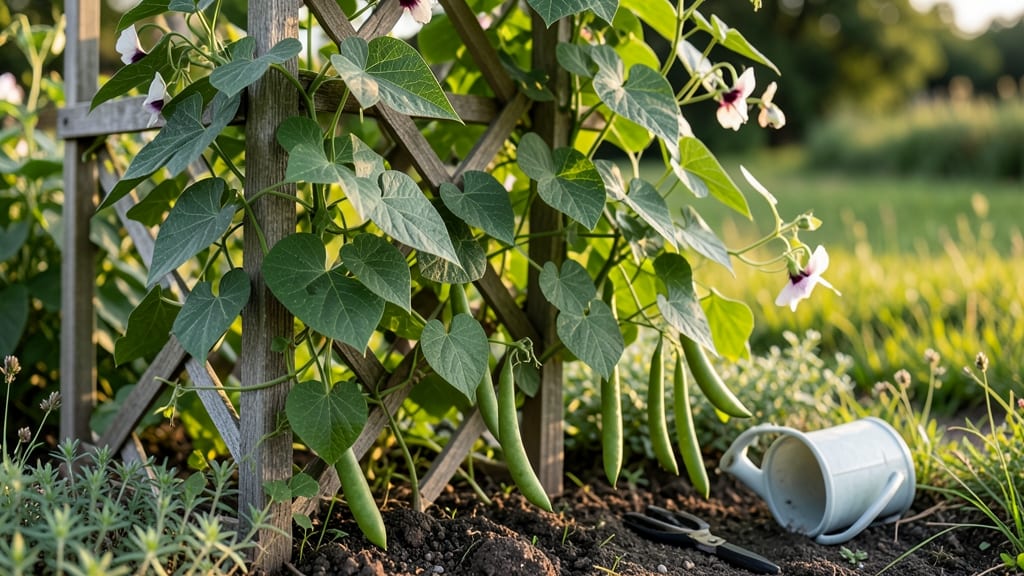
Growing a runner bean vine transforms any corner of your garden into a lush, productive vertical paradise with almost no extra effort. 🌱 I’ve watched these vigorous climbers turn bare walls into emerald tunnels of edible pods—all while keeping the soil healthy and the pests at bay.
The secret lies in their love of warmth, their relentless upward growth, and their ability to produce pounds of beans with minimal fuss once established. Runner beans thrive in well-draining soil and need a sturdy trellis or fence to climb—think of it as their natural habitat.
Plant them after the last frost when soil temperatures hit 60°F, and they’ll reward you with tender pods in just 8-10 weeks. The key is consistency: keep the soil moist but not soggy, and feed lightly with compost or balanced fertilizer every few weeks.
Prune regularly to encourage bushier growth and better airflow, which keeps diseases away. By midsummer, you’ll be harvesting bright red or green pods that taste sweeter than anything from the store. The vines even fix nitrogen in the soil, improving it for next year’s plants.
Whether you’re growing for fresh eating, drying, or canning, runner beans deliver reliable harvests with almost no maintenance after the initial setup. Perfect for small gardens, balconies, or even containers with a trellis. Here’s how to get started—no green thumb required!
📚 In This Guide
- What you need
- Instructions
- Tips and common mistakes
- Wrapping up and next steps
What you need
- ● Runner Bean Seeds: 10–20 seeds (choose heirloom varieties like ‘Scarlet Emperor’ or ‘Striped’ for vibrant blooms).
- ● Growing Space: Direct sunlight (6+ hours/day) or a partial shade spot (for hot climates).
- ● Trellis, fence, or sturdy stakes (6–8 ft tall) for vining support.
- ● Soil: Well-draining, nutrient-rich soil (pH 6.0–7.0). Amend with compost if your soil is heavy or sandy.
- ● Watering Can or Hose: With a gentle spray nozzle for consistent moisture.
- ○ Fertilizer (Optional but Helpful): Balanced organic fertilizer (10-10-10) or compost tea at planting time.
- ● Low-nitrogen fertilizer (like 5-10-10) when flowers appear.
- ● Mulch (straw or grass clippings) to retain moisture and suppress weeds.
- ● Pruning shears for trimming overgrown vines or dead foliage.
- ● Plant markers to label varieties (if growing multiple types).
- ● Row covers or netting to protect from pests like bean beetles.
Step-by-step instructions for growing a thriving runner bean vine
Here's how to grow a vigorous, productive runner bean vine—no fuss, just delicious results.
🌱 Step 1: Choose the Perfect Location and Prepare the Soil
Runner beans love sun and space. Pick a spot with full sun exposure (6+ hours daily) and shelter from strong winds. These vines grow 6-10 feet tall, so position them near a sturdy trellis, fence, or obelisk at least 8 feet high. I always place mine near the house wall for easy access and morning sun.
Loosen the soil to a depth of 12 inches with a garden fork. Mix in 2 inches of compost to improve drainage and fertility—runner beans hate soggy roots. If your soil is heavy clay, add a handful of perlite or coarse sand to help water drain freely. A soil pH between 6.0-7.0 is ideal, but runner beans are forgiving if you're slightly off.
🌱 Step 2: Plant Seeds at the Right Depth and Spacing
Runner bean seeds need warmth to germinate, so wait until the soil temperature reaches at least 60°F—usually after the last frost date in your area. Plant seeds 1-2 inches deep and 4-6 inches apart in rows spaced 3 feet apart to give vines room to sprawl. I like to plant 2-3 seeds per spot and thin to the strongest seedling after germination.
Don't cover the seeds with fine soil—just press them lightly into the mix. The large seeds contain enough energy to push through denser soil. Water gently after planting to settle the soil around the seeds, but avoid soaking the area. You'll see sprouts in 10-14 days if conditions are right—watch for the first tiny leaves to emerge.
☀️ Step 3: Provide Support and Encourage Climbing Early
As soon as seedlings reach 4-6 inches tall (about 2 weeks after planting), install your trellis or support structure. I use a simple 6-foot tall bamboo teepee for smaller gardens—it's sturdy and lets beans climb naturally. For fences, space strings or twine 6 inches apart vertically to guide the vines upward.
Gently tie the main stems to the support with soft plant ties or old fabric strips as they grow. Runner beans are aggressive climbers, but they need encouragement early to avoid sprawling on the ground. You'll notice the vines start curling around the support within a week—this is their natural way of finding stability. Prune any side shoots that form below the first 12 inches to focus energy on upward growth.
💧 Step 4: Water and Feed for Maximum Production
Runner beans need 1-1.5 inches of water weekly, but they're drought-tolerant once established. Water at the base of the plant in the morning to reduce evaporation and fungal risks. Let the top 2 inches of soil dry out between waterings—wilting leaves signal it's time to water. Overhead watering can spread disease, so aim the hose at the soil, not the foliage.
Feed with a balanced fertilizer (10-10-10) when flowers first appear, then switch to a low-nitrogen, high-phosphorus fertilizer (5-10-10) to boost flowering and pod production. I like to side-dress with compost tea every 4 weeks for a gentle nutrient boost. Stop fertilizing once pods start forming—too much nitrogen makes plants leafy instead of productive.
✂️ Step 5: Harvest and Prune for Continuous Yield
Harvest runner beans when pods are 4-6 inches long and firm—they taste best when picked young. Use sharp scissors or pruners to cut pods just above the leaf node to avoid damaging the vine. I pick every 2-3 days in peak season to encourage more flowers and pods. Regular harvesting prevents the plant from going to seed too early and extends the harvest window.
Prune throughout the season by removing any yellow or diseased leaves immediately. Also, pinch back the tips of the main stems after 6-8 feet of growth to redirect energy to side shoots, which produce more flowers. You'll see new growth within a week—this keeps the plant bushy and productive until the first frost.
Tips & tricks for perfect runner bean vine growth
These simple strategies will help you grow a thriving runner bean vine that produces all season long.
The Heat Factor: Runner bean seeds need that 60°F soil temperature to germinate properly—don't rush planting just because spring arrived. I've learned the hard way that cold soil slows germination dramatically. Use a soil thermometer to check if you're unsure, especially in cooler climates. If your soil stays below 60°F for weeks, consider using a cold frame or planting in black plastic to warm the soil faster.
Timing Secret: The 10-14 day germination window is your first clue about progress. If you don't see sprouts after 14 days, gently loosen the soil around the planted seeds—sometimes they've germinated but been buried by soil movement. I also recommend marking your planting spots with small stakes so you can easily find them without disturbing the soil. Once you see those first true leaves, you're on your way to a productive vine!
Support Strategy: Installing support when seedlings reach 4-6 inches is crucial—don't wait until they're sprawling on the ground. I've found that bamboo teepees work beautifully for smaller gardens, while trellis netting attached to fences gives vines plenty of room to climb. Space vertical supports 6 inches apart to prevent vines from slipping through. The sooner you provide support, the straighter your vines will grow and the easier harvesting becomes later in the season.
Pruning Payoff: That 12-inch pruning rule for side shoots might seem arbitrary, but it's what keeps your plant focused on upward growth and pod production. I always remove any shoots below this height immediately—they'll just compete with your main stems for energy. When you pinch back the tips after 6-8 feet of growth, you'll notice new side shoots forming within days, creating a bushier plant that produces more flowers and pods throughout the season.
Pro Tips for Runner Bean Vine
- These simple strategies will help you grow a thriving runner bean vine that produces all season long.
- The Heat Factor: Runner bean seeds need that 60°F soil temperature to germinate properly—don't rush planting just bec...
- Timing Secret: The 10-14 day germination window is your first clue about progress. If you don't see sprouts after 14 ...
Frequently asked questions
How long does it take for runner bean vines to grow and produce pods?
Runner beans are fast growers! With the right conditions, they’ll sprout within 7–14 days and start climbing vigorously. Expect the first pods to appear in 8–12 weeks after planting, with a peak harvest in 2–3 months. Patience pays off—early blooms may not always produce pods, but consistency follows!
Can runner beans grow in containers, or do they need a garden bed?
Runner beans thrive in containers at least 12–18 inches deep and wide, as long as they have sturdy trellises or poles for support. Just ensure the pot has drainage holes and use a balanced fertilizer to compensate for limited root space. Bonus: Container growing makes harvesting easier and protects pods from slugs!
Why are my runner bean leaves turning yellow? What’s wrong?
Yellowing leaves often signal overwatering, nutrient deficiency, or pests. Check the soil—it should be moist but not soggy. Lack of nitrogen (common in sandy soil) can cause this too; try a light feeding with compost tea. Inspect the undersides of leaves for aphids or spider mites, and blast them off with water if needed. Adjust care, and your plant should bounce back!
Are runner beans perennial, or do I need to replant every year?
Runner beans are annuals, meaning they complete their life cycle in one growing season. However, they self-seed easily in mild climates, so you might spot volunteers the next spring! For cooler regions, save seeds from your healthiest pods to replant. Pro tip: Label your plants if you’re experimenting with heirloom varieties!
How do I know when runner beans are ripe for picking?
Harvest runner beans when pods are 4–6 inches long, firm, and slightly plump. They should snap easily when bent—if they’re tough or fibrous, they’ve overmatured. Pick regularly (every 2–3 days) to encourage more production. Save a few pods to dry for seeds or enjoy the fresh, buttery flavor at peak ripeness!
Wrapping up and next steps
The runner bean vine is a low-maintenance, high-reward addition to any garden—whether you're a seasoned gardener or just starting out. 🌱 With its fast growth, delicious harvest, and ability to thrive in small spaces, it’s the perfect way to bring life, color, and fresh produce to your outdoor oasis.
Ready to give it a try?
Start by choosing your spot and planting seeds—then sit back and watch your garden transform. Before you know it, you’ll be enjoying homegrown runner beans straight from the vine! Happy gardening! 🌿