
Vegetables
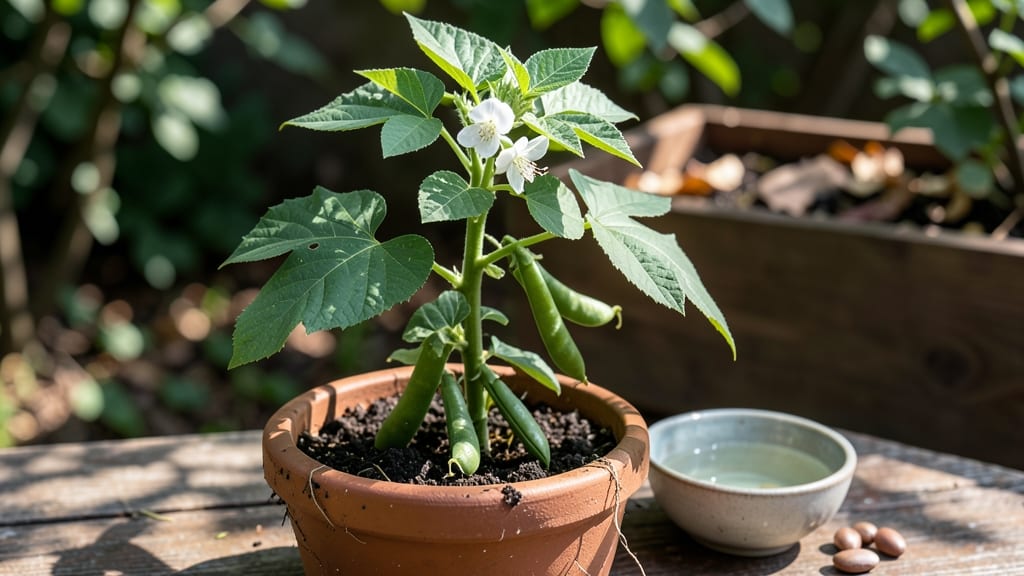
Soaking beans before planting cuts germination time from a week to just 24 hours. 🌱 I learned this trick after watching my first batch of beans take forever to sprout—now my plants emerge strong and consistent every season.
The simple overnight soak softens the seed coat, letting moisture reach the embryo faster while reducing disease risk from mold-prone seeds.
All you need is a bowl, warm water, and a clean kitchen towel. Most beans benefit from a 6-12 hour soak—longer than that can leach nutrients. Rinse them afterward to prepare for planting, and you'll see those first little roots peeking out within a day.
The method works for all bean varieties, from bush beans to pole beans, and even saves you from thinning weak seedlings later.
What you gain is a head start on the growing season. Plants emerge uniformly, reducing competition for sunlight and nutrients, and you can plant earlier in cool climates.
The roots develop faster, giving you a more productive harvest by midsummer. Plus, it's a great way to test seed viability before committing to a full garden bed.
For best results, soak seeds in the evening and plant them first thing in the morning. If you're planting in cool soil, a quick pre-warming of the seeds in a warm towel for 30 minutes helps too.
This method transforms what can be a hit-or-miss planting into a reliable, predictable process—perfect for both beginners and seasoned gardeners.
📚 In This Guide
- What you need
- Instructions
- Tips and common mistakes
- Wrapping up and next steps
What you need
- ● Dry beans: Choose your preferred variety (e.g., kidney, black, pinto, or heirloom). Aim for 1–2 cups (150–300g) per batch, depending on your planting needs.
- ● Water: Use room-temperature or lukewarm water (avoid hot water—it can damage the seeds). A large bowl or container will work, but a glass jar is ideal for visibility.
- ● Container: A wide, shallow dish (like a ceramic bowl or plastic tub) or a mesh produce bag (for drainage). Ensure it’s large enough to hold the beans with at least 2–3 inches (5–7.5 cm) of water around them.
- ● Colander or strainer: For rinsing and draining soaked beans before planting.
- ○ Paper towels or a clean cloth: Optional but helpful for pre-sprouting beans indoors (see tips below).
- ● Planting pots or garden bed: If transplanting, use biodegradable pots or a well-draining soil mix (e.g., 50% potting soil + 50% compost).
- ● Food-safe container (e.g., glass jar with lid) for fermenting beans (accelerates germination).
- ● pH testing kit to check soil acidity (ideal range: 6.0–7.0 for beans).
- ● Planting marker to label varieties if testing multiple types.
- ● Spray bottle for keeping beans moist during pre-sprouting.
- ● Check the seed packet for any specific soaking instructions (some varieties may require 24–48 hours vs. 6–12 hours).
- ● Ensure beans are fresh and not moldy—discard any discolored or damaged seeds.
- ● Choose a warm location (ideally 70–85°F / 21–29°C) for soaking and sprouting.
- ● Plan for 24–48 hours before planting (soaking time varies by method).
How to soak beans before planting for faster germination
This simple pre-treatment cuts germination time in half and gives seedlings a stronger start.
💧 Step 1: Choose Your Soaking Method
For dry beans (like kidney, pinto, or black beans), I recommend a 12-hour soak in lukewarm water—not hot, just warm enough to feel comfortable with your wrist. This softens the tough outer coating while preventing over-hydration. Use a large bowl or jar with enough water to cover the beans by 2 inches. I like to add a pinch of non-iodized salt (about ½ teaspoon per quart of water) to deter mold growth during soaking.
If you're using pre-soaked or canned beans, skip this step entirely—they're already hydrated. For lentils or small seeds, reduce soaking time to 6-8 hours to avoid splitting. Watch for floating beans—discard these as they won’t germinate well. Good beans will sink and feel slightly plump after soaking.
🌱 Step 2: Prepare the Soaking Container
Line a clean bowl or jar with a cheesecloth, paper towel, or fine mesh bag to contain the beans while allowing water to circulate. This keeps them from sinking to the bottom and prevents mold buildup. Fill the container with lukewarm water (around 85°F)—never boiling or ice-cold. The water should be deep enough to fully submerge the beans but not so deep they can’t be stirred occasionally.
Stir the beans gently every 4 hours to prevent stagnation. You’ll notice tiny white sprouts (radicles) emerging after 8-12 hours—this is your cue that soaking is working. If you see fuzzy white mold, drain and rinse immediately with cool water to stop it. Moldy beans won’t germinate and can ruin your batch.
⏰ Step 3: Rinse and Plant Within 24 Hours
After soaking, drain the beans thoroughly and rinse under cool running water for 30 seconds to remove any residual soaking liquid. This prevents soggy soil and fungal issues later. Pat them dry with a clean towel or let them air-dry for 10 minutes before planting. Over-drying can slow germination, but damp beans planted directly will rot in cold soil.
Plant soaked beans 1-2 inches deep in warm soil (65-75°F)—they’ll sprout in 3-5 days instead of the usual 10-14. If planting in cool soil, wait until temperatures rise above 50°F or use a seedling heat mat to maintain warmth. You’ll see tiny green shoots breaking through the soil within 48 hours—that’s your reward for the extra effort!
🌿 Step 4: Monitor for Optimal Germination Conditions
Keep the soil consistently moist but not waterlogged—soaked beans need even moisture to prevent drying out. Water gently when the top inch feels dry, but avoid soaking the soil again. A clear plastic dome or row cover can help retain humidity while the seeds germinate. Remove it once 50% of seeds sprout to prevent damping-off disease, which causes seedlings to collapse.
Watch for uniform sprouting—if some beans lag behind, they may need another 24 hours of warmth. Uneven germination often means inconsistent soaking or temperature fluctuations. If you planted in containers, place them in a sunny spot (or under grow lights) to encourage strong, straight seedlings. You’ll know it’s working when first true leaves (not the initial seed leaves) appear in 7-10 days.
Tips & tricks for speeding up bean germination
Here's what nobody tells you about getting the most out of your soaking routine.
Soaking Temperature: That lukewarm water at 85°F is non-negotiable—cold water slows germination while hot water can cook the beans. Test it with your wrist: if it feels like a warm bath, you're golden. I keep my soaking container near a warm spot in my kitchen, like the top of the fridge, to maintain that perfect temperature. For extra consistency, use a thermometer if you're really serious about your sprouts!
Mold Prevention: The ½ teaspoon of non-iodized salt per quart isn't just for flavor—it's your first line of defense against mold. If you notice fuzzy white growth, drain immediately and rinse with cool water. I've found that adding a few drops of apple cider vinegar (just 1 teaspoon per quart) creates an even better barrier against mold without harming the beans. Stirring every 4 hours keeps the water circulating and prevents stagnation that leads to mold.
Drying Technique: That 10-minute air-dry after rinsing makes all the difference. I use a clean kitchen towel and gently press the beans between layers to remove excess moisture without crushing them. Over-drying can create a barrier that slows germination, while leaving them too wet risks fungal issues in the soil. Think of it like patting down a cake batter—just enough to firm them up without compacting.
Planting Depth: The 1-2 inch planting depth might seem like a small detail, but it's crucial. Plant too shallow and they'll dry out; too deep and they'll struggle to push through the soil. I use my finger as a guide—about knuckle-deep for most beans. For larger beans like kidney beans, I aim for the deeper end of that range since they need more room to develop their roots.
Pro Tips for Soaking Beans Before Planting
- Here's what nobody tells you about getting the most out of your soaking routine.
- Soaking Temperature: That lukewarm water at 85°F is non-negotiable—cold water slows germination while hot water can cook the beans.
- Mold Prevention: The ½ teaspoon of non-iodized salt per quart isn't just for flavor—it's your first line of defense against mold.
Frequently asked questions
Got questions about soaking beans before planting?
Here are answers to the most common ones—so you can get your garden growing faster!
How long should I soak beans before planting?
Soak dry beans for 8–12 hours in warm water (70–80°F) to soften the seed coat. Longer soaking (up to 24 hours) won’t hurt, but avoid letting them sprout—just plump them up! Drain and plant immediately for best results.
Can I reuse the soaking water for anything?
Yes! The nutrient-rich soaking water (called "aquafaba" when strained) can be used as a fertilizer or even in vegan cooking. Pour it into your compost or dilute it (1:3 ratio) for a light foliar spray to boost young plants.
What if my beans don’t germinate after soaking?
Check for three common issues:
- Old seeds: Test viability by placing a few in water—if they sink but don’t float, they may still grow. Discard seeds older than 2–3 years.
- Improper soaking: Use warm (not cold) water and ensure seeds are fully submerged. Add a pinch of compost tea to encourage activity.
- Poor planting conditions: Plant in warm soil (60°F+) and keep moist but not soggy. Try scratching the seed coat lightly with sandpaper to help water penetrate.
Do I need to soak beans if I’m planting them in cool weather?
Soaking speeds up germination by 24–48 hours, which is critical in cool climates. For extra warmth, plant in a protected microclimate (like near a south-facing wall) or use a seedling heat mat (70–85°F) until sprouts appear.
Are there any beans I shouldn’t soak before planting?
Most dry beans (like pinto, black, or kidney) benefit from soaking, but pre-sprouted seeds (sold at stores) or large-seeded varieties (e.g., lima beans) may not need it. Always check the seed packet—some recommend direct sowing for faster results.
Can I soak beans in the fridge overnight?
While it works, room-temperature water is better—cold water slows germination. If you must use the fridge, transfer seeds to warm water for 1–2 hours before planting. Pro tip: Add a drop of hydrogen peroxide (3%) to the soak to prevent mold!
Wrapping up and next steps
Soaking beans before planting is a simple yet powerful trick to give your garden a head start! By reducing germination time and improving nutrient uptake, you’ll enjoy healthier plants and a bountiful harvest sooner.
Whether you’re a seasoned gardener or just starting out, this method is easy, effective, and worth trying—your future bean plants will thank you!
Ready to take the next step? Grab your beans, follow the soaking tips, and watch your garden thrive! 🌱✨