
Orchid Care
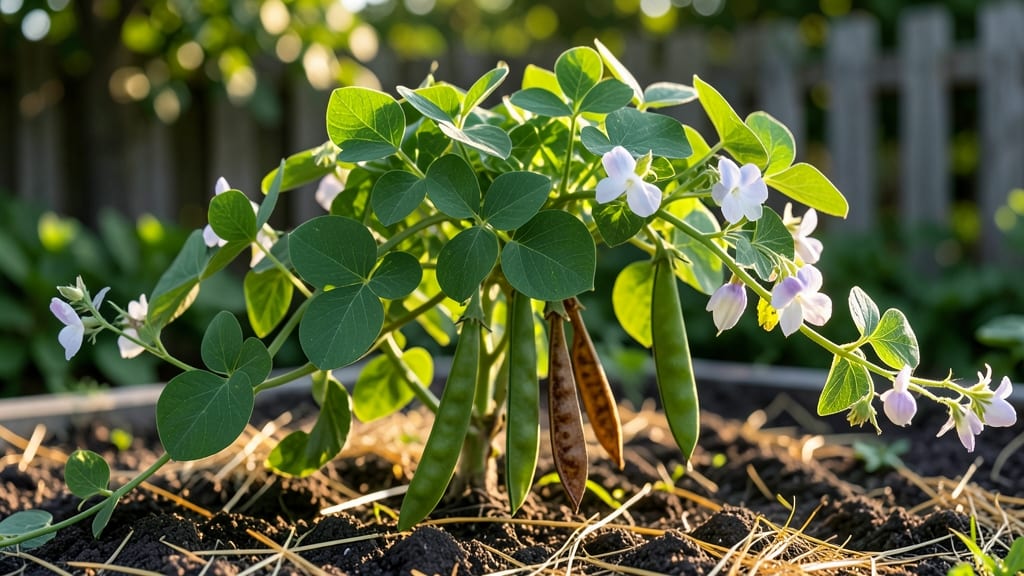
Mastering lima bean care is your first step to unlocking a secret garden treasure—those plump, buttery pods are worth every effort. 🌱 I’ve learned that thriving lima bean vines start with the right prep: loose, well-draining soil rich in organic matter and a sunny spot that gets at least 6-8 hours of sunlight daily.
The difference between a struggling plant and a productive one often comes down to these early steps, and I’ll show you exactly how to set yours up for success.
Once planted, lima beans are surprisingly low-maintenance, but they do demand consistency—especially with watering. Keep the soil evenly moist (not soggy) and watch for those telltale purple or white flowers that signal pollination is underway.
A light mulch helps retain moisture and keeps roots cool, while regular checks for pests like Mexican bean beetles or spider mites can save your harvest before it even starts.
By mid-summer, you’ll be rewarded with pods that go from tiny to golf-ball-sized in just weeks. The key to harvesting is timing: pick them when they’re firm but still tender, and you’ll avoid the mealy texture that comes from waiting too long.
With the right care, a single plant can produce pounds of beans—enough to freeze, can, or enjoy fresh all season.
Even if you’ve struggled with beans before, this method works in containers or raised beds, making it perfect for small spaces or urban gardens. Let’s get those vines climbing and those pods popping with flavor!
📚 In This Guide
- What you need
- Instructions
- Tips and common mistakes
- Wrapping up and next steps
What you need
- ● Lima bean seeds: Choose heirloom or dwarf varieties (e.g., 'Fordhook 242' or 'Christmas Lima'). Buy 20–50 seeds depending on your space.
- ● Well-draining soil: Aim for 6.0–7.0 pH, rich in organic matter. Mix in 3–4 inches of compost per planting area.
- ● Fertilizer: Use a balanced 10-10-10 or organic compost tea at planting time. Avoid high-nitrogen fertilizers later in the season.
- ● Mulch: 2–3 inches of straw or grass clippings to retain moisture and suppress weeds.
- ● Garden trowel or transplanting tool for digging holes.
- ● Watering can or hose with a gentle spray nozzle (lima beans hate soggy soil!).
- ○ Trellis or stakes (optional but helpful): Use 5–6 foot tall stakes or a wire trellis for climbing varieties.
- ○ Garden twine (optional): For securing vines to trellises.
- ● Pruning shears: To trim dead leaves or vines as needed.
- ● Sunlight: Full sun (6–8 hours daily)—no shade allowed!
- ● Temperature: Plant when soil is at least 60°F (15°C) and nights stay above 55°F (13°C).
- ● Space: 4–6 inches apart in rows (or 12–18 inches apart for bush varieties).
- ● Row covers for early planting to protect from frost.
- ● Drip irrigation system for consistent moisture.
- ● Lime or sulfur to adjust soil pH if needed.
- ● Harvest basket or scissors for easy picking.
Step-by-step guide to growing healthy lima beans
Lima beans reward patience with sweet, buttery pods—here’s how to keep your vines thriving from seed to harvest.
🌱 Step 1: Plant Seeds in Warm, Well-Drained Soil
Wait until soil reaches 65°F or warmer—lima beans refuse to germinate in cold ground. Plant seeds 1-2 inches deep, spacing them 4-6 inches apart in rows 18-24 inches apart. I like to plant in hills (groups of 3-4 seeds) for better air circulation and easier harvesting later.
Press the soil gently around each seed to ensure good contact—this prevents air pockets that delay germination. Water lightly after planting, but don’t soak the soil. Lima beans need consistent moisture, but soggy soil invites rot. You’ll see sprouts in 7-14 days when soil stays warm.
☀️ Step 2: Provide Support and Full Sun
Lima beans are heavy vines that need sturdy support. Install 5-6 foot tall trellises, stakes, or cages right after planting—you’ll thank yourself when vines reach maturity. Plant seeds near the support so vines climb naturally without bending or breaking.
Place your beans in a spot with full sun (6-8 hours daily). I’ve seen vines wilt dramatically when moved to partial shade, even after weeks of sun. Watch for leaves turning pale or yellowing—this is your signal to check for adequate light.
💧 Step 3: Water Deeply and Consistently
Keep soil evenly moist but never soggy. Water 1-2 inches per week, aiming for the base of plants rather than overhead. I water in the morning so leaves dry quickly, preventing fungal diseases like rust that love damp foliage.
Lima beans are shallow-rooted, so mulch with 2-3 inches of straw or grass clippings to retain moisture and regulate soil temperature. You’ll notice vines growing faster and staying greener when mulch keeps roots cool and hydrated.
✂️ Step 4: Harvest Regularly for Continuous Production
Start checking for pods when vines reach 4-5 feet tall. Harvest baby lima beans when pods are 2-3 inches long and tender
Leave a few pods to mature fully on the vine for seed saving. Overripe beans turn tough and leathery, so don’t let them linger. I harvest every 2-3 days during peak production—this encourages more flowers and pods to form. Keep an eye out for Mexican bean beetles, which skeletonize leaves. Handpick adults and drop them in soapy water—this works better than chemicals for small gardens. I also rotate crops yearly to prevent soil-borne diseases like bacterial blight. If you notice yellowing leaves with brown spots, prune affected foliage immediately and improve airflow by thinning vines. Healthy lima bean plants have glossy green leaves and vigorous climbing growth—any deviation signals a problem needing attention.🌿 Step 5: Watch for Pests and Diseases
Tips & tricks for perfect lima bean growth
Growing lima beans successfully comes down to a few key details that make all the difference between struggling vines and a bountiful harvest.
Soil Temperature Secret: Never rush planting—wait until soil hits that 65°F minimum. I’ve learned this the hard way after watching seeds rot in cooler soil. Use a soil thermometer if you’re unsure, especially in spring or fall. The 7-14 day germination window starts only when soil consistently stays warm!
Support System Matters: Those 5-6 foot tall trellises aren't optional! I've seen vines collapse under their own weight without proper support, leading to broken stems and lost production. Install supports right after planting so vines can climb naturally without straining. For small gardens, try the "hill method" with 3-4 seeds per mound—this improves airflow and makes harvesting easier.
Watering Wisdom: The 1-2 inches per week guideline is perfect, but timing matters just as much. Always water in the morning so leaves dry quickly, preventing fungal diseases like rust. I’ve noticed my vines stay greener and healthier when I water at the base rather than overhead. That 2-3 inches of mulch also works wonders for keeping moisture consistent.
Harvesting Hack: Those 2-3 inch pods are your sweet spot—harvest every 2-3 days during peak season to encourage continuous production. I use clean scissors to snip stems cleanly, which prevents damage to the vine. Leave just a few pods to mature for seed saving, but don’t let any linger too long—they’ll turn tough and leathery fast!
Pro Tips for Lima Bean Care
- Growing lima beans successfully comes down to a few key details that make all the difference between struggling vines and a bountiful harvest.
- Soil Temperature Secret: Never rush planting—wait until soil hits that 65°F minimum.
- Support System Matters: Those 5-6 foot tall trellises aren't optional!
Frequently asked questions
Got questions about growing lima beans? You’re not alone! Here are some of the most common concerns—plus straightforward answers to help you cultivate a thriving crop with ease.
What’s the ideal temperature range for growing lima beans?
Lima beans thrive in warm weather, so aim for soil temperatures between 60–90°F (15–32°C). They’re sensitive to frost—plant after the last frost date in your area (typically late spring or early summer). If you’re in a cooler climate, opt for smaller-seeded varieties, which germinate faster in mild conditions.
How long does it take for lima beans to mature and produce pods?
Most lima bean varieties take 70–90 days to mature, depending on the type. Bush varieties (like ‘Fordhook’) mature faster (around 70 days), while pole varieties (like ‘Henderson’) can take up to 90 days. Watch for pods to swell and turn a rich green—harvest when they’re firm but still tender for the best flavor!
Why aren’t my lima beans flowering, and how can I fix it?
Lima beans need consistent warmth, sunlight (6–8 hours daily), and proper nutrients to flower. If you’re not seeing blooms, check for:
- Cool soil: Wait until soil is warm (at least 60°F/15°C) before planting.
- Insufficient sunlight: Move plants to a sunnier spot or use grow lights.
- Over/under-watering: Keep soil consistently moist but not soggy.
- Nutrient deficiency: Add compost or a balanced fertilizer (like 10-10-10) at planting.
Can I grow lima beans in containers, and what’s the best setup?
Lima beans are great for containers, especially bush varieties. Use a pot that’s at least 12–18 inches deep and wide with drainage holes. Fill with well-draining potting mix, and add a trellis or cage for pole varieties to climb. Place in full sun and water regularly—containers dry out faster than garden beds!
What should I do if my lima bean plants get pests like aphids or bean beetles?
Pests can be a nuisance, but you can combat them naturally:
- Spray with soapy water: Mix 1 tsp mild dish soap in 1 quart of water and spray affected areas.
- Introduce beneficial insects: Ladybugs and lacewings eat aphids—buy them online or attract them with nectar-rich flowers.
- Use row covers: Lightweight fabric can block beetles while allowing sunlight and water through.
- Rotate crops: Avoid planting beans in the same spot yearly to prevent soil-borne pests.
Are lima beans easy to grow for beginners?
Yes! Lima beans are one of the easiest legumes for beginners because they:
- Fix nitrogen: They enrich the soil naturally, reducing the need for fertilizer.
- Tolerate poor soil: They grow well in average garden soil (though compost helps).
- Fast-growing: From seed to harvest is just a few months!
Wrapping up and next steps
Mastering lima bean care is all about patience, consistency, and a little green-thumbed love! 🌱 With the right soil, sunlight, and watering routine, you’ll be rewarded with vibrant vines and a bountiful harvest—perfect for fresh eating or preserving. Whether you’re a beginner or seasoned gardener, these tips will set you up for success.
Now that you’re armed with the know-how, roll up your sleeves and plant those seeds! 🌱 Start small, experiment with varieties, and enjoy the journey from sprout to harvest. Happy gardening—your future meals (and bragging rights) will thank you!