
Size
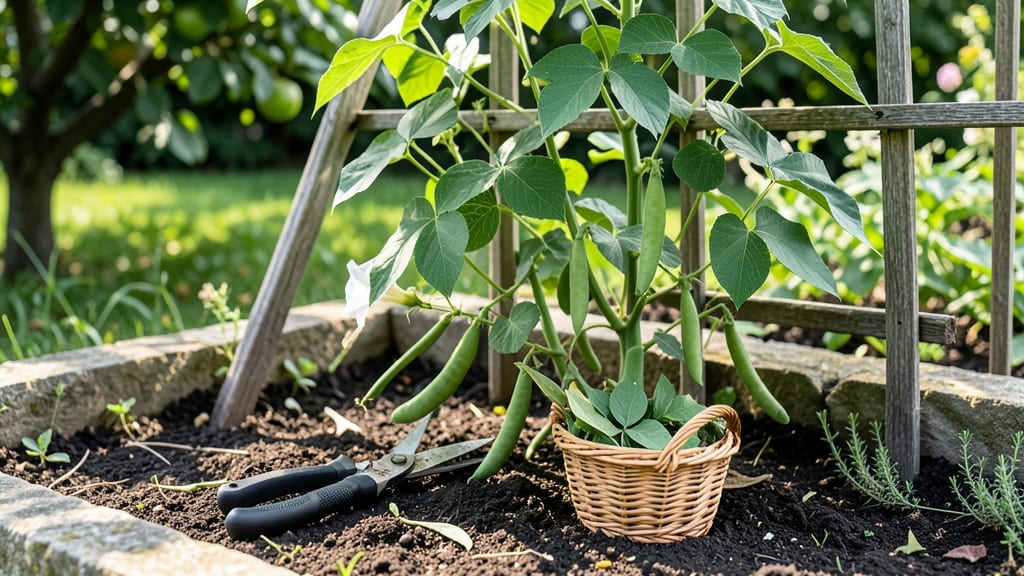
Growing lima beans usually takes 60 to 90 days from planting to harvest, with bush varieties like 'Fordhook' maturing in 60-75 days and pole varieties like 'Henderson' reaching readiness in 75-90 days. Warm soil temperatures above 60°F accelerate both germination and growth.
Your patience pays off when growing lima beans, as these legumes reward timely planting with a bountiful harvest. 🌱 The key to faster growth lies in soil warmth—ideal temperatures between 70-85°F can shave off 10-15 days from the total timeline.
Bush varieties mature quicker because they focus energy on pod production rather than climbing, while pole varieties invest in vine development first. I've found that planting after the last frost date (when soil reaches 60°F) gives the best balance between speed and yield.
For gardeners in cooler climates, consider early-maturing varieties like 'King of the Garden' which often ripens in just 60 days. These beans thrive in well-draining soil with consistent moisture, and regular harvesting encourages continuous production throughout the season.
The growth timeline can stretch slightly in high-altitude regions or during cooler summers, so always check your local frost dates when planning.
💡 In This Article
- Factors Affecting Lima Bean Growth Time
- Best Lima Bean Varieties for Fast vs. Slow Harvests
Factors affecting lima bean growth time
The growth timeline for lima beans starts with soil temperature—seeds won't germinate until the soil reaches at least 60°F, but optimal growth occurs between 70-85°F.
At cooler temperatures (55°F), germination can take 10-14 days longer, while warmer conditions (80°F+) may produce sprouts in just 5-7 days. This temperature sensitivity explains why southern gardeners often harvest 2-3 weeks earlier than northern growers.
Variety type plays the biggest role in harvest timing. Bush varieties like 'Fordhook' devote all energy to pod production, reaching maturity in 60-75 days because they don't waste resources growing vines.
In contrast, pole varieties like 'Henderson' first develop 6-8 foot vines before focusing on pods, adding 10-15 days to the timeline. The plant's growth habit directly correlates with how quickly it can allocate energy to edible pods.
Planting depth matters too—seeds should be buried only 1-2 inches deep to ensure consistent moisture without suffocating sprouts. Too shallow (½ inch) risks drying, while too deep (3 inches) delays emergence by 5-7 days.
I've noticed that proper depth combined with 1 inch of regular watering keeps germination rates above 90%, cutting down on wasted effort.
Light exposure also affects growth speed. Lima beans need 6-8 hours of direct sunlight daily to maximize photosynthesis. In shaded conditions, plants may take 10-14 days longer to mature because they can't produce enough energy for pod development.
The leaves' waxy coating reflects some light, but they still require full sun for optimal growth rates.
Nutrient availability impacts harvest timing too. Lima beans fix nitrogen in the soil, but they still need phosphorus and potassium for strong root and vine development. A balanced fertilizer (like 5-10-10) applied at planting can reduce growth time by 5-10 days by supporting faster vegetative development.
The roots' ability to access these nutrients determines how quickly the plant can shift energy to pod production.
Finally, consistent moisture levels prevent stress that slows growth. Lima beans need 1-1.5 inches of water weekly, but uneven watering can cause 3-5 day delays in maturity. The pods' thick skins protect against drought, but the plants grow faster when moisture is steady.
I've found that using drip irrigation maintains ideal conditions without overwatering, which can lead to fungal issues.