
Container Gardens
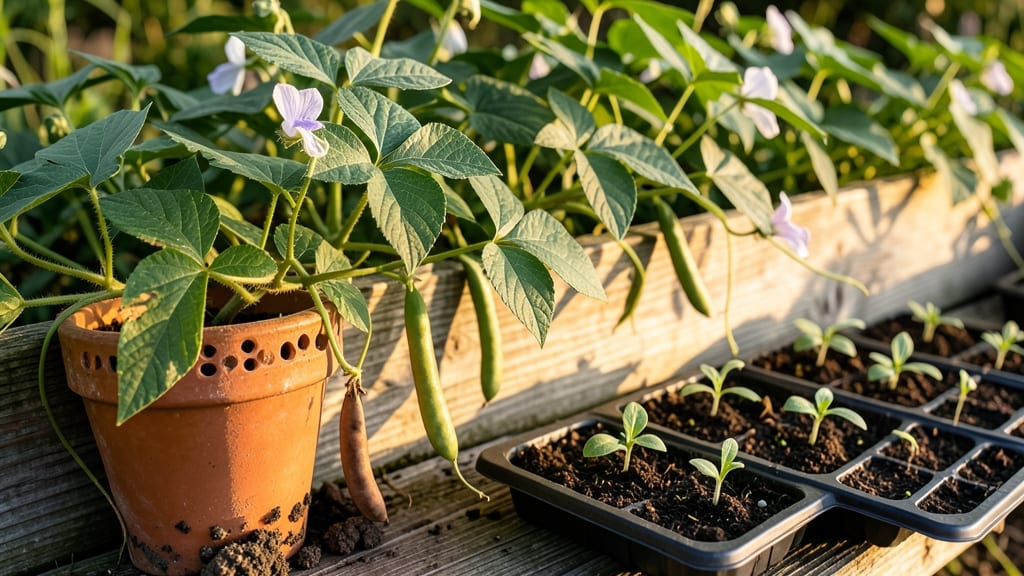
Growing lima beans in containers lets you grow these protein-rich legumes even on a balcony or patio. 🌱 I used to think they needed a sprawling garden, but my first container harvest proved me wrong—now I grow them every year in 5-gallon buckets with stunning results.
Lima beans thrive in deep containers (at least 12 inches deep) with well-draining soil rich in organic matter. Choose a spot with full sun (6+ hours daily) and plant seeds 1-2 inches deep, 3-4 inches apart.
They climb fast, so add a trellis or stakes early—my beans reach 4-5 feet by midseason.
Water consistently to keep soil moist but not soggy, and fertilize lightly with compost tea every 3 weeks. With proper care, you’ll harvest tender pods in just 60 days—perfect for stir-fries or fresh eating. The vertical growth saves space while maximizing yield.
Watch for spider mites (common in containers) and aphids—spray with neem oil if needed. My biggest mistake? Overcrowding seeds. Thin to the strongest plants early for better airflow and bigger harvests. Ready to grow your own?
📚 In This Guide
- What you need
- Instructions
- Tips and common mistakes
- Wrapping up and next steps
What you need
- ● Container(s): At least 2–3 deep containers (12–18 inches deep) with drainage holes. Options: 5-gallon buckets
- ● Fabric grow bags
- ● Large pots (10–12 inches in diameter)
- ● Window boxes (if growing pole varieties vertically)
- ● Potting Mix: High-quality, well-draining container mix (avoid garden soil—it compacts). Aim for 2–3 cubic feet per container.
- ● Lima Bean Seeds: 4–6 seeds per container (thin to 2–3 strongest plants once sprouted). Choose: Bush varieties (e.g., Fordhook 242) for compact growth
- ● Pole varieties (e.g., Henderson) if using trellises
- ○ Trellis or Support (Optional but Recommended): For pole varieties: A 5–6 ft tall trellis, cage, or sturdy stakes (bamboo or metal works best).
- ● Basic Tools: Hand trowel or small shovel
- ● Watering can or hose with gentle spray nozzle
- ● Pruners (for trimming later)
- ● Fertilizer: Balanced, slow-release fertilizer (e.g., 10-10-10) or organic options like compost or worm castings.
- ○ Mulch (Optional): Straw or shredded leaves to retain moisture and suppress weeds.
- ○ Row Cover or Mesh (Optional): Lightweight fabric to protect seedlings from pests (e.g., flea beetles).
Step-by-step instructions for growing lima beans in containers
Here's how to grow these nutrient-rich beans vertically—no sprawling vines or wasted space.
🌱 Step 1: Choose the Right Containers and Support System
Lima beans need 5-gallon minimum containers per plant since their roots grow deep. I recommend using fabric grow bags or wooden planters with drainage holes—they prevent root circling and allow excess water to escape. For vertical growth, install a 5-foot tall trellis or sturdy bamboo stake in each container before planting.
Position containers where they'll receive full sun (6-8 hours daily). Lima beans are heat-lovers, so a south-facing spot or balcony gets them the warmth they crave. I like to place mine on casters so I can roll them into shade during extreme afternoon heat—this prevents wilting without sacrificing sunlight.
🌿 Step 2: Prepare Soil and Plant Seeds
Fill containers with a mix of 60% potting soil, 30% compost, and 10% perlite for drainage. Lima beans thrive in slightly acidic soil (pH 6.0-6.8), so add a handful of sulfur if your soil tests higher. Warm the soil by placing containers in a sunny spot for 24 hours before planting—this jumpstarts germination.
Plant 2-3 seeds per container, burying them 1 inch deep and spacing them 4 inches apart. Water gently until the soil feels damp 1 inch below the surface. Cover with a clear plastic dome or plastic wrap to retain warmth and humidity. You'll see sprouts in 7-14 days—keep the soil consistently moist but never soggy during this time.
☀️ Step 3: Train Vines and Maintain Growth
Once seedlings reach 4-6 inches tall, gently tie the main stem to the trellis or stake using soft garden twine. Lima beans grow aggressively, so I check vines daily and adjust ties as they elongate. Prune any side shoots that form below the first set of true leaves—this directs energy upward and prevents bushy, unruly growth.
Water containers when the top 2 inches of soil feel dry. Lima beans are drought-sensitive, so I use a drip irrigation system to deliver water slowly at the base. Avoid overhead watering, which can spread fungal diseases like rust. Fertilize with a balanced 10-10-10 formula every 4 weeks to encourage both vine growth and pod production.
✂️ Step 4: Harvest and Encourage Continuous Production
Lima beans are ready to harvest when pods reach 4-6 inches long and feel firm to the touch. I pick them in the morning when moisture levels are lowest—this preserves their crisp texture. Use pruning shears to snip pods cleanly, leaving the vine intact. Harvesting stimulates more flowers and pods, so I check plants every 2-3 days during peak season.
After the first harvest wave, trim back any leggy vines by one-third to encourage bushier growth. This also prevents the plant from channeling all its energy into a single, unproductive vine. With proper care, a single container can produce 2-3 harvests per season, giving you fresh, homegrown beans for months.
Tips & tricks for perfect vertical lima bean growth
Here's what I've learned after growing these beans in containers for years—these tricks make all the difference in your 60-day harvest.
Container Selection: Fabric grow bags are my top pick because they allow roots to breathe and prevent the dreaded root circling that stunts growth. If using wooden planters, drill extra drainage holes along the bottom—this prevents waterlogging, which lima beans hate. I've seen containers fail when roots suffocate from poor drainage, so double-check that water flows freely after every watering.
Sunlight Strategy: Those crucial 6-8 hours of direct sunlight can be tricky in urban spaces. If your balcony only gets 4 hours of sun, position containers to catch morning sun and afternoon shade. I rotate my containers weekly to ensure even light exposure on all sides—this prevents lopsided growth where vines stretch toward the sun.
Germination Boost: The 24-hour soil warming trick works wonders, but here's the secret: place containers on a seedling heat mat set to 75°F for that final 12 hours before planting. This jumpstarts germination by 2-3 days compared to just leaving them in sunlight. I've had seeds sprout in just 5 days using this method instead of waiting for the full 7-14 day range.
Watering Wisdom: Lima beans are surprisingly drought-sensitive, so I've developed a simple test: stick your finger 2 inches into the soil. If it feels dry, water thoroughly until you see water draining from the bottom. The key is consistency—never let them wilt, but never keep them soggy either. I've lost plants to both overwatering (root rot) and underwatering (wilting), so this finger test saves me every season.
Pro Tips for Growing Lima Beans In Containers
- Here's what I've learned after growing these beans in containers for years—these tricks make all the difference in your 60-day harvest.
- Container Selection: Fabric grow bags are my top pick because they allow roots to breathe and prevent the dreaded root circling that stunts growth.
- Sunlight Strategy: Those crucial 6-8 hours of direct sunlight can be tricky in urban spaces.
Frequently asked questions
Got questions about growing lima beans in containers?
You’re not alone! Here are answers to the most common queries to help you grow a thriving vertical harvest with ease.
How deep should my container be for lima beans?
Lima beans need at least 12–18 inches of soil depth to support their roots and vines. Shallow pots (under 12") will stunt growth, while deeper containers (like 5-gallon buckets) give them room to thrive. If using vertical trellises, ensure the container’s base is sturdy—beans can get heavy!
When is the best time to plant lima beans in containers?
Start seeds 2–3 weeks after your last frost date (when soil is at least 60°F). For warm climates, plant in early spring or late summer to avoid heat stress. Lima beans are sensitive to cold—wait until nighttime temps stay above 50°F for best results.
Can I grow lima beans in hanging baskets?
Yes, but choose large, deep hanging baskets (12"+ diameter) with a sturdy trellis or cage. Dwarf or bush varieties (like ‘Fordhook’) work best in hanging setups. Ensure baskets have drainage holes and are placed where vines can climb upward—avoid overcrowding to prevent disease.
What pests should I watch for with container-grown lima beans?
Keep an eye out for bean beetles, aphids, and spider mites. Use neem oil or insecticidal soap for mild infestations. Rotate your containers yearly to disrupt pest cycles. If slugs are a problem, add a barrier of copper tape around the pot’s edge.
Why are my lima bean leaves turning yellow?
Yellow leaves often signal overwatering, nutrient deficiency, or root rot. Check soil moisture—beans prefer consistently moist (not soggy) soil. If leaves are pale, add a balanced fertilizer (10-10-10) or compost. Ensure containers drain well to prevent fungal issues.
Wrapping up and next steps
Growing lima beans in containers is a rewarding way to turn small spaces into a bountiful harvest—without sacrificing flavor or yield! 🌱 Whether you’re a beginner or a seasoned gardener, these fast-growing legumes prove that big results come in compact packages.
With the right setup, you’ll enjoy fresh, homegrown beans in just 60 days—perfect for salads, soups, or steamed sides.
Ready to take the next step? Start small—pick a sunny spot, grab your containers, and plant your first seeds this week! For even better success, share your progress with fellow container gardeners or explore other space-saving crops like pole beans or bush peas. Happy growing!