
Vegetables
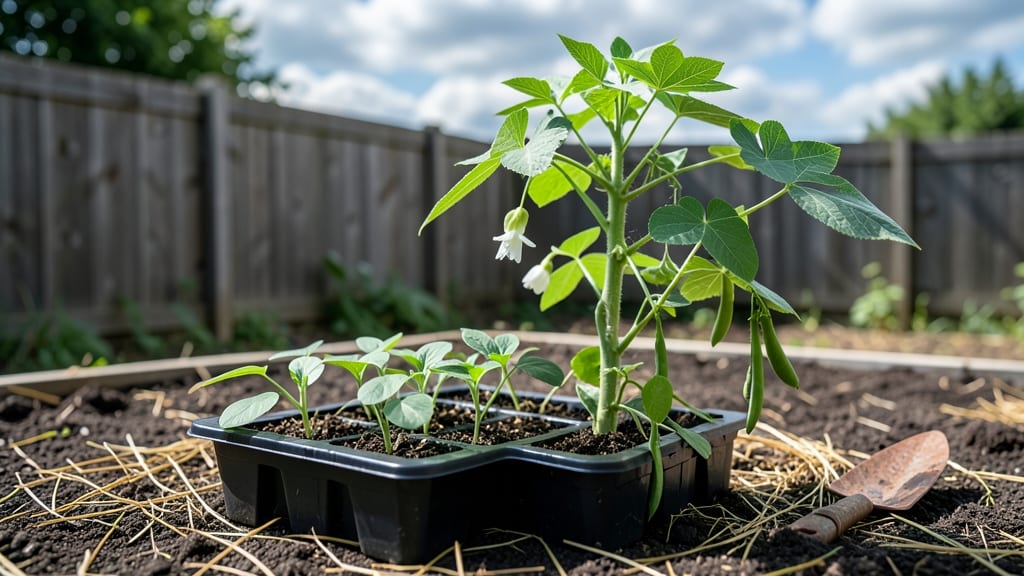
Planting edamame beans means 60-day harvests of fresh, velvety pods straight from your garden. 🌱 I’ve grown them for years, and the secret to their speed isn’t luck—it’s the right timing, soil, and a little trellis magic.
These beans thrive in warm weather but bolt fast if planted too early, so let’s nail the details before you drop a single seed in the ground.
The key ingredients are well-draining soil (think loamy and slightly acidic), a sunny spot with 6+ hours of direct light daily, and a sturdy trellis to support those fast-growing vines. Edamame needs 1-inch-deep planting with seeds spaced 4-6 inches apart in rows 18-24 inches apart.
Water them in gently—no soaking—and keep the soil consistently moist but never soggy. By day 45, you’ll see pods forming, and with proper care, you’ll harvest 2-3 times before the first frost. The beans stay tender when picked young, and the flavor? Nothing beats homegrown.
Just watch for bean beetles and powdery mildew—more on those later. Works in containers too (just use a deep pot with drainage) or in-ground beds. Ready to grow your own? Let’s get those seeds in the soil!
📚 In This Guide
- What you need
- Instructions
- Tips and common mistakes
- Wrapping up and next steps
What you need
- ● Edamame seeds: 2–3 lbs (or ~100–150 seeds per 10-foot row). Choose a fast-maturing variety like Enrei or Black Turtle Soya for trellis support.
- ● Trellis or stakes: 6–8 ft tall bamboo stakes, netting, or wire trellis (1–2 stakes per plant or 10–12 ft of netting per 10-foot row).
- ● Well-draining soil: Loamy soil with a pH of 6.0–7.5. Amend with compost (1–2 inches mixed into the top 6 inches of soil).
- ● Fertilizer: Balanced organic fertilizer (10-10-10) or compost tea. Apply at planting and again when flowers appear.
- ● Watering can or hose: With a gentle spray nozzle (edamame needs 1–2 inches of water weekly).
- ● Mulch: Straw or shredded leaves (2–3 inches thick) to retain moisture and suppress weeds.
- ● Plant markers or labels (edamame looks like weeds early on!).
- ● Row cover fabric (to protect seedlings from pests or chilly nights).
- ● Pruning shears (for trimming excess vines to encourage upward growth).
- ● Soil moisture meter (to monitor watering needs—edamame hates soggy roots!).
- ● Harvest basket or scissors (for easy pod picking!).
How to plant edamame beans for a 60-Day harvest
Here's the quick method I use to get tender, sweet edamame pods in just two months—no waiting around.
🌱 Step 1: Choose the Right Variety and Location
Pick a short-season variety like 'Black Turtle Soya' or 'Envy'—they mature in 60-70 days and thrive in warm climates. Edamame needs full sun (6-8 hours daily) and warm soil (65-85°F) to germinate. I always wait until after the last frost when nighttime temps stay above 55°F—cold snaps stunt growth.
If you're in a cooler zone, opt for a black-seeded variety like 'Dare'—they handle milder temps better. The key is planting when the soil is warm to the touch (stick your finger in—if it feels chilly, wait a week). I mark my calendar for mid-May to early June in my zone 7 garden.
🪴 Step 2: Prepare Soil and Plant Seeds Deeply
Edamame grows best in loose, well-draining soil with a pH between 6.0 and 7.0. Mix in 2 inches of compost (from your materials list) and a handful of balanced fertilizer (10-10-10) to give roots a nutrient boost. Avoid heavy clay—it smothers tender seedlings.
Plant seeds 1-2 inches deep and 4-6 inches apart in rows 18-24 inches apart. I use a small trowel to make holes just big enough for two seeds per spot—edamame has a low germination rate, so planting pairs ensures you get enough plants. Water gently after planting to settle the soil around seeds.
☀️ Step 3: Install Trellis and Support Early
Edamame vines grow 3-5 feet tall and need strong support to keep pods off the ground. I drive 5-foot bamboo stakes into the soil at each row end and stretch garden twine horizontally every 12 inches up the stakes. This creates a ladder-like trellis that guides vines upward.
Wait until seedlings are 3-4 inches tall before training them—young vines snap easily. Gently weave vines through the twine as they grow. The trellis keeps pods clean and reduces disease risk from soil-borne pathogens. You'll see first flowers in about 40 days, so have your trellis ready before then!
💧 Step 4: Water and Fertilize for Maximum Yield
Keep soil consistently moist—edamame hates drought stress. Water deeply 2-3 times per week, aiming for 1 inch of water total. I check moisture by sticking my finger 2 inches into the soil—if it's dry, it's time to water. Avoid wetting leaves to prevent fungal diseases like powdery mildew.
When first flowers appear, switch to a low-nitrogen fertilizer (5-10-10) to encourage pod development. I sprinkle ½ cup of fertilizer around each plant and water it in. Too much nitrogen makes plants leafy but podless—watch for dark green, bushy growth with few flowers.
⏰ Step 5: Harvest and Enjoy in Just 60 Days
Harvest begins when pods are firm but still green—usually 60-70 days after planting. I check plants every 2-3 days starting at day 55. Pick pods in the morning when they're cool and crisp. Use scissors or fingers to snap them off the vine—don't pull, or you'll damage the plant.
For best flavor, shell pods immediately and boil for 5-7 minutes before eating. Fresh-picked edamame tastes nothing like the store-bought kind—sweet, tender, and packed with protein. I freeze extras in 1-cup batches for quick snacks later. One plant yields about 1 pound of dried beans, so 4 plants give you plenty to share!
Tips & tricks for fast-growing edamame success
Here's what nobody tells you—these tricks will help you avoid common pitfalls and get the most out of your 60-day edamame harvest.
Variety Selection: The 60-70 day maturity window is critical for your fast harvest. If you're in a cooler climate, 'Dare' black-seeded varieties are your best bet—they tolerate temperatures down to 55°F better than green varieties. I've seen 'Black Turtle Soya' produce pods in just 58 days when planted in warm soil (85°F+), but cooler soil can push that out to 70 days. Test soil temperature with your finger—if it feels chilly, wait a week before planting.
Soil Prep Secret: The pH between 6.0-7.0 isn't just a suggestion—it's non-negotiable for proper nutrient uptake. I test my soil with a simple kit before planting, and if it's outside this range, I add sulfur to lower pH or lime to raise it. For heavy clay soil, mix in 3 inches of compost instead of the 2 inches mentioned—this improves drainage dramatically without smothering tender roots. The extra compost also gives your plants a head start on nutrients.
Trellis Timing: Don't wait until vines are 3-4 inches tall to install your trellis—set it up before planting and mark the rows clearly. I use bamboo stakes because they're sturdy and biodegradable, but you can also use metal stakes or even sturdy branches. The key is getting that trellis in place early so you're not scrambling when vines reach 3 feet tall. Pro tip: Add a few extra horizontal twine lines—vines will appreciate the extra support when pods start forming around day 40.
Harvest Hack: Those 5-7 minutes of boiling are crucial for perfect texture. I boil pods in batches of 1 cup with a pinch of salt and a splash of soy sauce for extra flavor. For freezing, spread boiled pods on a tray first to prevent clumping, then transfer to freezer bags. The morning harvest window is real—pods picked in the afternoon tend to be slightly tougher. If you can't shell them immediately, store pods in the fridge for up to 2 days before boiling.
Pro Tips for Planting Edamame Beans
- Here's what nobody tells you—these tricks will help you avoid common pitfalls and get the most out of your 60-day edamame harvest.
- Variety Selection: The 60-70 day maturity window is critical for your fast harvest.
- Soil Prep Secret: The pH between 6.0-7.0 isn't just a suggestion—it's non-negotiable for proper nutrient uptake.
Frequently asked questions
Got questions about growing edamame? You’re not alone!
Here are answers to the most common queries to help you grow lush, trellis-ready beans in no time.
When is the best time to plant edamame beans?
Edamame thrives in warm soil—plant after the last frost when temperatures stay above 60°F (15°C). In most regions, this means late spring to early summer. For cooler climates, consider starting seeds indoors 4–6 weeks before the last frost or opt for short-season varieties like Enrei or Black Turtle Soya.
How long does it take for edamame beans to grow?
From seed to harvest, edamame typically takes 60–90 days, depending on the variety. With proper care (trellising, consistent moisture, and warm temps), you can enjoy trellis-ready vines in just 60 days—perfect for small gardens! Harvest pods when they’re plump but still green (usually 70–80 days after planting).
Can I grow edamame in containers or small spaces?
Edamame is a compact, bushy plant that thrives in 5-gallon containers or raised beds. Use a dwarf variety like Murasaki and provide a small trellis (like a tomato cage) to support vines. Ensure containers have drainage holes and 6+ inches of soil depth for healthy roots.
What are common pests or problems with edamame, and how do I fix them?
Edamame attracts pests like aphids, Japanese beetles, and spider mites. Here’s how to tackle them:
- Aphids: Spray with neem oil or introduce ladybugs.
- Japanese beetles: Handpick early in the morning or use row covers.
- Fungal issues (e.g., powdery mildew): Improve airflow, avoid overhead watering, and treat with baking soda spray (1 tsp baking soda + 1 quart water).
Rotate crops yearly to prevent soil-borne diseases.
Do edamame beans need full sun?
Yes! Edamame requires 6–8 hours of direct sunlight daily for optimal growth. While they can tolerate partial shade, pods may yield smaller or fewer beans. If your garden is shady, choose a south-facing spot or supplement with a grow light for container plants.
Pro Tip:
For sweeter pods, harvest edamame early in the morning when sugars are highest. And if you’re short on space, try interplanting edamame with shallow-rooted veggies like lettuce or radishes!
Wrapping up and next steps
Planting edamame beans is a rewarding journey—whether you're a beginner or a seasoned gardener!
With just a little patience and the right conditions, you can enjoy homegrown, trellis-ready pods in just 60 days. 🌱 Start small, experiment with varieties, and soon you’ll be harvesting fresh, protein-packed edamame straight from your garden.
Ready to take the next step? Grab your seeds, mark your calendar, and get planting! Once your edamame thrives, why not try preserving the harvest or sharing your bounty with friends? Happy growing! 🌟