
Vegetables
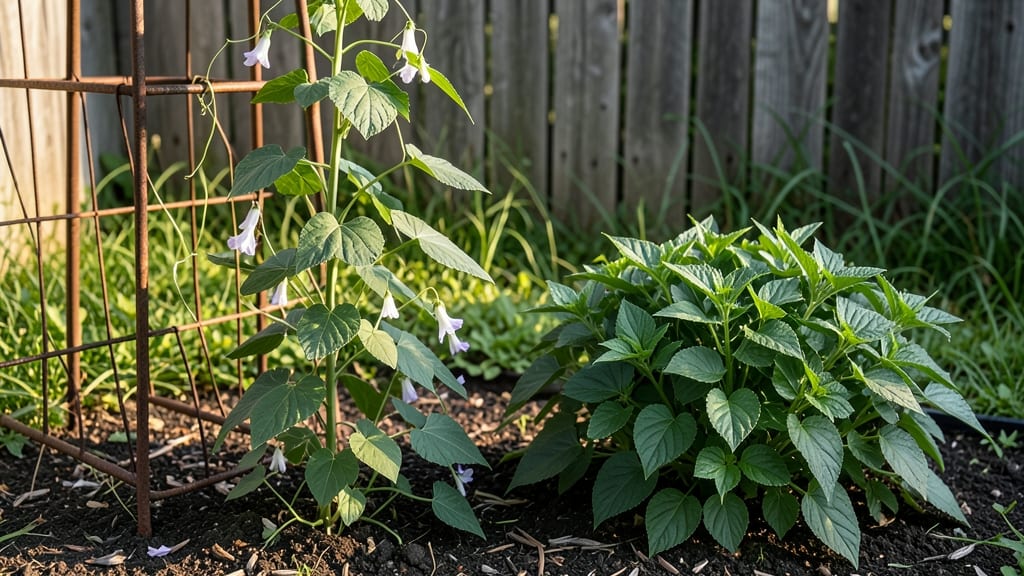
String beans and green beans aren’t just two names for the same plant—one climbs like a vine while the other stays neatly bushy. 🌿 I’ve grown both for years, and the difference in space, care, and harvest size is night and day.
The choice depends on your garden layout, time, and whether you want a quick harvest or a steady supply all summer.
String beans (pole beans) need a trellis or fence to climb, turning a small corner of your yard into a vertical feast. They produce longer but thinner pods, and you’ll keep picking for weeks as the vines keep growing.
The trade-off? You need to train them early or risk tangled messes. My Kentucky Wonder plants still produce when my bush beans have long since petered out.
Green beans (bush beans) are the set-it-and-forget-it champions—no trellis, no fuss. They grow in neat, compact bushes and deliver a heavier harvest all at once, perfect for canning or freezing. The pods stay plump and sweet when picked young, but they stop producing after 6-8 weeks unless you replant.
My Blue Lake beans give me a mountain of fresh green beans in just 45 days.
Pick string beans for small spaces or vertical gardens, and choose bush beans if you want a quick, heavy harvest with minimal upkeep. Both thrive in full sun and well-drained soil—just match the variety to your goals. Here’s how to maximize each type’s potential in your garden.
The first product explained
Let’s kick things off with the string bean—a gardener’s dream for its ease of growth, versatility, and seriously satisfying harvests! 🌱😋 Known scientifically as Phaseolus vulgaris, string beans (or "pole beans" when grown on trellises) are a staple in home gardens thanks to their fast-growing cycle (50-60 days to maturity) and minimal fuss.
They’re the perfect choice for beginners and busy gardeners alike, offering high yields with low maintenance.
🌿 Key Specs & Features
- Growth Habit: Bush varieties (compact, 1-2 ft tall) or pole varieties (climbing, 6-10 ft tall). Pole beans save space and produce longer!
- Color Palette: Classic green, but also purple, red, or yellow—great for adding visual flair to your garden. 🌈
- Flavor Profile: Sweet, tender, and slightly crisp when harvested young (pick pods before they bulge!). Overripe beans get tough and stringy—hence the name!
- Yield Potential: Expect 2-4 lbs per plant for bush beans and even more for pole beans (up to 6 lbs!).
- Climate Needs: Thrives in warm weather (70-85°F) and full sun (6+ hours/day). Avoid planting until soil temps hit 60°F+.
🎯 Who’s This For?
String beans are a crowd-pleaser for:
- 🌱 Beginners: Hardy, forgiving, and easy to grow—ideal for first-timers!
- 🏡 Small-Space Gardeners: Pole beans are perfect for vertical gardening (trellises, cages, or fences).
- 🍽️ Home Cooks & Snackers: Fresh, canned, or frozen—string beans shine in salads, stir-fries, or steamed as a side.
- 🐝 Eco-Friendly Gardeners: They fix nitrogen in the soil, reducing the need for fertilizers.
💰 Price Point & Value
When starting from seeds, string beans are budget-friendly—typically $2–$5 per packet (20–30 seeds). Transplants (if available) run $2–$4 each. The real value? One packet can yield enough beans to feed a family for months! Plus, homegrown beans taste far superior to store-bought, with no pesticides or preservatives. 💪
Ready to dive in? String beans are your gateway to effortless gardening success—let’s get those seeds in the ground! 🌱🚀
The second product explained
Meet the green bean—the classic, crunchy superstar of the garden and kitchen! 🌱🥦 Whether you're a backyard gardener or a home cook craving fresh, homegrown goodness, green beans are a versatile and rewarding choice. Let’s dive into why they’re a staple for so many and how they stack up against their stringy cousins.
📏 Specs & Features
Green beans (specifically Phaseolus vulgaris) come in two main varieties: bush beans (compact, easy to grow) and pole beans (vining, requiring trellises but producing more yield). Here’s what makes them shine:
- Growth Habit: Bush beans mature in 50–60 days; pole beans take 60–80 days but keep producing all season.
- Size & Shape: Slender, flat pods (1.5–3 inches long) with a crisp texture and mild, sweet flavor.
- Color Options: Classic green, but also purple, yellow, or striped varieties for visual flair!
- Yield: Bush beans produce 2–4 lbs per plant; pole beans can yield up to 10 lbs with proper care.
🎯 Target Users
Green beans are the crowd-pleaser of the vegetable world, ideal for:
- 👩🌾 Beginner gardeners—easy to grow, forgiving, and fast to harvest.
- 🍽️ Home cooks—perfect for stir-fries, salads, roasting, or canning.
- 🌍 Sustainable eaters—low-maintenance, nitrogen-fixing (boosts soil health!).
- 🏡 Small-space growers—bush varieties thrive in containers or tight plots.
💰 Price Point & Value
Green bean seeds are budget-friendly, typically costing:
- $2–$5 per packet (50–100 seeds) for heirloom or hybrid varieties.
- Organic seeds may run $5–$8 but offer disease resistance and unique flavors.
- Pro Tip: 💡 Buy in bulk or save seeds from your harvest—green beans self-seed easily!
For maximum value, pole beans win with their higher yield per square foot, while bush beans offer quick gratification for impatient gardeners. Either way, you’re getting a nutrient-packed, flavorful harvest for pennies!
Head-to-head comparison
Now that we’ve explored the unique characteristics of string beans and green beans, let’s dive into a detailed side-by-side comparison to help you decide which one suits your garden—and your taste buds—best!
Whether you're prioritizing ease of growing, flavor, or yield, this breakdown will guide you through the key differences.
🌱 Growth Habits & Plant Structure
If you’re dreaming of a lush, productive garden, the way these beans climb or sprawl can make a big difference in how much space they’ll need—and how much work you’ll put in.
- String Beans (Pole Beans):
- 🌿 Climbing vines that can grow 6–10 feet tall with proper support (think trellises, stakes, or fences).
- 🔄 Perennial in warm climates (though often grown as annuals).
- 🌍 Compact root systems mean they’re great for small gardens or vertical farming.
- Green Beans (Bush Beans):
- 🌿 Bushy, low-growing plants (typically 1–2 feet tall) that spread outward.
- 🌱 Annual plants that produce all their beans in one growing season.
- 🏡 Spreads wider (up to 2 feet across), requiring more ground space.
Winner for space-saving? String beans take the cake if you’re working with limited square footage. Bush beans are better for larger plots or container gardens where height isn’t a concern.
🍽️ Flavor & Culinary Uses
From buttery tenderness to crisp snap, these beans bring different textures and flavors to the table. Here’s how they stack up in the kitchen!
- String Beans:
- 🌶️ Milder, slightly sweet flavor with a tender-crisp texture when harvested young.
- 🍲 Versatile in cooking: Stir-fries, soups, salads, or even grilled with a sprinkle of garlic and lemon.
- 🌱 Longer pods (4–8 inches) make them ideal for snacking fresh or slicing into dishes.
- Green Beans:
- 💥 Slightly earthier, more robust flavor with a crunchier bite (especially when underripe).
- 🍴 Classic uses: Steamed, roasted, or served al dente in pasta dishes. Their shorter pods (2–6 inches) work well for whole-bean recipes.
- 🌿 Holds up better when cooked, making them a favorite for hearty meals.
Winner for flavor lovers? It’s a tie—but if you crave sweetness and versatility, go for string beans. If you prefer bold, crunchy texture, green beans are your match.
📅 Growing Season & Harvest Time
Timing is everything in gardening! These beans have different preferences when it comes to planting, growing, and harvesting.
| Factor | String Beans | Green Beans |
|---|---|---|
| Planting Time | 🌱 Warm-season crop (plant after last frost when soil is at least 60°F). | 🌱 Warm-season crop (also planted post-frost, but slightly more cold-tolerant than string beans). |
| Days to Maturity | 📅 50–70 days (varies by variety). | 📅 45–60 days (typically faster than string beans). |
| Harvest Window | ⏳ Extended harvest (beans appear gradually over weeks as vines grow). | ⏳ Shorter, concentrated harvest (most beans mature within 2–3 weeks). |
| Lifespan | 🌿 Produce beans for months if supported and cared for. | 🌿 One-and-done harvest (plants die back after producing). |
Winner for long-term harvests? String beans win here—you’ll enjoy a steady supply all season long. Green beans are better for quick, abundant harvests in a shorter window.
💰 Cost & Maintenance
Let’s talk budget and effort! These beans differ in startup costs, upkeep, and potential yields.
- String Beans:
- 💵 Higher initial cost (requires trellises, stakes, or cages, which can add up).
- ⏳ More hands-on care (needs regular pruning and support to climb).
- 🌱 Higher yield per plant (one pole can produce 5–10 lbs of beans in a season!).
- Green Beans:
- 💵 Lower startup cost (no need for supports; just direct sow or transplant).
- ⏳ Low maintenance (once planted, they thrive with minimal intervention).
- 🌱 Moderate yield (each bush produces 2–4 lbs, but you’ll need more plants for bulk).
Winner for beginners? Green beans are the easier, more budget-friendly choice. String beans are ideal if you’re up for a long-term investment with bigger rewards.
🛡️ Pests & Diseases
No garden is pest-free, but some beans are tougher than others when it comes to staying healthy.
- String Beans:
- 🐜 Susceptible to:
- Japanese beetles (love chewing on leaves and pods!).
- Bean beetles (lay eggs in soil, leading to wilted or stunted plants).
- Fungal diseases (like rust or powdery mildew
Which one should you choose?
So, which bean reigns supreme in your garden—or your plate? The choice between string beans and green beans depends on your priorities, whether it’s flavor, yield, ease of care, or culinary versatility. Let’s break it down to help you decide!
🌱 Pick String Beans If...
- You want a classic, sweet flavor 🌿—string beans are often considered the gold standard for fresh-picked taste.
- You’re growing for fresh eating or freezing ❄️—their tender texture holds up well when blanched and frozen.
- You prefer bush varieties for small spaces 🏡—many string bean types (like 'Blue Lake') thrive in compact gardens.
- You’re okay with a little extra prep ✂️—removing strings is a small trade-off for their superior flavor.
🌿 Pick Green Beans If...
- You prioritize convenience and speed ⏱️—no strings mean quicker prep and fewer steps in the kitchen.
- You’re growing for canning or long-term storage 🥫—their firmer texture holds up better in jars.
- You want a lower-maintenance harvest 🌱—green beans often produce prolifically with minimal fuss.
- You’re feeding a family or hosting guests 👨👩👧👦—their consistent yield means more beans for everyone.
💡 Pro Tip for Hybrid Growers
Why not try both? Many gardeners plant a mix of string beans (for fresh eating) and green beans (for canning or freezing). Rotate crops to maximize space and harvest variety!
📊 Final Verdict
If you’re a flavor purist, go for string beans—their sweetness and texture are unmatched. If you’re all about ease and versatility, green beans are the winner. For the best of both worlds, grow them side by side and enjoy the flexibility!
Ready to plant? Grab your seeds, mark your calendar, and get growing—your future meals (and taste buds) will thank you! 🌱🍽️
- 🐜 Susceptible to: