
Vegetables
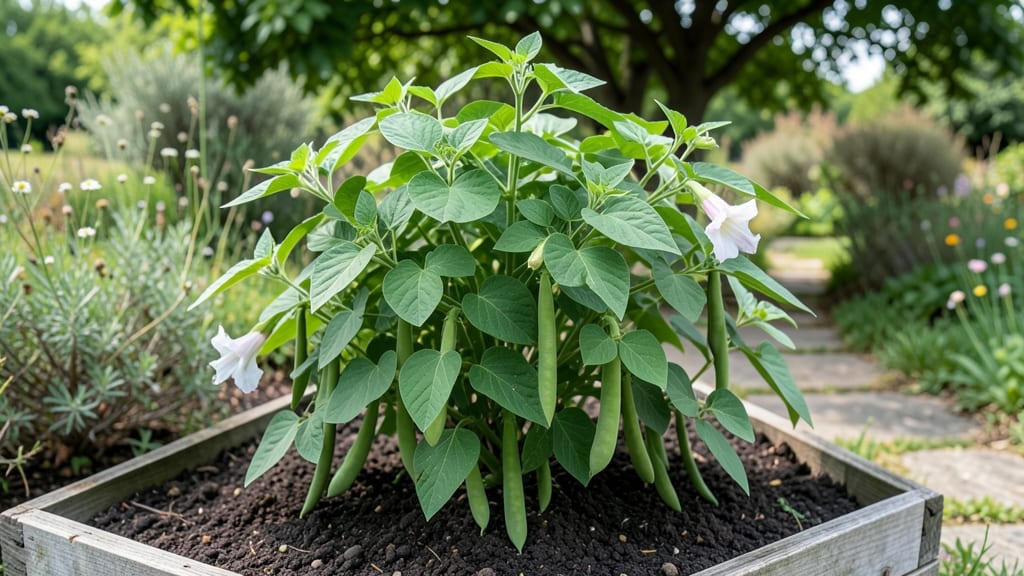
Stringless French beans are the game-changer for small gardens—no strings to snap, just tender pods that snap cleanly right off the vine. 🌱 I’ve grown them for years, and they’re the only bean variety my kids actually eat (no shelling required!).
The secret lies in their compact growth habit and delicate flavor, which makes them perfect for trellises or even small containers.
These beans thrive in well-draining soil with plenty of organic matter—think compost mixed into the top 6 inches. Plant them after the last frost when soil temperatures hit 60°F, spacing seeds 2-3 inches apart with rows 18 inches apart.
A sturdy trellis or pole keeps vines upright, saving space and making harvests easier. Water consistently to keep soil moist but never soggy, as soggy soil invites fungal diseases.
You’ll start seeing flat, 3-4 inch pods in about 50 days, and the flavor peaks when pods are crisp but still tender. Harvest regularly to encourage more production—these beans don’t store well, so treat them like a fresh snack.
The pods are so delicate that shelling isn’t even an option; you’ll be popping them straight into salads, stir-fries, or steamed dishes.
Watch for Mexican bean beetles and spider mites, which love these tender plants. A strong spray of water usually knocks pests off, and companion planting with nasturtiums deters beetles naturally. With proper care, you’ll enjoy a steady harvest all season long—no fuss, just flavor.
📚 In This Guide
- What you need
- Instructions
- Tips and common mistakes
- Wrapping up and next steps
What you need
- ● Seeds: 1–2 packets of stringless French bean seeds (e.g., 'Contender,' 'Blue Lake,' or 'Mascotte'). Choose heirloom or disease-resistant varieties for best results.
- ● Growing Containers: 1–2 deep pots (12–18 inches) or raised beds (if gardening in-ground). Ensure they have drainage holes!
- ● Potting Mix: 5–10 gallons of high-quality, well-draining organic soil mix (add perlite or compost for extra nutrients).
- ○ Support Structures: Trellis or Cage: 1–2 lightweight, freestanding bamboo stakes (5–6 ft tall) or a A-frame trellis (optional but helps save space).
- ● Twine or Netting: 1 small spool of biodegradable twine (if using stakes for guidance).
- ● Fertilizer: 1 cup of balanced organic fertilizer (5-5-5 or compost tea) or slow-release granules.
- ● Watering Can or Hose: With a gentle spray nozzle for even moisture.
- ● Mulch (straw or shredded leaves) to retain soil moisture.
- ● Plant markers to track varieties (if growing multiple types).
- ● Shade cloth (30–50%) for hot climates to protect young plants.
- ● Pest deterrents: Neem oil or row covers for aphids/beetles.
How to grow stringless French beans in compact gardens
Here's the method I use to grow these tender, flavorful beans without taking over your space.
🌱 Step 1: Choose the Right Location and Prepare Soil
Stringless French beans thrive in full sun—at least 6-8 hours daily. If your garden gets only partial sun, pick a spot that gets the most light possible. I always test the soil first by squeezing a handful—if it crumbles easily, it's ready. If it sticks together, mix in 2-3 inches of compost to loosen it up.
These beans prefer well-draining soil with a pH between 6.0-7.0. A simple soil test kit (available at garden centers) helps confirm this. If your soil is heavy clay, amending with 1 part sand to 3 parts soil improves drainage. Work the amendments into the top 12 inches of soil—this gives roots plenty of room to spread without competing for nutrients.
☀️ Step 2: Install Support Structures Early
Since these are pole-friendly varieties, set up your support system 1-2 weeks before planting. I use 5-foot tall bamboo stakes or a simple 4-foot tall trellis for small gardens. Drive stakes 6 inches deep into the ground, spacing them 18-24 inches apart in rows. For a trellis, attach it securely to a fence or use heavy-duty garden stakes to anchor it.
Here's the thing—don't wait until the plants are tall to add support. Young vines are fragile and can snap under their own weight. I like to weave jute twine horizontally between stakes to create a ladder for the beans to climb. This also saves space by keeping vines off the ground, where they're more prone to pests and rot.
🌱 Step 3: Plant Seeds at the Right Depth and Spacing
Sow seeds 1 inch deep and 2-3 inches apart in rows that are 18-24 inches apart. For compact gardens, you can stagger seeds in a grid pattern instead of rows—this maximizes space while still giving plants room to grow. I plant 4-5 seeds per stake to ensure at least one strong plant per support.
Wait until the soil is at least 60°F before planting—cold soil slows germination and can cause seeds to rot. After planting, water gently but thoroughly to settle the soil around the seeds. Keep the soil consistently moist (not soggy) until germination, which usually takes 7-14 days. You'll know it's working when you see the first true leaves—these look like small, pointed ovals, not the initial round seed leaves.
💧 Step 4: Water and Fertilize for Consistent Growth
French beans need 1-1.5 inches of water weekly, but they hate soggy roots. I water deeply in the morning, aiming for the base of the plants rather than overhead. This prevents fungal diseases like rust, which can devastate your harvest. Mulch around plants with 2-3 inches of straw or grass clippings to retain moisture and suppress weeds—this also keeps soil temperatures stable.
Feed plants with a balanced fertilizer (10-10-10) when they're 6 inches tall, then again when flowers appear. Too much nitrogen makes plants leafy but produces few beans. I mix a handful of fertilizer into the soil around each plant, then water it in. Watch for yellowing leaves—this usually means the plants need more nitrogen, but it can also signal overwatering or poor drainage.
✂️ Step 5: Prune and Harvest for Maximum Yield
Pinch off any side shoots that form below the first 6 inches of the main stem—this encourages energy to go into producing beans higher up. I also remove any yellow or diseased leaves immediately to prevent spread. When beans reach 4-6 inches long, they're ready to pick. Harvest every 2-3 days to encourage more production—overripe beans become tough and stringy, even in stringless varieties.
Here's a trick I learned: Pick in the morning when beans are crisp and full of flavor. Use sharp scissors or pruners to cut stems just above the bean—this prevents damage to the plant. If you see pods forming but not growing, your plants might need more water or phosphorus. A quick side-dressing of bone meal (high in phosphorus) can boost flowering and fruiting.
Tips & tricks for growing stringless French beans in small spaces
These simple strategies will help you maximize your harvest without sacrificing quality or space.
Sunlight Strategy: If your garden only gets partial sun, position your support structures to capture the sunniest hours first. I've found that even 4-5 hours of direct sunlight can produce decent yields if you rotate plants weekly to follow the sun's path. For true compact growing, consider placing your trellis near a south-facing wall or fence—this can extend effective sunlight exposure by reflecting light back onto the plants.
Soil Prep Hack: Before amending heavy clay soil with the 1 part sand to 3 parts soil mix, I recommend adding a handful of perlite or vermiculite to the mix. These lightweight additives improve aeration without changing the soil structure dramatically. The key is working these amendments into the top 12 inches of soil thoroughly—don't just scratch them in. I use a broadfork to loosen compacted layers first, then mix in the amendments.
Support System Upgrade: While bamboo stakes work perfectly, I've found that powder-coated metal trellis netting lasts longer and provides better support for heavy bean production. For extra stability in windy areas, anchor your trellis with U-shaped ground stakes every 4 feet. The horizontal jute twine ladder works great, but if you're dealing with aggressive vines, consider adding a second layer of twine about 18 inches above the first to prevent overcrowding at the base.
Germination Boost: To ensure your seeds germinate within the 7-14 day window, I soak them overnight in lukewarm water before planting. This hydrates them fully and can speed up germination by 2-3 days. After soaking, plant immediately and keep the soil consistently moist—never soggy. If you're planting in cooler conditions (just above 60°F), consider using a seedling heat mat under your seed tray for the first 5-7 days to maintain optimal germination temperatures.
Pro Tips for Stringless French Beans
- These simple strategies will help you maximize your harvest without sacrificing quality or space.
- Sunlight Strategy: If your garden only gets partial sun, position your support structures to capture the sunniest hou...
- Soil Prep Hack: Before amending heavy clay soil with the 1 part sand to 3 parts soil mix, I recommend adding a handfu...
Frequently asked questions
Got questions about growing stringless French beans?
You’re not alone! Here are answers to the most common queries to help you cultivate a thriving harvest—even in small spaces.
What’s the difference between stringless and traditional French beans?
Stringless French beans (like ‘Contender’ or ‘Blue Lake’ varieties) don’t require trellises or poles to climb—they grow upright or bush-style, saving space and effort. Traditional beans often need staking to avoid sprawling. Stringless types are perfect for containers or small gardens!
How long does it take for stringless beans to mature?
Most stringless varieties mature in 50–60 days from planting, depending on the cultivar and growing conditions. Check seed packets for exact timelines—some early varieties (like ‘Mascotte’) may be ready in as little as 45 days!
Can I grow stringless beans in containers?
Stringless beans thrive in 5-gallon pots or deeper containers (at least 12 inches deep) with well-draining soil. Just ensure they get 6–8 hours of sun daily and support them lightly if they flop. Varieties like ‘Blue Lake Bush’ are container-friendly superstars!
What pests should I watch for, and how do I prevent them?
Common pests include bean beetles, aphids, and spider mites. Prevent issues by:
- Rotate crops yearly to avoid soil-borne pests.
- Use row covers early in the season to deter flying insects.
- Handpick beetles (drop them in soapy water) or spray with neem oil.
Are stringless beans as tasty as pole beans?
Yes! Stringless beans are just as flavorful—crisp, tender, and sweet when picked young. The main difference is convenience: no strings to trim! For the best taste, harvest when pods are 4–6 inches long and snap easily. Pro tip: ‘Dragon Tongue’ beans offer a fun purple hue that fades to green when cooked!
Wrapping up and next steps
Growing stringless French beans is a game-changer for small gardens—no poles, no fuss, just delicious, tender pods! These compact varieties pack all the flavor and nutrition of traditional beans while saving space and effort.
Whether you're a beginner or a seasoned gardener, their low-maintenance charm makes them a must-try for bountiful harvests.
Ready to dive in? Start by choosing your favorite variety, prepping your soil, and planting those seeds—your future crunchy, protein-rich snacks are just weeks away! 🌱