
Vegetables
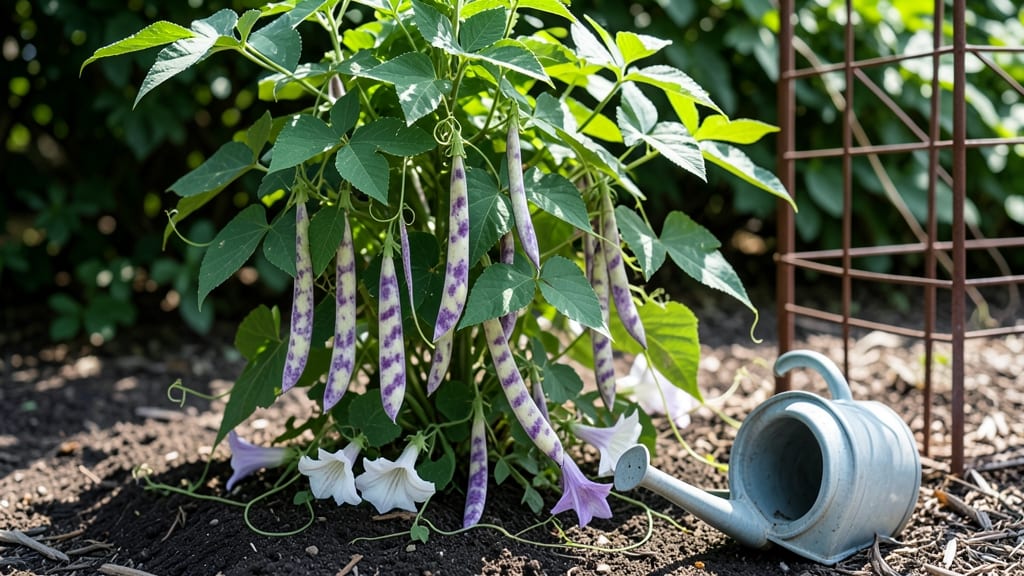
Growing Tiger Eye beans means watching striped pods climb your trellis faster than you can say "summer harvest." 🌱 These beans aren't just pretty—they're a pole-climbing powerhouse that transforms bare garden corners into lush, productive vines within weeks.
The secret starts with soil rich enough to fuel that growth, but don't worry if your dirt isn't perfect yet. I'll show you how to prep it right, even if you're working with what you've got.
You'll need 5-foot-tall trellises (or taller if you're ambitious) and a sunny spot that gets at least 6 hours of direct light daily. Tiger Eye beans thrive when their vines have something sturdy to cling to—think bamboo stakes, chicken wire, or even a sturdy fence.
The pods themselves are the star, with those signature bold stripes that make them a conversation piece in the kitchen or garden. Plant seeds 1 inch deep and 3-4 inches apart, then watch them sprout in about a week.
Water consistently to keep the soil moist but not soggy, and you'll see those vines shoot up 10-12 inches per week under ideal conditions. The real magic happens when the pods form—8-10 weeks after planting—and you'll be harvesting 3-4 inches of striped beauty at their peak.
These beans are also disease-resistant, so you won't spend your summer fighting off pests like you might with other varieties.
Here's the best part: once you master Tiger Eye beans, you can experiment with other pole beans like Kentucky Wonder or Scarlet Runner. They all share that same vertical growing habit, so the skills translate easily.
Start small this year, and by next summer, you'll have a trellis full of stripes—and maybe even some neighbor jealousy. Let's get those seeds in the ground!
📚 In This Guide
- What you need
- Instructions
- Tips and common mistakes
- Wrapping up and next steps
What you need
- ● Tiger Eye bean seeds – 10-20 seeds (choose organic or heirloom for best results).
- ● Pole or trellis system – 5-6 ft tall (bamboo, metal, or sturdy wooden stakes work well).
- ● Well-draining potting mix or garden soil – Rich in compost (avoid heavy clay).
- ● Containers or garden bed – 6-inch deep (if container-grown, ensure drainage holes).
- ● Watering can or hose with gentle spray – Keep soil moist but not soggy.
- ● Garden gloves – To protect hands while planting.
- ○ Seed-starting tray (optional) – For early indoor sprouting (if in a cooler climate).
- ● Organic fertilizer (balanced NPK) – 5-10-5 ratio, applied every 3-4 weeks.
- ● Mulch (straw or grass clippings) – Helps retain moisture and suppress weeds.
- ● Plant ties or twine – To gently guide vines up the trellis.
Step-by-step instructions for growing Tiger Eye beans
Here's how to cultivate these striking, fast-growing climbers with their signature zebra-striped pods.
🌱 Step 1: Choose and Prepare Your Planting Site
Tiger Eye beans thrive in full sun with at least 6-8 hours of direct light daily. Select a spot where they can climb a sturdy trellis or fence—these beans grow 6-10 feet tall in a single season, so secure your support structure before planting. I always choose a location near a fence or install a 5-6 foot tall trellis to maximize vertical space.
Test your soil for drainage—tiger eyes hate soggy roots. Amend heavy clay with 2-3 inches of compost mixed into the top 6 inches of soil. The ideal pH range is 6.0-7.0. You'll know your soil is ready when it crumbles easily between your fingers and holds moisture without becoming waterlogged.
🌱 Step 2: Plant Seeds at the Right Depth and Spacing
Sow seeds 1 inch deep and 4-6 inches apart in rows spaced 18-24 inches apart to allow airflow and easy harvesting. I plant mine along the base of my trellis for natural climbing support. For cooler climates, wait until after the last frost when soil reaches 60°F—seeds won't germinate below 55°F.
Plant 2-3 seeds per spot and thin to the strongest seedling after germination. This ensures you won't have gaps in your vertical display. Water gently after planting to settle the soil around the seeds. You'll see sprouts in 7-14 days, depending on soil warmth.
☀️ Step 3: Provide Consistent Water and Trellis Support
Keep soil evenly moist but not soggy—1 inch of water per week is ideal. I water deeply in the morning so foliage dries quickly, reducing disease risk. Mulch with 2-3 inches of straw or shredded leaves to retain moisture and suppress weeds. You'll notice vigorous vine growth within 3-4 weeks—this is when you'll need to guide the plants onto the trellis.
Gently wrap the main vines around the trellis supports as they grow. Tiger Eye beans climb aggressively, so regular guidance prevents tangling. If you notice leaves yellowing at the base, it's often a sign of overwatering—let the top 2 inches of soil dry out between waterings.
🌿 Step 4: Fertilize and Maintain for Maximum Yield
Side-dress with 2-3 tablespoons of 5-10-10 fertilizer when vines reach 3 feet tall and again when flowers appear. I use a slow-release organic fertilizer to avoid burning tender roots. These beans are heavy feeders, so consistent nutrition produces the boldest stripe patterns in the pods.
Watch for pests like Mexican bean beetles or aphids. I handpick beetles in the morning and spray with soapy water for aphids. You'll know harvest is near when pods develop their signature white and purple stripes and reach 4-6 inches in length. Harvest regularly to encourage more production—pods lose their sweetness as they mature.
⏰ Step 5: Harvest and Prepare for Winter
Pick pods when they're 4-6 inches long for the best flavor and stripe visibility. I harvest every 2-3 days during peak production to keep plants motivated. Use sharp scissors to snip pods cleanly from the vine to avoid damaging the plant.
When frost threatens, pull up the entire plant (roots and all) and compost it. The vigorous growth cycle ends with frost, but you can save seeds from dried pods for next year. Store seeds in a cool, dry place until your next planting season—tiger eyes are easy to grow from saved seed.
Tips & tricks for growing Tiger Eye beans
Took me a while to figure these out, so here's how I make sure my Tiger Eye beans grow into those showstopping striped climbers every time.
Sunlight Strategy: Those 6-8 hours of direct sun are non-negotiable for the boldest stripe patterns. I've found that morning sun (6am-12pm) gives the most intense colors—afternoon shade can dilute the stripes. If your garden gets less than 6 hours, consider using a reflective surface like white plastic sheeting on the north side to bounce extra light onto the plants.
Trellis Training: Don't wait until the plants are 3-4 weeks old to start training them—begin guiding the main vines onto the trellis as soon as they reach 12 inches tall. I use soft garden twine to gently tie the vines to the trellis every 2-3 feet, which prevents the aggressive climbing from causing tangles. This also creates that dramatic vertical display you see in garden photos.
Watering Wisdom: The 1 inch per week guideline works, but timing matters more than you'd think. Water in the morning when the sun is low—this prevents fungal diseases that thrive in damp foliage. I've learned the hard way that evening watering leads to yellowing leaves and slower growth. Also, let that top 2 inches of soil dry between waterings to prevent root rot, especially in cooler weather.
Fertilizer Timing: Those 2-3 tablespoons of 5-10-10 fertilizer at 3 feet and again at flowering are crucial, but here's what I do differently: I mix the fertilizer with a handful of compost when side-dressing. This gives the plants a slow-release boost while preventing fertilizer burn. The compost also helps maintain that ideal 6.0-7.0 pH range without additional amendments.
Pro Tips for Tiger Eye Beans
- Took me a while to figure these out, so here's how I make sure my Tiger Eye beans grow into those showstopping striped climbers every time.
- Sunlight Strategy: Those 6-8 hours of direct sun are non-negotiable for the boldest stripe patterns.
- Trellis Training: Don't wait until the plants are 3-4 weeks old to start training them—begin guiding the main vines onto the trellis as soon as they reach 12 inches tall.
Frequently asked questions
Got questions about growing tiger eye beans?
You’re not alone! Here are answers to the most common queries about these striking, fast-growing climbers—from planting to harvest.
How long does it take for tiger eye beans to germinate and mature?
Tiger eye beans typically sprout within 5–10 days after planting, depending on soil warmth and moisture. From seed to harvest, expect 60–80 days—perfect for quick, rewarding gardening! Cool nights may slow germination, so keep soil above 60°F (15°C) for best results.
Why aren’t my tiger eye beans developing their signature stripes?
The bold stripes fade in direct sunlight or when pods mature. For vibrant color, grow them in partial shade (like a trellis with dappled light) and harvest pods young and tender (5–7 inches long). Overripe pods lose their pattern but stay delicious!
Can I grow tiger eye beans in containers, or do they need a garden?
These beans thrive in 5-gallon containers or deeper pots (12+ inches) with a sturdy trellis. Use well-draining soil and fertilize lightly with compost. Just ensure the container gets 6+ hours of sunlight daily—they’re vigorous climbers but adaptable.
Are tiger eye beans prone to pests, and how do I protect them?
Watch for bean beetles, aphids, or spider mites, which love tender leaves. Prevent issues with neem oil sprays or companion planting (try marigolds or nasturtiums). For heavy infestations, handpick pests early or use row covers for young plants.
How do I store harvested tiger eye beans to keep them fresh?
Store pods in the fridge (3–5 days max) in a paper towel-lined container to retain crispness. For long-term storage, dry them completely (hang in a warm, dark place for 1–2 weeks), then shell and store seeds in an airtight jar—good for 6+ months!
Wrapping up and next steps
Growing tiger eye beans is a rewarding journey—packed with vibrant stripes, rapid growth, and a bountiful harvest that’ll make your garden the talk of the neighborhood! 🌱 Whether you’re a seasoned gardener or just starting out, these pole-climbing beauties are a fantastic addition to any space.
With the right prep, patience, and a little love, you’ll soon be enjoying their crisp, fresh flavor straight from your backyard.
Ready to take the next step? Start small—plant a few seeds this season and watch your confidence (and vines!) grow. Before you know it, you’ll be experimenting with new recipes or even sharing cuttings with fellow plant enthusiasts. Happy gardening! 🌟