
Vegetables
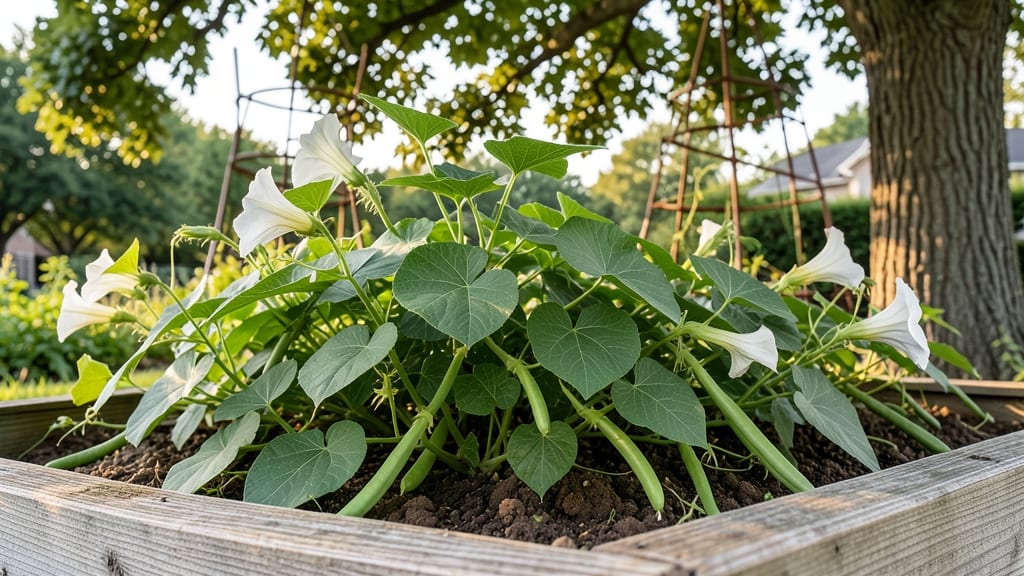
Growing trumpet vine beans transforms bare walls into lush, edible living tapestries. 🌱 These speedy climbers—reaching 15-20 feet in one season—produce striking red flowers and tender beans, making them the ultimate dual-purpose plant for vertical gardens. I’ve watched mine turn a blank fence into a vibrant, food-producing masterpiece within weeks.
The secret lies in their fast growth rate and love of sun. Plant them in well-draining soil after the last frost, give them a sturdy trellis, and expect beans in 60-80 days.
They thrive in full sun and tolerate heat better than many beans, making them perfect for hot climates. Just be prepared for their aggressive climbing—neighbors might ask for cuttings before harvest!
You’ll harvest both the edible beans (young pods taste like snap peas) and the ornamental flowers, which attract hummingbirds. The vines stay productive for months, and saved seeds mean you’ll never buy them again.
Plus, they’re disease-resistant, so you’ll spend less time spraying and more time enjoying the view. Works in containers too—just give them a tall trellis. Here’s how to get started without the common pitfalls.
📚 In This Guide
- What you need
- Instructions
- Tips and common mistakes
- Wrapping up and next steps
What you need
- ● Seeds: 10–20 Mucuna pruriens seeds (organic, untreated preferred). (Pro tip: 💡 Soak seeds in warm water for 24 hours to speed up germination!)
- ● Potting mix: 5–10 gallons of well-draining, organic potting soil (or a mix of 60% compost, 30% coconut coir, and 10% perlite).
- ● Containers or garden bed: For containers: 5–10 gallon pots (with drainage holes) or a large raised bed (at least 12" deep).
- ● For in-ground planting: A sunny spot with loose, fertile soil (pH 6.0–7.0).
- ● Support structure: A trellis, fence, or sturdy pole (6–10 feet tall) to guide the vine’s rapid growth.
- ● Garden tools: Trowel, pruning shears, and gloves (the plant’s fuzzy pods can be itchy!).
- ○ Fertilizer: Balanced organic fertilizer (5-5-5 NPK) or compost tea (optional, but helps early growth).
- ● Mulch: Straw or wood chips to retain moisture and suppress weeds.
- ● Spray bottle: For misting seeds during germination.
- ○ Row cover: Lightweight fabric to protect young plants from pests (optional but helpful in cooler climates).
Step-by-step instructions for growing trumpet vine beans
These fast-growing climbers will transform any vertical space into a lush, productive garden feature.
🌱 Step 1: Choose the Perfect Location and Prepare the Soil
Trumpet vine beans thrive in full sun—at least 6-8 hours daily—so pick a south- or west-facing spot. They're aggressive climbers, so position them near sturdy trellises, arbors, or pergolas. The soil should drain well but retain moisture, so amend heavy clay with 2-3 inches of compost and work in a handful of aged manure for extra nitrogen.
Here's the thing—these beans hate soggy roots. If your soil stays wet for more than a day after rain, raise the planting area by mounding soil or using raised beds. A soil pH between 6.0-7.0 works best, so test yours and adjust with lime if needed. I like to spread a 1-inch layer of mulch around the base after planting to conserve moisture and keep roots cool.
☀️ Step 2: Plant Seeds at the Right Time and Depth
Wait until the soil warms to at least 60°F—use your finger to check depth; if it feels cold below 2 inches, wait another week. Plant seeds 1 inch deep and 4-6 inches apart in rows spaced 18-24 inches apart. I tap the seed packet gently to release one seed at a time—planting too many in one hole leads to weak, crowded vines that struggle to climb.
Water gently after planting to settle the soil around the seeds. You'll see sprouts in 7-14 days, depending on your climate. Real talk: If you live in a cooler zone, consider starting seeds indoors 4-6 weeks before your last frost date and transplanting seedlings after the soil warms. The first true leaves (not the initial cotyledons) signal it's safe to move them outside.
💧 Step 3: Provide Support and Consistent Moisture
As soon as seedlings reach 4-6 inches tall, provide a trellis or sturdy support. Trumpet vine beans twine aggressively, but they need something to grip early on. I use a 5-foot-tall bamboo trellis for small gardens and let them climb freely—watch them race upward at 1 foot per day once established.
Water deeply 1-2 times weekly, aiming for 1 inch of water per week. Let the top 2 inches of soil dry out between waterings to prevent root rot, but don't let the soil dry completely—these vines wilt fast under drought. Mulch helps maintain even moisture, but avoid piling it against the stems to prevent rot. You'll know moisture is right when the soil feels damp but not soggy to the touch.
✂️ Step 4: Prune and Harvest for Maximum Yield
Pinch back the main stem when it reaches 3-4 feet tall to encourage bushier growth and more pods. This isn't mandatory, but it boosts production in smaller spaces. Remove any yellowed or diseased leaves immediately—trumpet vine beans are prone to powdery mildew in humid climates, so good airflow is key.
Harvest begins 60-70 days after planting when pods are 3-4 inches long and still firm. Pick regularly to encourage more flowers and pods—left on the vine, pods toughen and flavor declines. I harvest every 2-3 days during peak season, which keeps the plant productive for weeks. Store fresh pods in the fridge for up to 5 days or blanch and freeze for longer storage.
🌿 Step 5: Extend the Season and Prevent Common Issues
Trumpet vine beans are annuals, but you can squeeze extra harvests by succession planting. Sow new seeds every 2-3 weeks until 6-8 weeks before your first frost date. In cooler climates, use black plastic mulch to warm the soil and extend the growing window. I've had success growing them into early fall with row covers for frost protection.
Watch for pests like bean beetles and spider mites—handpick beetles in the morning when they're sluggish, and spray affected plants with neem oil if mites appear. Overwatering is the biggest mistake; these beans tolerate dry spells better than soggy soil. If leaves yellow between the veins, it's usually iron deficiency—apply a chelated iron supplement to correct it.
Tips & tricks for perfect trumpet vine bean growth
These fast-growing vines reward patience with explosive vertical growth—here's how to maximize their potential without common pitfalls.
Soil Preparation Secret: The 2-3 inches of compost and handful of aged manure aren't just about nutrients—they create the perfect moisture-retaining environment while preventing compaction. I've found that mixing in a bit of perlite (about 10% by volume) improves drainage in heavier soils, which prevents the root rot that can plague these aggressive climbers. The 1-inch mulch layer works wonders at suppressing weeds while keeping roots consistently moist, but here's the thing: keep it at least 2 inches away from the stems to prevent fungal issues.
Timing is Everything: That 60°F soil temperature threshold is non-negotiable—these tropical beans won't germinate properly in cooler soils. I've learned the hard way that planting too early in cool climates leads to weak seedlings that struggle to establish. For direct sowing, use a soil thermometer to verify depth—if it's colder than 60°F at 2 inches down, wait another week. In cooler zones, those 4-6 weeks before last frost for indoor starts give seedlings a strong foundation before transplanting when soil warms.
Support System Strategy: The moment those seedlings hit 4-6 inches tall (which happens surprisingly fast), provide support—don't wait! I've seen trumpet vine beans race upward at 1 foot per day once they get a grip, but without early support, they'll flop and struggle. For small spaces, a 5-foot bamboo trellis works perfectly, but if you're growing along a fence, use sturdy twine or wire mesh. The key is spacing supports 18-24 inches apart to match your planting rows—this creates a natural climbing framework.
Harvesting Hack: Those 60-70 days to harvest might seem like a long wait, but consistency is key. I harvest every 2-3 days during peak season because the pods develop so quickly—left on the vine for even a day, they toughen noticeably. When pods reach 3-4 inches and still feel firm, they're perfect. Here's a pro move: harvest in the morning when pods are crispest, and use a small pruning shears to avoid damaging the vine. For storage, blanch pods for 2 minutes before freezing to preserve texture and flavor for up to 6 months.
Pro Tips for Trumpet Vine Beans
- These fast-growing vines reward patience with explosive vertical growth—here's how to maximize their potential without common pitfalls.
- Soil Preparation Secret: The 2-3 inches of compost and handful of aged manure aren't just about nutrients—they create the perfect moisture-retaining environment while preventing compaction.
- Timing is Everything: That 60°F soil temperature threshold is non-negotiable—these tropical beans won't germinate properly in cooler soils.
Frequently asked questions
Got questions about growing or using trumpet vine beans?
Here are answers to the most common ones—from planting to harvest and everything in between!
How fast do trumpet vine beans grow, and how tall can they get?
Trumpet vine beans are fast growers—expect vines to climb 6–10 feet in a single season! With proper support (like a trellis or fence), they can reach 15+ feet if given space. Their rapid growth makes them perfect for vertical gardens, but they need sturdy support to avoid toppling.
When is the best time to plant trumpet vine beans?
Plant seeds after the last frost when soil is at least 60°F (15°C). They thrive in warm weather and can’t tolerate cold. For extended harvests, try a second planting 2–3 weeks later if your growing season is long. Avoid planting too early—cool soil slows germination.
Can I grow trumpet vine beans in containers?
Yes! Use a large container (at least 5-gallon size) with drainage holes and fill it with well-draining soil. Place the container near a trellis or sturdy pole for support. Just ensure the container gets full sun (6+ hours/day) and water consistently—containers dry out faster than garden beds.
What pests or diseases should I watch for with trumpet vine beans?
Common pests include bean beetles, aphids, and spider mites. Use neem oil or insecticidal soap for mild infestations. Watch for powdery mildew in humid climates—improve airflow and avoid overhead watering. Rotate crops yearly to prevent soil-borne diseases like root rot.
Are trumpet vine beans edible, and how do I harvest them?
Yes! Harvest flat, green pods (6–8 inches long) when they’re crisp and tender. Use pruning shears to avoid damaging vines. Pick regularly to encourage more production. Don’t wait too long—overripe pods become tough and stringy. Frozen or dried beans make great year-round snacks!
Wrapping up and next steps
Trumpet vine beans are a thrilling addition to any vertical garden, offering fast growth, stunning blooms, and delicious pods—all while saving space! Whether you're a seasoned gardener or a beginner, these hardy climbers reward patience with abundant harvests and vibrant foliage. 🌿✨
Now that you’re armed with the know-how to grow them, roll up your sleeves and get planting! Start with strong trellises, monitor those vines, and soon you’ll be enjoying homegrown beans straight from your garden. Happy growing—and may your harvest be bountiful! 🌱🍃