
Vegetables
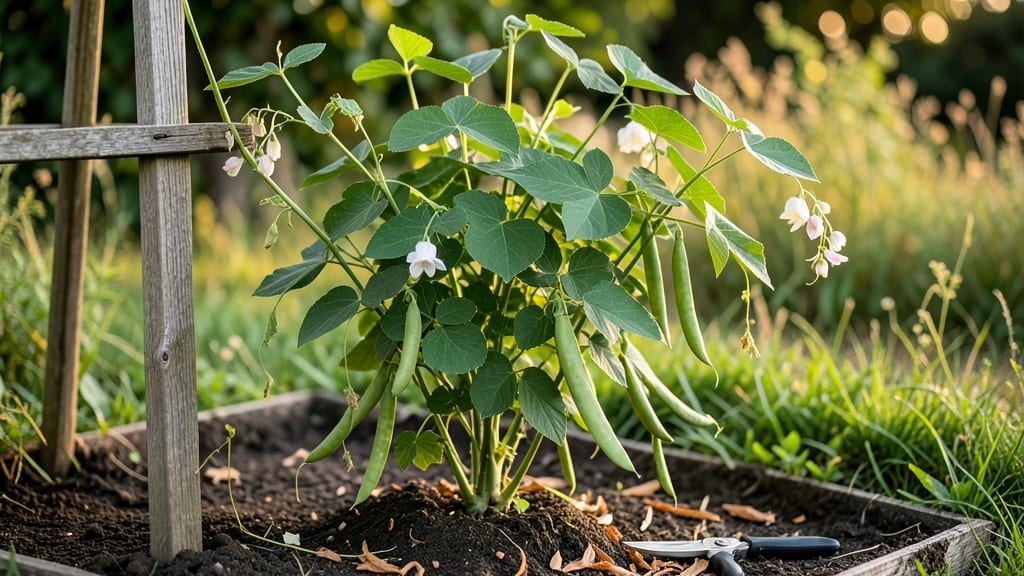
Runner beans are a climbing variety of pole beans with long, flat pods and a distinctively tender, slightly nutty flavor that becomes sweeter when harvested young. These vigorous plants thrive on trellises and deliver continuous harvests throughout the growing season.
These beans aren't your average green bean—they belong to the pole bean family, which means they need vertical support to grow. 🌱 Their slender vines can reach up to 10 feet tall, producing 12-inch pods that are stringless and more delicate than bush beans.
The secret to their sweetness lies in harvesting them when pods are still 4-6 inches long, as they quickly become fibrous and tough. I've found they pair beautifully in dishes where you want that subtle nutty depth without overpowering other flavors.
What sets them apart from green beans is their longer growing season and higher yield. While green beans are typically harvested all at once, runner beans give you a steady supply over 6-8 weeks.
This makes them perfect for gardeners who want continuous harvests without replanting. Plus, their rich flavor makes them a favorite in European and Asian cuisines where beans are often used in hearty stews or fresh salads.
💡 In This Article
- Runner Bean Growth Habits and Cultivation Tips
- Runner Beans vs Green Beans: Flavor, Texture, and Cooking Uses
Runner bean growth habits and cultivation tips
Runner beans grow as vigorous climbers using specialized structures called tendrils that wrap around supports like trellises or strings. These tendrils form at the leaf axils and curl tightly around any vertical structure they encounter, allowing vines to reach heights of 8-10 feet.
Unlike bush beans that grow compactly, runner beans need this vertical support to maximize their growth potential and pod production.
Their ideal growing conditions include full sun exposure (6-8 hours daily) and well-draining soil with a pH between 6.0-7.0.
Plant seeds 1-2 inches deep and 4-6 inches apart along the trellis, spacing rows 3 feet apart to allow proper air circulation. 🌱 The key to continuous harvests is consistent moisture—keeping soil evenly damp (not soggy) encourages steady vine growth and pod development.
Runner beans thrive in temperatures between 60-75°F, making them perfect for spring and summer planting in most climates.
What makes runner beans unique is their prolonged harvest window—unlike green beans that produce all at once, runner beans give you 6-8 weeks of continuous picking once established.
This happens because the plant produces flowers along the entire length of the vine, with each flower developing into a new pod. Proper trellis support isn't just cosmetic; it prevents pods from touching the ground (which causes rot) and maximizes sunlight exposure for each leaf, boosting photosynthesis and overall yield.
For best results, plant companion crops like lettuce or radishes around the base to utilize early-season space before the vines spread.
Avoid planting near onions or garlic, as these can stunt bean growth. 💛 The secret to sweetest flavor is harvesting pods when they're 4-6 inches long—any longer and the beans become tough and fibrous.
Regular picking (every 2-3 days) encourages more flower production, leading to that continuous harvest you love.
Runner beans also have a fascinating self-supporting mechanism: their vines can produce secondary tendrils if the primary ones break, ensuring the plant keeps climbing even after minor damage. This resilience makes them ideal for gardeners who want low-maintenance, high-reward plants.
In cooler climates, consider using black plastic mulch to warm the soil and extend the growing season by 2-3 weeks.
One cultivation tip many gardeners overlook is the importance of soil fertility. Before planting, mix in 2-3 inches of compost and a balanced fertilizer (like 5-10-10).
Runner beans are nitrogen-fixers, meaning they form symbiotic relationships with soil bacteria to convert atmospheric nitrogen into usable plant food, but they still benefit from initial soil enrichment for maximum early growth.