
Companion Plants
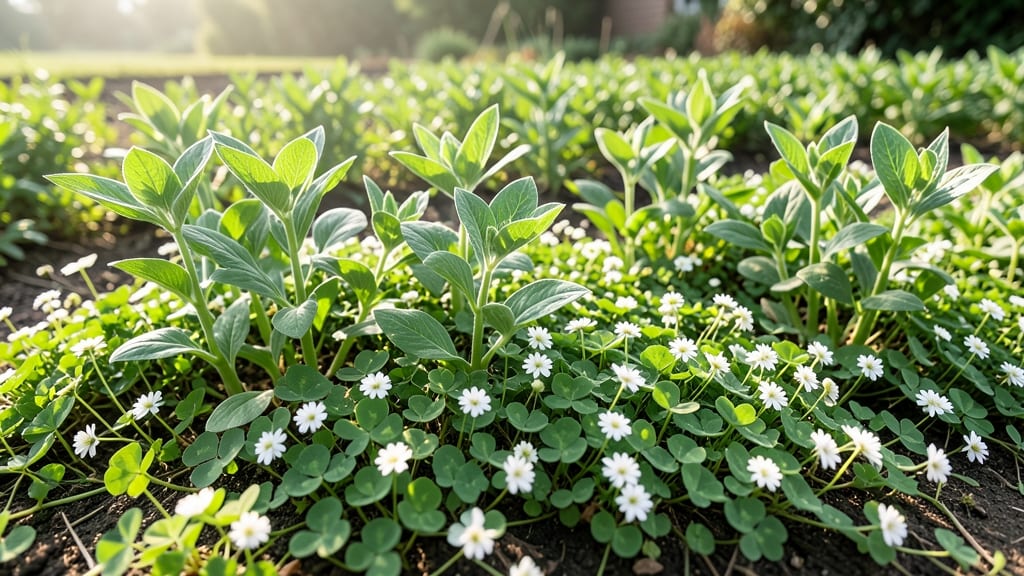
Bush beans thrive when planted alongside the right companions, naturally repelling pests and improving soil health. These 10 garden partners maximize yields while simplifying maintenance—ideal for both beginner and experienced gardeners.
Corn Stalks for Pole Bean Support

Turn your garden into a vertical powerhouse by pairing bush beans with sweet corn—a dynamic duo that saves space while boosting yields. Instead of using artificial trellises, let corn stalks serve as natural supports for pole beans, creating a lush, self-sustaining system where both plants thrive.
Plant corn first, spacing stalks 12-18 inches apart to allow beans to climb later in the season. The beans’ shallow roots fix nitrogen in the soil, enriching it for the corn’s second year of growth—a free fertilizer upgrade! This combo works best in full sun (6+ hours) and well-draining soil, making it ideal for backyard gardens or raised beds.
This classic trio is perfect for gardeners who want to maximize space without extra materials. Plus, the vertical growth keeps pests off the ground and improves airflow, reducing disease risk. 🌱
Potatoes to Suppress Weeds Naturally
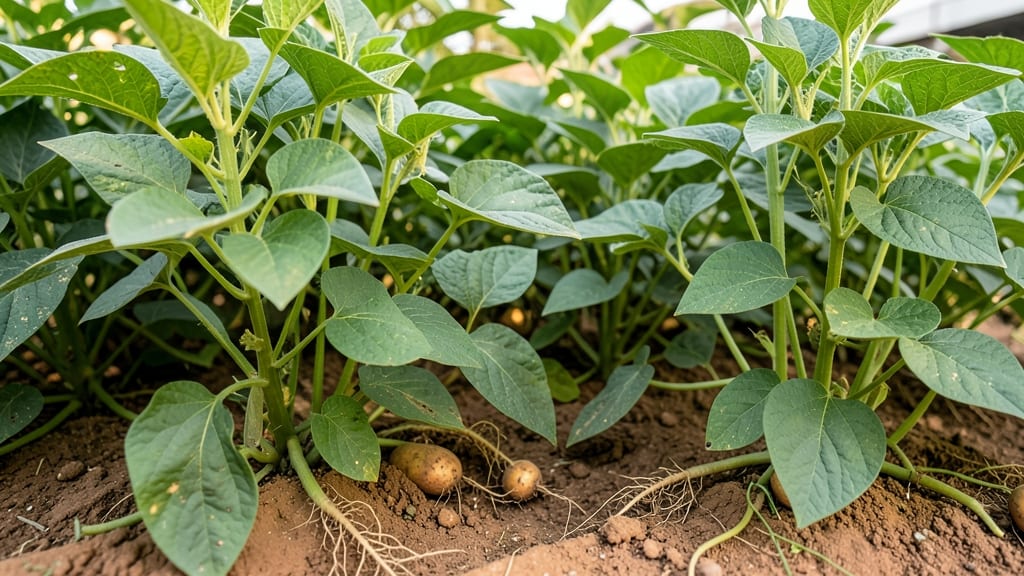
Tired of spending hours pulling weeds from your bean patch? Planting potatoes alongside bush beans creates a natural weed barrier while keeping your garden tidy. The potato plants’ broad leaves form a living mulch, blocking sunlight from reaching weeds before they sprout, while the beans’ shallow roots don’t compete for water.
This dynamic duo works especially well in raised beds or containers, where space is limited but you still want high yields. Space potatoes 12-15 inches apart in rows, then tuck bush beans between the hills. The beans will even help deter Colorado potato beetles by masking the potato plants’ scent. For best results, plant both in early spring when soil temperatures reach 50°F.
Urban gardeners and beginners will love this low-maintenance combo—it’s like having a built-in weed killer that also produces two harvests. 🌱
Cucumbers for Shade and Pest Control
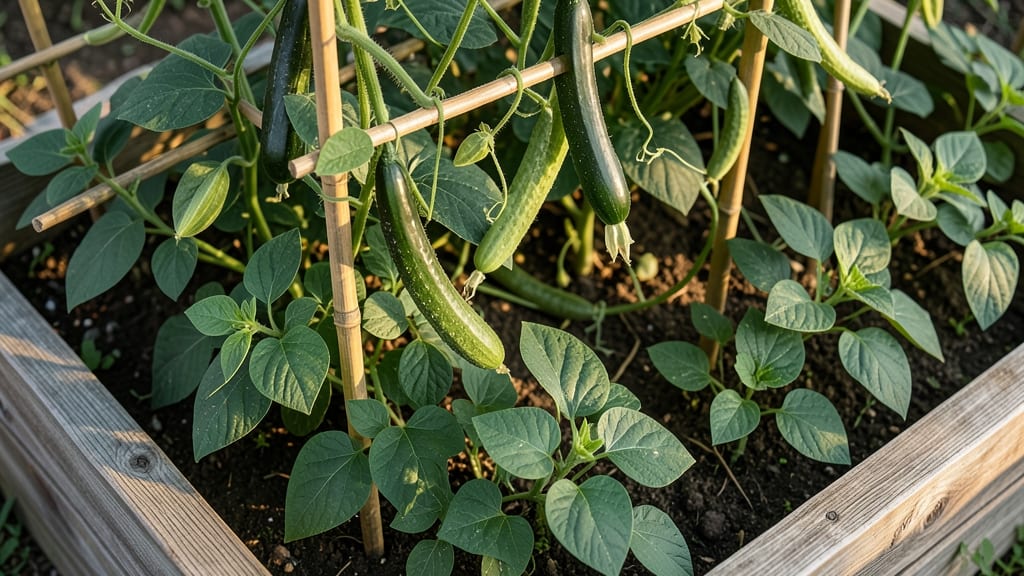
Turn your small urban garden into a thriving ecosystem by pairing bush beans with cucumbers—a dynamic duo that saves space while boosting growth. The cucumbers' sprawling vines create a natural shade canopy over the beans' roots, locking in moisture and keeping soil temperatures cooler during hot afternoons.
This shade partnership isn't just about water conservation—cucumbers' strong scent also repels aphids, a common bean pest. Plant cucumbers along the perimeter of your bean patch, training their vines upward with a simple trellis. For maximum benefit, choose bush varieties like 'Straight Eight' cucumbers that won't outcompete your beans for nutrients.
Urban gardeners with limited square footage will love this combination—it's perfect for containers or small raised beds where vertical space is at a premium. The cucumbers' rapid growth also provides quick shade, protecting young bean plants from harsh sunlight. 🌱
Carrots to Break Compacted Soil
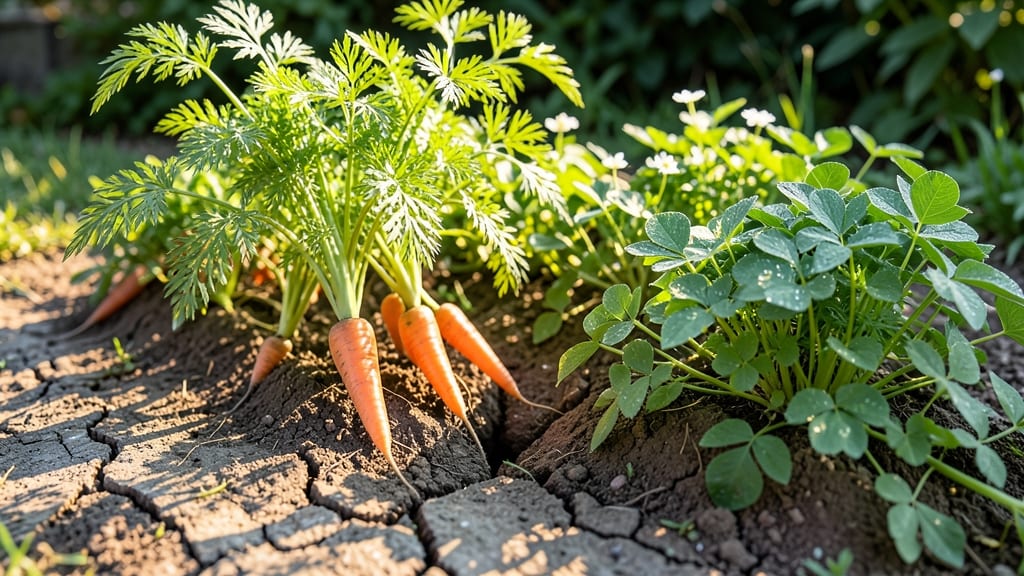
If your garden bed feels like concrete after a long winter, it’s time to team up carrots and bush beans for a soil-saving duo. The deep taproots of carrots act like natural soil aerators, breaking up compacted clay or rocky beds that beans struggle to penetrate with their shallow roots.
Plant carrot seeds first, about 2 inches deep and 2-3 inches apart, followed by bush beans 4-6 weeks later in the same row. The beans will later enrich the soil with nitrogen, which surprisingly sweetens the flavor of your carrots. This combo is especially valuable for gardeners with heavy clay or rocky terrain who’ve struggled with stunted root crops.
This pairing works best in cooler months when carrots thrive, making it ideal for spring or fall plantings. It’s a win-win for both crops and your soil’s long-term health. 🌱
Onions to Repel Bean Beetles
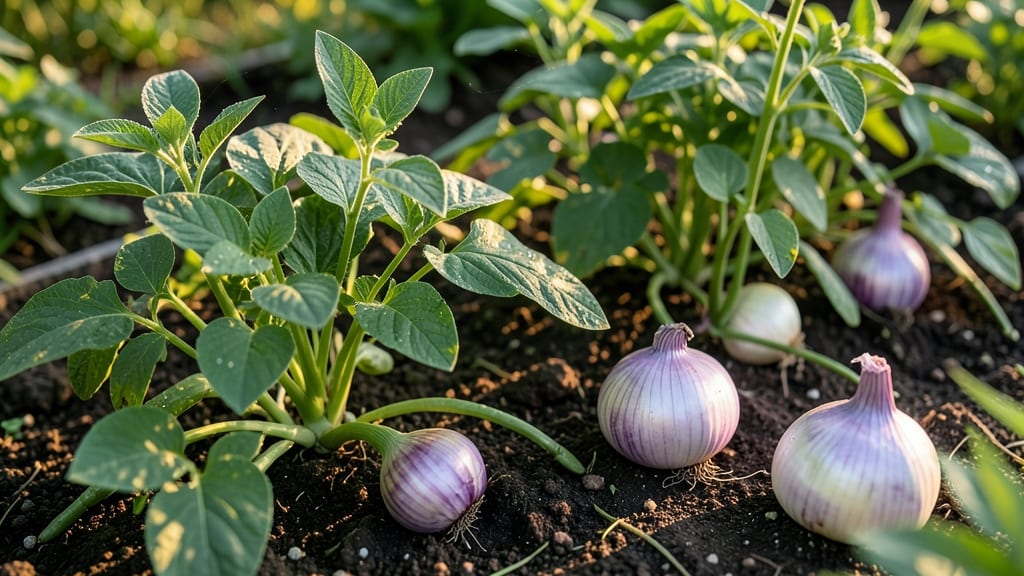
Tired of bean beetles devouring your harvest? Onions are your secret weapon—plant them alongside bush beans to naturally confuse these pests with their powerful scent. The pungent aroma disrupts beetles' ability to locate your beans, reducing damage without chemicals.
Onions thrive in the same square-foot layouts as bush beans, with minimal space competition. Their vertical growth habit leaves room for beans below, while both plants benefit from similar sun and water needs. For best results, interplant onion sets or seedlings every 4-6 inches around your bean rows.
This pairing is especially useful for urban gardeners or small-space growers. Onions also add flavor to your kitchen while protecting your beans—it’s a win-win for pest control and productivity! 🌱
Radishes for Early Season Companion
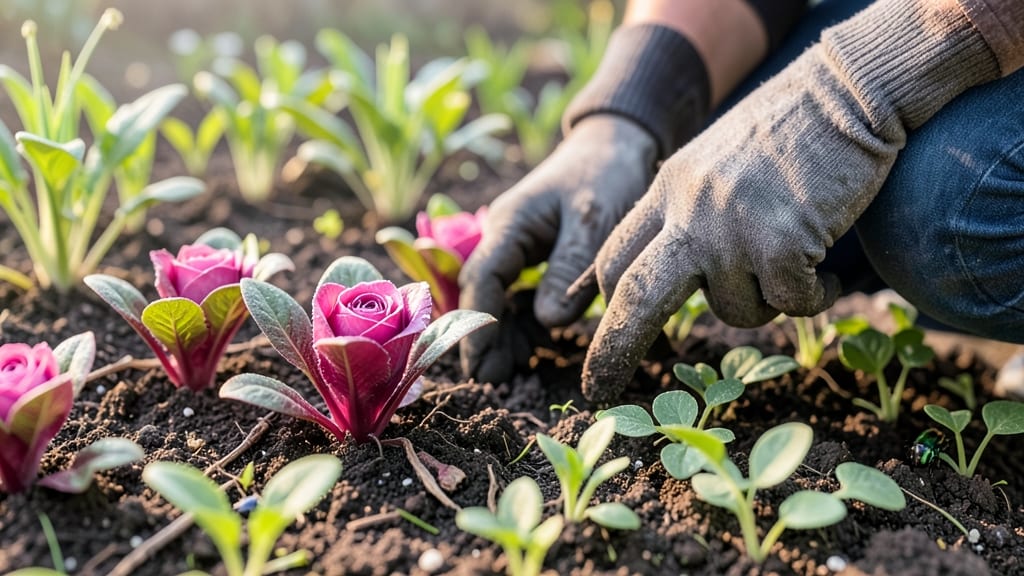
Spring gardeners know the frustration of waiting for soil to warm enough to plant beans—radishes solve this by acting as a living soil thermometer. Their rapid growth (as fast as 3-4 weeks) signals when temperatures are ideal for beans, while their presence deters cucumber beetles, a common bean pest.
Sow radish seeds first in early spring, then follow with bush beans once radishes reach maturity. The radishes' shallow roots leave behind loose, aerated soil perfect for beans' shallow root systems. After harvesting radishes, their empty space allows beans to spread without competition—ideal for succession planting in small gardens.
This dynamic duo is especially useful for urban gardeners or those with limited space, as it maximizes bed usage while reducing pest pressure. 🌱
Marigolds to Deter Mexican Bean Beetles
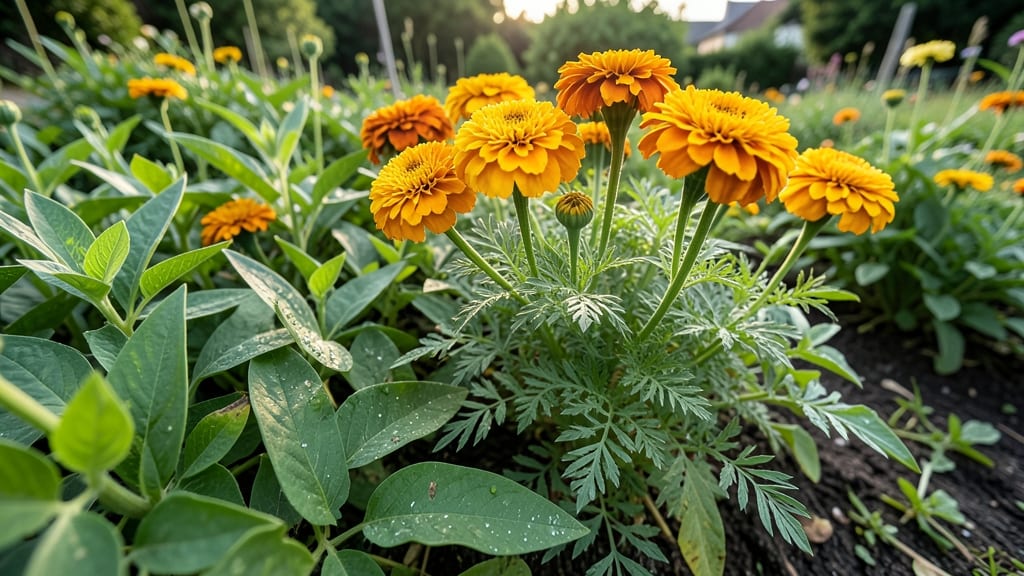
Tired of Mexican bean beetles devouring your harvest? Marigolds are the secret weapon you’ve been missing—these bright annuals don’t just deter pests, they also attract pollinators and add a pop of color to your garden borders.
Plant French marigolds (like 'Bonanza' or 'Tangerine') around your bush beans—their strong scent masks the beans’ natural aroma, confusing beetles while their nectar-rich flowers draw in bees and hoverflies. They thrive in full sun to partial shade and need minimal care, making them perfect for beginners or busy gardeners.
Bonus: Their edible petals make them a dual-purpose plant for both pest control and culinary gardens. Try planting them in a ring around your bean patch for a natural, low-maintenance barrier. 🌻
Spinach for Cool-Season Pairing
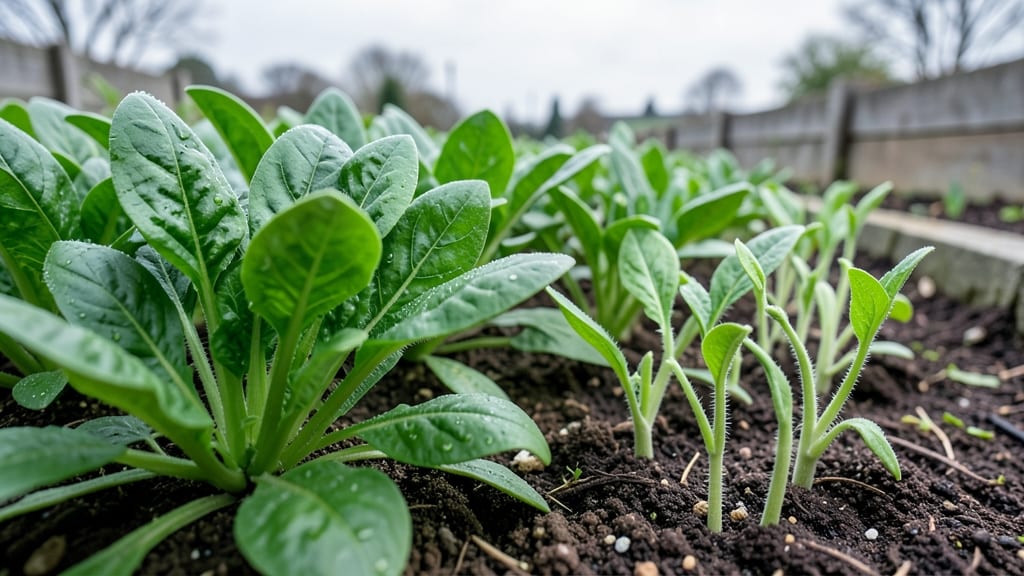
Spring and fall gardeners, rejoice—spinach and bush beans are the ultimate cool-season team players! While beans need warmer soil to germinate, spinach thrives in 50-75°F temperatures, creating a perfect staggered planting schedule that keeps your garden productive year-round.
Start spinach in early spring as soon as soil is workable, then sow bush beans 3-4 weeks later when nighttime temperatures stay above 50°F. The spinach will provide quick greens while beans mature, then bolt and clear space for fall spinach replanting. This succession planting trick maximizes bed space without competition—ideal for small gardens or container setups.
Urban gardeners and beginners will love this low-maintenance pairing—no complex rotations or trellises required. Just plant spinach on the north side of your bed for shade as beans grow taller. 🌱
Basil to Enhance Bean Flavor
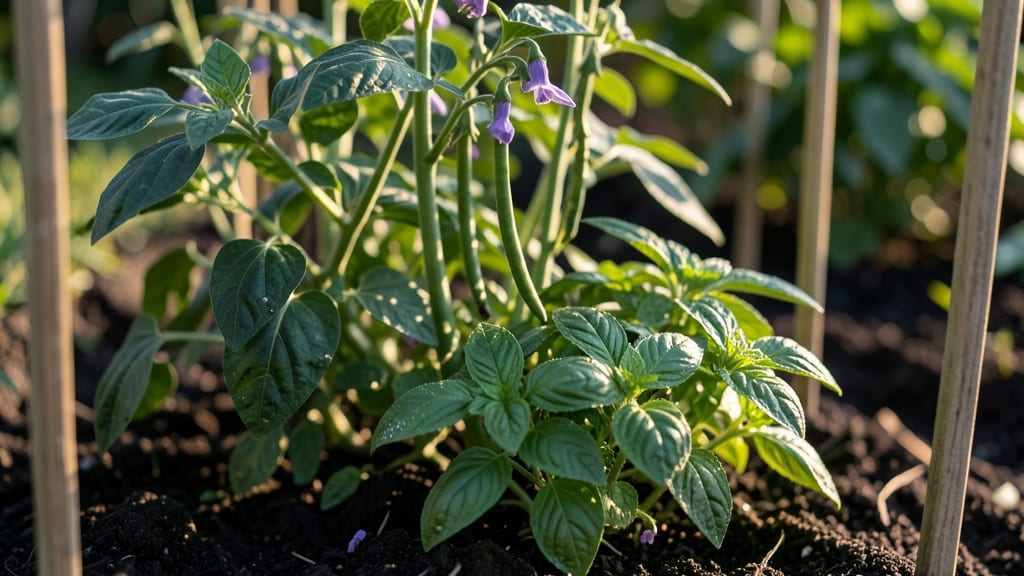
Looking to boost your bush beans’ flavor and keep pests at bay? Plant basil nearby—its aromatic leaves repel thrips while enhancing the sweetness of your beans when harvested together. This compact herb thrives in containers or garden beds, making it perfect for small spaces.
Sow basil seeds 6–8 weeks before your last frost, spacing them 6–12 inches apart. Both plants love full sun (6–8 hours daily) and well-draining soil. Pinch back basil’s flowers to encourage leaf growth, and harvest leaves regularly to keep the plant bushy. The combo works especially well in 5-gallon containers or raised beds.
Urban gardeners and container enthusiasts will love this pairing—it’s a flavorful, space-efficient way to protect your beans while adding fresh herbs to your kitchen. 🌿
Clover Ground Cover for Nitrogen Boost

If you’re tired of battling weeds and soil depletion in your bush bean patches, white clover is the ultimate understory ally. This hardy ground cover doesn’t just look pretty—it actively fixes nitrogen in the soil year-round, giving your beans a constant nutrient boost without synthetic fertilizers.
Plant white clover as a living mulch between bean rows, mowing it back occasionally to prevent flowering (which can spread aggressively). It thrives in partial shade to full sun, making it ideal for perennial bean beds or large garden plots where you want to minimize tilling. The dense foliage also smothers weeds, reducing your weeding workload by up to 70%.
This low-maintenance solution is perfect for organic gardeners or those with large-scale bean production, as it improves soil structure over time while keeping your plants healthy and productive. 🌱