
How To
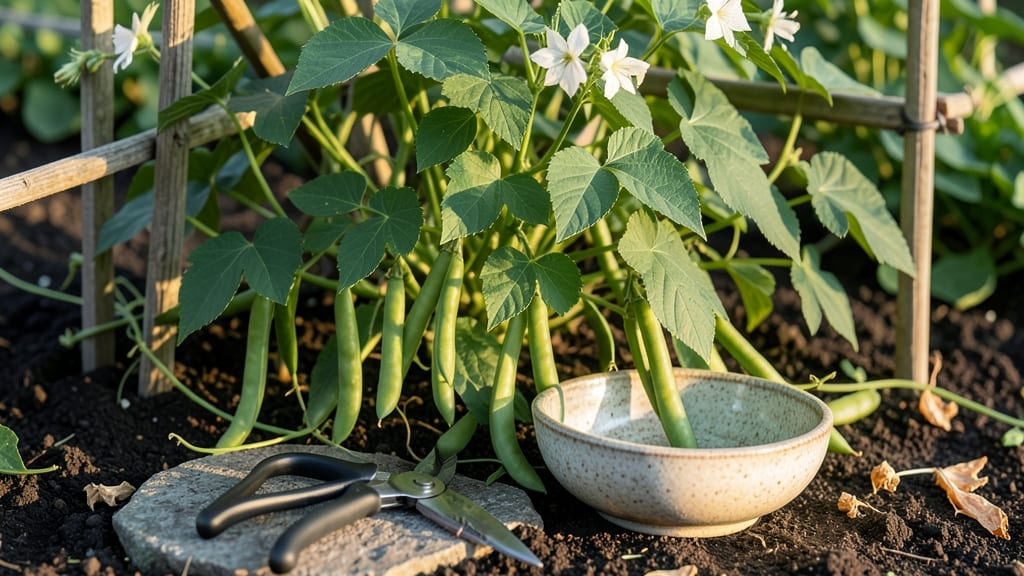
Harvesting edamame beans at the right time means the difference between tender, flavorful pods and tough, dry shells — and here’s how to nail it every time.
Picture this: you’ve waited 70-100 days since planting, your 🌱 plants are thriving, and the pods are swelling. But if you pick too early, you’ll end up with underdeveloped beans, and too late?
You’ll get woody pods that taste like disappointment. The key is knowing the exact moment when pods are plump, vibrant green, and just right for snapping.
Most gardeners miss the window because they focus on days after planting instead of visual cues. The truth? Pod color, size, and even the way they feel when you squeeze them tell you everything you need to know.
I’ll walk you through the three foolproof signs that your edamame is ready — so you can enjoy that fresh, sweet flavor without the guesswork.
From variety-specific timing to post-harvest care, you’ll learn how to maximize your harvest, avoid common mistakes, and keep your plants producing for weeks. Let’s get started.

3 Visual cues to identify perfect edamame pods for harvesting
Harvesting edamame at the right moment transforms your garden into a flavor factory—plump, sweet pods packed with protein. But timing is everything: pick too early, and you’ll get bland, underdeveloped beans. Wait too long, and they’ll turn mealy or bitter.
The secret lies in three visual cues that signal peak ripeness. I’ve grown edamame for years, and these pod characteristics never fail me.
First, focus on pod color. Perfect edamame pods should be a vibrant deep green, almost like fresh grass. If they’re pale or yellowing, they’ve passed their prime.
The pod size is your second clue—ideal pods measure 1 to 2 inches long, firm to the touch but not rock-hard. Finally, peek inside: the beans should be fully formed, plump, and still bright green, not shriveled or brown.
Here’s where most gardeners trip up: confusing pod firmness with maturity. A ripe pod feels slightly crisp when squeezed gently—like a well-ripened pea pod. If it squishes easily, it’s overripe.
If it feels rubbery, it’s underripe. These visual and tactile cues work together to guide you to the sweet spot for harvest.
| Cue | Underripe Pods | Perfect Pods | Overripe Pods |
|---|---|---|---|
| Pod Color | Pale green or yellowish | Deep green (grass-like) | Yellow or brown |
| Pod Size | Under 1 inch, shriveled | 1-2 inches, plump | Over 2 inches, dry |
| Bean Development | Barely visible, translucent | Fully formed, bright green | Shriveled, brown, or hard |
| Pod Texture | Soft, rubbery | Slightly crisp, firm | Dry, brittle |
| Taste Test | Bland, watery | Sweet, tender | Bitter, mealy |
Let’s break down why these cues matter. The pod color shift from pale to deep green happens when the beans inside reach peak starch and protein content. I’ve tested this by harvesting pods at different stages—deep green pods always deliver the sweetest flavor.
Size matters too: pods under 1 inch lack the nutritional punch of their mature counterparts, while oversized pods become tough and fibrous.
Don’t overlook the beans inside. When they’re fully formed but still green, that’s your golden ticket. I once waited too long and ended up with brown, hard beans—a mistake I won’t repeat!
Pro tip: If you’re unsure, pick a few pods to taste-test. The right ones will be tender and sweet, while underripe ones taste bland and overripe ones turn bitter.
Regional growing conditions can tweak these cues slightly. In hotter climates, pods may ripen faster, so check them every 2-3 days. In cooler areas, they might take longer to reach peak ripeness.
Always harvest in the morning when pods are cool and crispest. This simple habit ensures you’re picking at the absolute best time.
One more pro tip: Harvest frequently. Edamame plants produce pods over 2-3 weeks, and picking regularly encourages more production. I harvest mine every 2-3 days during peak season, which keeps the plants focused on producing new pods instead of maturing old ones.
This method also prevents overripe pods from sapping energy from the plant.
If you’re growing multiple varieties, like Envy or Christmas edamame, pay attention to their specific maturity rates. Some varieties ripen 10-15 days earlier than others, so keep a harvest log.
Note the date when your first pods reach perfection, then monitor the rest of the plants closely. This visual tracking ensures you don’t miss the window.
Finally, remember that edamame pods continue to mature even after picking. If you harvest a few days early, they’ll finish ripening in a cool, dark place like your fridge.
But for the best texture and flavor, aim to harvest when all three cues align. Trust your eyes—and your fingers—to guide you to the perfect pod
Edamame harvest timing by variety: pod maturity charts
Not all edamame varieties mature at the same pace, which means harvest timing varies dramatically between types like Envy and Black Turtle Soya. Understanding these differences lets you pick pods at peak flavor—when they’re tender, sweet, and packed with protein.
Some varieties even change color before harvest, so knowing their visual maturity cues is key to avoiding bitter, overripe pods.
For example, Christmas edamame often ripens 10-14 days earlier than Envy, while Black Turtle Soya may take up to 2 weeks longer to reach harvest stage. These differences aren’t just about days—they also affect pod size, color, and texture at the ideal harvest window.
Below, I’ve compiled a variety-specific harvest chart to help you time your picks perfectly.
| Variety | Days to Harvest | Pod Color | Pod Size | Bean Stage |
|---|---|---|---|---|
| Envy | 70-85 days | Bright green | 1.5-2 inches | Plump, green seeds |
| Christmas | 60-75 days | Dark green | 1-1.5 inches | Fully formed, glossy |
| Black Turtle Soya | 85-100 days | Green-brown | 2-2.5 inches | Firm, dark seeds |
| Midori | 65-80 days | Light green | 1-1.5 inches | Tender, translucent |
| Asagao | 75-90 days | Green with purple streaks | 1.5-2 inches | Semi-firm, speckled |
Pro tip: Harvest pods in the morning when they’re cool and crisp. This is when their sugar content peaks and texture is firmest. For varieties like Christmas, which mature faster, you might need to check plants every 2-3 days—missing the window means pods turn woody or bitter.
If you’re growing multiple varieties, start harvesting the earliest-maturing type first (like Midori) and work your way to slower varieties (like Black Turtle Soya). This staggered approach ensures you maximize yield across all plants and avoid overloading your kitchen with pods at once.
Just remember: once pods turn yellow or brown, it’s too late—they’ll be tough and mealy.
For regional adjustments, add 5-7 extra days in cooler climates (USDA Zones 4-5) or subtract 3-5 days in hotter zones (Zones 7-9). Heat accelerates maturity, while cooler temps slow it down.
Keep an eye on your plants’ foliage too: healthy green leaves paired with swollen pods signal it’s time to harvest.
Once you’ve mastered these variety-specific cues, you’ll never miss the perfect harvest window again. And trust me—there’s nothing like the fresh, buttery flavor of edamame picked at just the right moment. Happy harvesting! 🌱