
How To
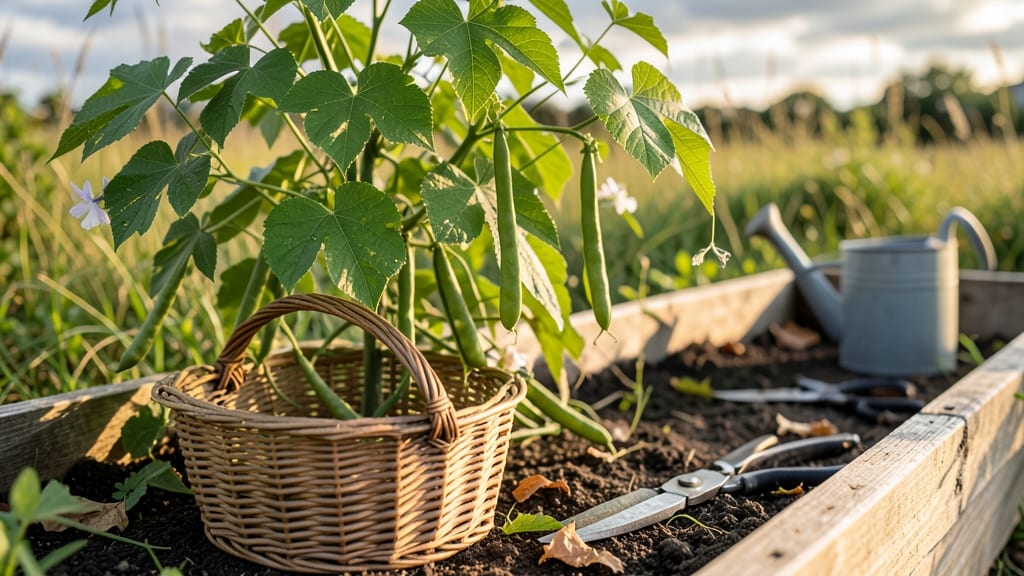
Harvesting yard long beans at the right time ensures tender, flavorful pods instead of tough, stringy ones—here’s how to know when they’re ready.
Picture this: you’ve been waiting 60-80 days for those long, vibrant pods to grow, only to pick them too late and end up with a mouthful of fiber. The key is catching them at 12-18 inches, when they’re bright green, glossy, and snap easily when bent.
In USDA Zone 6a, that means timing your harvest between July and September, but climate matters—tropical regions may need earlier picks, while cooler areas can stretch the window. Miss the mark, and you’ll sacrifice both taste and yield.
Below, I’ll walk you through the exact signs to watch for, how often to harvest for continuous production, and what to do if you’ve already let a few get away from you.

How to determine yard long bean harvest time by pod length and seed development
Harvesting yard long beans at the right moment transforms your garden into a flavor factory. The key lies in two simple checks: pod length and seed development. When you ignore these cues, you risk ending up with woody pods or underdeveloped beans that lack sweetness.
Let's break down how to spot the perfect harvest window before your plants send all their energy into seed production.
For yard long beans, the ideal harvest window occurs when pods reach 12–18 inches in length. This size range ensures the beans are tender enough to enjoy fresh or cooked, while still containing the delicate flavors that make them special.
Think of it like catching a fish at the perfect moment—too early and it's too small, too late and it's tough and flavorless.
Here’s where the seed development comes into play. When you gently press a pod, look for seeds that are flat against the sides but not yet bulging. This tells you the beans are at peak maturity.
If the seeds are already plump and pushing against the pod walls, you’ve missed your window—the beans will soon become fibrous and lose their sweetness.
| Pod Length | Seed Condition | Pod Color | Harvest Readiness |
|---|---|---|---|
| 12–18 inches | Flat seeds | Bright green | ✅ Perfect time |
| Under 12 inches | No visible seeds | Pale green | ⏳ Too early |
| Over 18 inches | Bulging seeds | Dull green | ❌ Overripe |
Another visual cue to watch for is the pod's glossiness. Ready-to-harvest pods should have a shiny, vibrant green appearance. Dull or yellowing pods are a sign that the beans are past their prime.
Pro tip: Harvest in the morning when pods are cool and crisp—this is when they’ll be at their freshest and most flavorful.
If you’re growing yard long beans in a tropical climate, you might find they mature faster due to higher temperatures. In these regions, check pods every 2–3 days to avoid missing the harvest window.
Conversely, in cooler climates, pods may take longer to reach the ideal size, so monitor them weekly once they start forming.
Don’t forget to inspect the plant’s growth habit. If you notice new pods forming at the base of the plant while the upper pods are still small, it’s a sign your plant is ready to produce continuously.
This is your cue to start harvesting the upper pods regularly to encourage more production lower down on the vine.
One common mistake is waiting until pods are fully grown before harvesting. By then, the beans inside have already started developing into seeds, making the pods tough and stringy. Aim to harvest at least twice a week during peak production to keep your plants productive and prevent over-maturation.
For the best flavor, use a sharp pair of pruning shears or your fingers to snap the pods cleanly from the vine. Avoid tearing the pods, as this can damage the plant and reduce future yields.
Always harvest pods gently but firmly—this ensures you get the bean without harming the plant’s ability to produce more.
Once you’ve mastered these techniques, you’ll enjoy a steady supply of tender, flavorful yard long beans all season long. The key is consistency—check your plants regularly, and you’ll never miss that sweet spot between underripe and overripe again.
Common mistakes to avoid when harvesting yard long beans (and how to Fix them)
Harvesting yard long beans at the wrong time can ruin their tender texture and sweet flavor. Many gardeners miss the optimal window due to environmental factors or simple oversight. Understanding these common pitfalls will help you maximize your harvest and enjoy delicious pods all season.
One frequent mistake is waiting too long for pods to reach their ideal length of 12–18 inches. Overripe beans develop thick, fibrous walls and tough seeds, making them less enjoyable to eat.
Equally problematic is harvesting too early, when pods are still underdeveloped and stringy. Both scenarios waste your gardening efforts and reduce yield.
Harvesting pods beyond 18 inches turns them woody and bitter. Check for bulging seeds—this is your cue to pick immediately. In humid climates, pods mature faster; monitor daily during peak summer heat.
💡 Fix: Harvest every 2–3 days during hot weather to prevent overripening.
Environmental factors like high humidity or extreme heat can also throw off your harvest timing. In tropical regions, pods may mature in as little as 50 days instead of the usual 60–80 days.
Pay attention to local weather patterns—if temperatures soar above 90°F (32°C), your beans may bolt or produce pods faster than expected.
Another common error is ignoring the plant’s growth cycle. Yard long beans produce continuously, so skipping harvests can lead to overcrowded vines and reduced future yields.
Always check the base of the plant for new pods—this signals it’s time to harvest again. Regular picking encourages more production and keeps plants healthy.
If you’ve missed the optimal harvest window, don’t despair. Even slightly overripe pods can be used for stir-fries or soups, where their texture holds up better. For future harvests, set a reminder every 2–3 days during peak production months (July–September in most zones) to stay on track.
Finally, store harvested pods properly to maintain quality. Place them in a paper bag in the fridge for up to 5 days, or blanch and freeze for longer storage. Proper post-harvest care ensures you can enjoy your beans long after they’re picked.