
How To
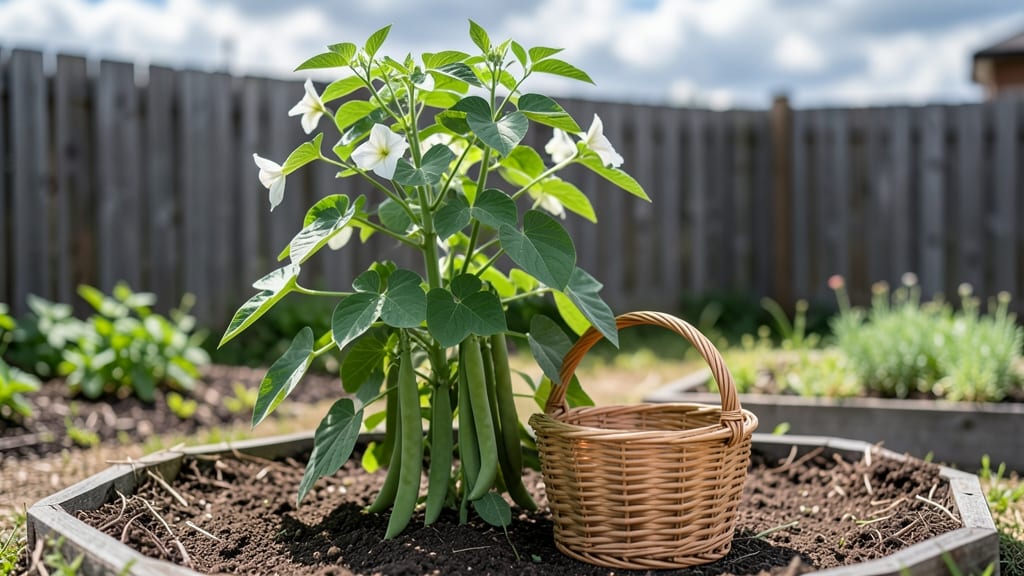
Picking Blue Lake bush beans at the right time means crisp, tender pods packed with flavor—but wait too long, and you’ll end up with tough, stringy messes.
Picture this: you’re stepping into your garden in July, pods swelling on the 🌱 Blue Lake plants, and you’re not sure if they’re ready. One wrong pick, and you’ve lost your chance for weeks.
The secret? Harvest them when they’re 3-5 inches long, still bright green, and snap easily when bent.
Why does timing matter so much? Because beans stop improving the moment they reach full size. Overripe pods turn woody, and the plant’s energy shifts from producing food for you to making seeds. Regular picking—every 2-3 days—keeps the plant happy and the harvest flowing.
Below, I’ll break down the exact visual cues to watch for, common mistakes to avoid, and how to store your harvest so it stays fresh. No guesswork, just peak-flavor beans every time.

Blue Lake bush bean harvesting guide by pod size & color
Timing your Blue Lake bush bean harvest is the secret to unlocking their signature crisp texture and sweet flavor. These beans mature quickly—typically 60-70 days after planting—but their window of perfection is narrow.
Picking too early means tiny, underdeveloped pods, while waiting too long results in tough, stringy beans that lose their garden-fresh appeal. The key lies in mastering three visual cues: pod length, color, and texture.
For peak quality, aim to harvest when pods measure 3-5 inches long. This range captures the sweet spot between stunted growth and over-maturity. At this stage, the pods should be bright green with a slight gloss, signaling they’ve absorbed enough sunlight for optimal sugar development.
Darker, duller pods or those with visible seeds have already passed their prime, sacrificing tenderness for dryness.
Here’s the visual reference you need to make confident decisions in your garden:
| Pod Stage | Length | Color | Texture | Seed Visibility | Flavor Profile |
|---|---|---|---|---|---|
| Too Early | <3 inches | Pale green | Soft, rubbery | None | Bland, underdeveloped |
| Ideal Harvest | 3-5 inches | Bright green | Firm, crisp | Just forming | Sweet, tender |
| Perfect Window | 4-4.5 inches | Vibrant green | Snaps cleanly | Barely visible | Peak flavor |
| Over-Mature | >5 inches | Dull green/brown | Tough, fibrous | Visible/seeds | Starchy, dry |
🌱 Pro Tip: Use your thumb to gently press the pod—if it snaps with a slight crack, it’s ready!
Color is your next clue, but it’s not just about being green. The brightest green pods with a slight sheen indicate optimal chlorophyll activity and sugar content.
As pods mature beyond this stage, they’ll develop a duller hue and may even show hints of brown or purple near the stem—clear signs they’ve overstayed their welcome.
Pay special attention to the pod seams: when they’re still smooth and haven’t started bulging with seeds, you’re in the ideal window.
Don’t rely solely on visual cues—texture is your final checkpoint. A perfectly ripe Blue Lake pod should feel firm yet slightly plump, almost like a cross between a snap pea and a green bean.
Give it the snap test: hold the pod between your fingers and gently bend it. If it snaps cleanly with a slight crack, it’s ready to pick. A pod that bends without snapping is past its prime, while one that feels rubbery or mushy was harvested too soon.
Temperature plays a subtle but important role in timing. In cooler climates (USDA Zones 3-5), beans may mature more slowly, so check pods every 2-3 days starting around day 55.
In warmer zones (6-9), the harvest window can open as early as day 50, so monitor plants daily during peak summer heat. Morning is the best time to harvest—pods are cooler and firmer, making them easier to pick without damaging the plant.
Regular harvesting isn’t just about flavor—it’s about encouraging continuous production. When you remove mature pods, the plant redirects its energy to producing new flowers and beans. Skipping harvests by even 4-5 days can trigger a 30% drop in yield as the plant shifts focus to seed development.
For maximum output, make harvesting a daily habit once pods start appearing, using clean hand pruners or scissors to avoid crushing the stems.
One common mistake is assuming all pods on a plant will mature simultaneously. In reality, Blue Lake beans often ripen in waves, with some pods ready while others lag behind. To simplify, start harvesting the longest pods first, then work your way to shorter ones.
This staggered approach ensures you’re always picking at peak ripeness while leaving younger pods time to mature. If you notice pods dropping to the ground, it’s a sure sign you’ve waited too long—time to harvest everything remaining!
For container gardeners, timing can be trickier due to limited space. In 5-gallon pots or smaller, pods may mature 5-7 days faster than in-ground plants. Check pods daily in containers and harvest aggressively to prevent overcrowding, which stresses the plant and reduces flavor.
If your bush beans are growing in partial shade, expect slightly longer maturation times (up to 75 days) and monitor pods closely for the telltale dull color and seed visibility that signals over-maturity.
🌿 Remember: the first harvest is just the beginning. With proper care—consistent watering, balanced fertilizer, and regular picking—your Blue Lake plants can produce for 6-8 weeks, giving you a steady supply of homegrown goodness.
Keep your eyes on those pods, your fingers nimble with the snap test, and your harvest calendar handy. Soon, you’ll be reaping crisp, sweet beans that put store-bought to shame!
Common mistakes that ruin Blue Lake bean flavor (and how to avoid them)
Waiting too long to harvest your Blue Lake bush beans is the #1 way to ruin their tender flavor. Once pods reach 5-6 inches, they start developing fibrous strings and tough skins, turning your garden-fresh harvest into a chewy disappointment.
Even worse, overripe beans divert energy from producing new pods, cutting your total yield by up to 30%.
Overcrowded plants compound the problem. When beans grow too close together, they compete for sunlight and nutrients, slowing maturity and making pods uneven in size. This inconsistency means some beans are ready while others are still underdeveloped, forcing you to either pick too early or wait too long.
Thinning seedlings to 3-4 inches apart at planting solves this before it starts.
Here’s the kicker: even if you’re picking at the right size, irregular harvesting throws off your plant’s rhythm. Skipping a week or two lets pods swell beyond their prime, while harvesting too frequently stresses the plant.
The sweet spot? Every 2-3 days during peak production (July-August in most zones). Set a reminder on your phone—your taste buds will thank you.
Pod Size: 3-5 inches (thumb-width is ideal)
Color: Bright green (not yellowing)
Texture: Crisp—snaps cleanly when bent
Seeds: Tiny or just visible (not plump)
Time Window: Morning after dew dries (best flavor)
Busy gardeners often make another critical error: ignoring the pod’s snap test. A ripe Blue Lake bean should break with a crisp sound when you bend it—like a fresh carrot.
If it bends without snapping or feels soft to the touch, it’s past its prime. Pro tip: Harvest in the morning when pods are coolest and most flavorful.
Heat waves can also sabotage your harvest timing. During 90°F+ days, beans mature faster, shriveling pods in just 48 hours. Check plants daily during heat spikes and harvest earlier (3-4 inches) if needed.
Mulch with straw to keep roots cool and extend your harvest window by 1-2 weeks.
Finally, don’t fall for the myth that “bigger is better.” Oversized Blue Lake pods (over 6 inches) lose their signature buttery texture and develop bitter compounds. Treat your plants like a well-timed dance: pick consistently, and they’ll keep producing until first frost.
With these adjustments, you’ll enjoy crisp, sweet beans straight from the vine all season.