
How To
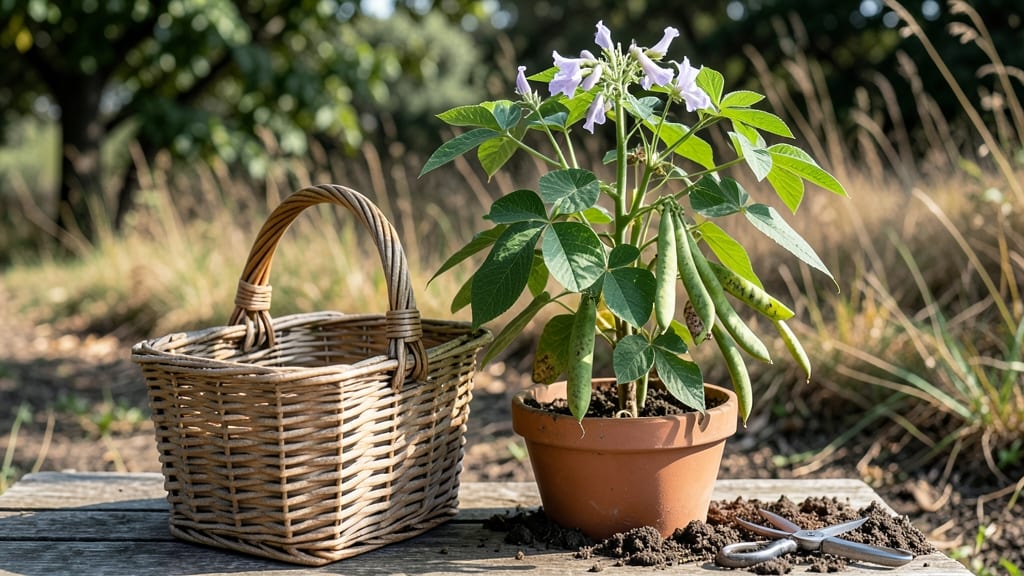
Picking pinto beans at the right time means the difference between tender, flavorful pods and tough, dry ones—so you’ll want to know exactly when those beans are ready to harvest.
Picture this: you’ve nurtured your 🌱 pinto beans all season, and now the pods are swelling. But if you wait too long, they’ll turn woody, or if you pick too soon, they’ll be underdeveloped.
The key is catching them at that perfect window, when the pods are 3–4 inches long and firm yet tender.
In USDA Zone 6a, that window typically falls between July and September, but heat, drought, or shade can shift the timing. I’ll walk you through the visual cues—pod color, size, and texture—and how to test for readiness so you never miss the best flavor.
Beyond just knowing when to pick, I’ll cover how often to harvest for continuous production, what to do with overripe pods, and simple post-harvest steps to preserve your beans for cooking or drying.

Pinto bean harvest timing: pod color & size checklist for perfect picking
Timing your pinto bean harvest correctly ensures you enjoy tender, flavorful beans instead of tough, stringy pods. The key lies in watching for three critical visual cues: pod size, color, and texture.
I’ve learned from experience that missing these signs can mean the difference between a bountiful harvest and wasted effort.
Most pinto bean varieties take 50-75 days to mature, but visual cues are more reliable than days alone. For example, a 3-4 inch pod with a glossy finish is typically ready, while pods that feel rubbery or have pale spots are still developing.
Let’s break down exactly what to look for.
Here’s a quick reference to help you spot the perfect harvest-ready pods at a glance:
The pod size is your first clue—aim for 3-4 inches. Smaller pods (<2 inches) are still developing and lack flavor, while oversized pods (>5 inches) become tough and fibrous. I once waited too long and ended up with beans so hard I couldn’t even boil them properly!
Color consistency is another key indicator. Pinto beans should have a deep, uniform hue, whether green or brown, depending on the variety. Pale or splotchy pods often signal uneven ripening, which can lead to inconsistent texture. Always inspect both sides of the pod for uniformity.
Texture is where many gardeners go wrong. A firm but slightly yielding pod is ideal—it should give just a little when you gently press your thumb against it.
If it feels rock-hard or squishy, it’s past its prime. Pro tip: Use your fingertip pressure like a chef testing a ripe avocado!
One mistake I see often is picking based on days alone. While pinto beans typically mature in 60-75 days, environmental factors like temperature swings or water stress can delay or speed up ripening. Always prioritize visual cues over calendar dates for the best results.
If you’re growing dry pinto beans for storage, wait until the pods turn brown and papery before harvesting. These beans are best dried for long-term storage, but for fresh eating, stick to the green, glossy pods described earlier. The difference in flavor is night and day!
Finally, harvest in the morning when pods are cool and crisp. This ensures the best texture and flavor. Use a sharp pair of pruning shears or your fingers to snap pods cleanly from the vine. Avoid tugging, as this can damage the plant and reduce future yields.
Remember: Consistent harvesting encourages more production. Check your plants every 2-3 days during peak season to stay ahead of the game. With these visual cues, you’ll never miss the perfect pinto bean harvest again! 🌱
How to test pinto bean maturity: the 3-Step flavor & texture check
Pinto beans reach peak flavor when harvested at the right moment—too early, and they're tough; too late, and they lose sweetness. My foolproof 3-step check combines visual cues with hands-on tests to ensure you never miss the window.
Start by examining the pod size, which should be 3-4 inches long—this is your first clue that beans are nearing readiness.
Next, focus on the pod color. Mature pinto beans develop a deep, speckled brown appearance, but they shouldn’t be fully dried or shriveled. A glossy sheen on the pod surface is another tell-tale sign of optimal ripeness.
If the pods still look pale or uneven, they need more time on the vine.
- 📏 Step 1: Pod Size Check – Measure pods at 3-4 inches. Use a ruler or compare to your thumb for quick reference.
- 🤏 Step 2: Squeeze Test – Gently press the pod between your fingers. It should feel firm but slightly tender, like a ripe avocado.
- 🌱 Step 3: Seed Color Check – Look inside the pod (carefully!). Seeds should be plump but not fully enlarged, with a creamy-white hue.
Adjust your timing based on growing conditions. In hot, dry climates, beans may mature faster—check pods daily starting at 50 days after planting. Conversely, in cooler or shady spots, extend your timeline to 70 days and monitor for slower development.
Overcast days can also delay ripening, so prioritize harvesting on sunny mornings when pods are crisp.
If you’re unsure, harvest a few pods early—this won’t harm the plant and gives you a flavor test. Snap a pod open: the beans should be tender, bright green, and easy to separate from the pod.
Overripe beans turn dull, leathery, and lose their sweetness, making them less enjoyable to eat. Pro tip: Harvest every 2-3 days during peak season to encourage more production.
For seed-saving purposes, wait until pods are fully dried on the vine and turn brown. This usually happens 10-14 days after the flavor-sweet spot. Store dried pods in a cool, dark place to preserve viability for next year’s garden.
Regular harvesting keeps your plants productive and prevents pests like Mexican bean beetles from targeting overripe pods.
Remember, the key to perfect pinto beans is consistency. Combine these 3 steps with regular checks, and you’ll enjoy a steady supply of tender, flavorful beans all season long. Happy harvesting! 🌿