
How To
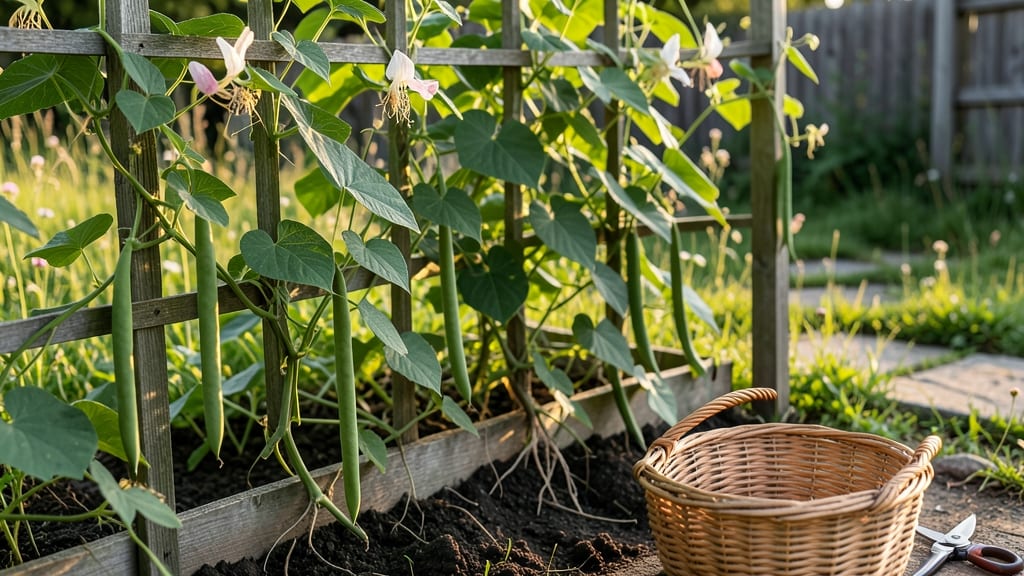
Picking pole beans at the right time ensures you get the tenderest, sweetest pods—but one wrong move can turn them tough and stringy. 🌱
If you've ever bitten into a pole bean that's lost its snap and flavor, you know how quickly things go from perfect to disappointing. The key is watching for those 4-6 inch pods with seeds that haven't yet darkened—those are your sweet spot.
Harvesting at the right stage isn't just about taste; it keeps your plants producing more. When you pick regularly, you encourage the plant to focus on new growth instead of letting pods mature into hard, dry shells.
Below, I'll walk you through the exact visual cues to look for—pod size, color, and firmness—and how often to check your plants for peak flavor and yield every time.

How to identify pole beans ready for harvest using seed color & pod size
Timing your pole bean harvest is an art that balances pod size, seed color, and pod texture. When you pick too early, you waste flavorful beans; too late, and you get tough, stringy pods.
The key is watching for visual cues that signal peak maturity—like when those tiny white seeds inside start changing color. I’ve learned the hard way that overlooking these signs can mean sacrificing the best harvest of the season.
Pole beans reach their prime when pods measure between 4 to 6 inches in length. This is your sweet spot for tenderness and flavor.
If you wait until pods stretch beyond 6 inches, the seeds inside will have darkened to green or black, and the pods will lose their crispness. Trust me, that’s when they start tasting more like wood than a fresh garden snack!
Here’s the secret most gardeners miss: the seed color shift is your best indicator. When seeds inside the pod turn from white to pale green, that’s your cue to harvest. If you see dark green or black seeds, you’ve missed the window—the beans will be overripe and tough.
I always check a few pods by gently squeezing them; if they yield slightly, they’re ready.
| Stage | Pod Length | Seed Color | Pod Texture | Action |
|---|---|---|---|---|
| Early | Under 3 inches | White | Very firm | Not ready |
| Ideal | 4-6 inches | Pale green | Firm but yields | Harvest now! |
| Overripe | Over 6 inches | Green/black | Hard, tough | Too late |
One trick I swear by is the snap test. Hold a pole bean pod between your fingers and gently bend it. If it snaps cleanly with a slight give, it’s perfect for picking.
If it bends without snapping or feels like a rubber band, it’s past its prime. This simple test saves me from harvesting beans that are already too mature.
Don’t overlook the pod shape either. Ready-to-harvest beans should be straight and slightly curved, never twisted or lumpy. Twisted pods often mean the plant is stressed, and the beans inside won’t taste as sweet.
I always run my fingers along the pods to check for smoothness—bumpy or irregular shapes are a red flag.
Another pro tip: harvest in the morning when temperatures are cooler. This ensures the pods are at their crispest and most flavorful. I’ve found that afternoon heat can make even perfectly timed beans taste slightly bitter.
Plus, morning harvests mean you can enjoy fresh beans for lunch or dinner right away!
If you’re new to growing pole beans, start by harvesting just a few pods to test their readiness. Once you get the hang of spotting the ideal pod size and seed color, you’ll develop an eye for it.
I like to pick a small batch, cook them up, and taste the difference between freshly harvested beans and ones left too long on the vine.
Remember, the more often you harvest, the more your pole bean plants will produce. When you pick regularly, you encourage the plant to focus on growing new pods instead of letting old ones overripe.
It’s a win-win: you get a steady supply of fresh beans, and the plant stays healthy and productive all season long.
Finally, keep an eye out for pests or diseases that might affect pod development. If you notice discolored spots or holes, address those issues immediately. A healthy plant will produce beans with the best flavor and texture, so don’t skip the regular checks!
With these visual cues in mind, you’ll never miss the perfect moment to harvest your pole beans again. Happy gardening, and may your beans always be tender and sweet!
Best practices for pole bean harvesting frequency to maximize yield
Pole beans thrive when you harvest them regularly—2 to 3 times per week—because this encourages your plants to produce more tender pods instead of letting them mature into tough, stringy messes. Think of it like pruning roses: the more you trim, the bushier and more productive they become.
Skipping harvests can lead to overproduction, where the plant focuses energy on seed development instead of new pods.
I’ve found that morning harvests work best because the pods are crispest after a cool night. Plus, picking early in the day gives you time to enjoy (or preserve) your fresh harvest before the heat of the afternoon sets in.
If you’re away during the week, aim for at least weekly harvests—even if it’s just a quick check to remove a few overripe pods.
When to Pick Pole Beans: Key Harvest Timing
- 📅 Every 2-3 days during peak production (July-August).
- 🌱 Pods 4-6 inches long with seeds just starting to form (not visible through the pod).
- ✂️ Remove pods that snap easily—this signals peak tenderness.
- 🚨 Stop harvesting if pods turn yellow or seeds darken (overripe).
- 🌿 Prune leggy vines after harvests to redirect energy to new growth.
Watch for signs of overproduction, like pods clustering at the top of the plant or leaves yellowing from exhaustion. When this happens, it’s time to prune back the oldest growth by about one-third.
I use clean, sharp scissors to snip just above a leaf node, which encourages the plant to branch out and produce more pods. This technique works especially well for heirloom varieties like Kentucky Wonder, which can get top-heavy with too many beans.
Another trick I swear by is the "pinch-and-pick" method: while harvesting, pinch off any flower buds that haven’t formed pods yet. This might seem counterintuitive, but it forces the plant to focus its energy on the existing pods rather than blooming more flowers.
Over time, this leads to a longer harvest season with consistently tender beans. Just be sure to do this in the morning when the plant is hydrated and resilient.
If your pole beans start producing fewer pods or the ones you do get are small and tough, it might be time to fertilize lightly with a balanced 5-10-10 mix. I apply this in the early morning after watering, so the nutrients soak directly into the roots.
Avoid over-fertilizing, though—too much nitrogen can lead to lush foliage but no beans. The goal is to support the plant’s energy needs without overwhelming it.
Finally, don’t forget to rotate your harvests if you have multiple plants. This prevents any single vine from becoming overburdened and ensures a steady supply of fresh beans. I like to start with the oldest plants first, then move to newer ones as they mature.
This way, I always have something ready to pick, and the plants stay healthy and productive throughout the season. 🌱