
Companion Plants
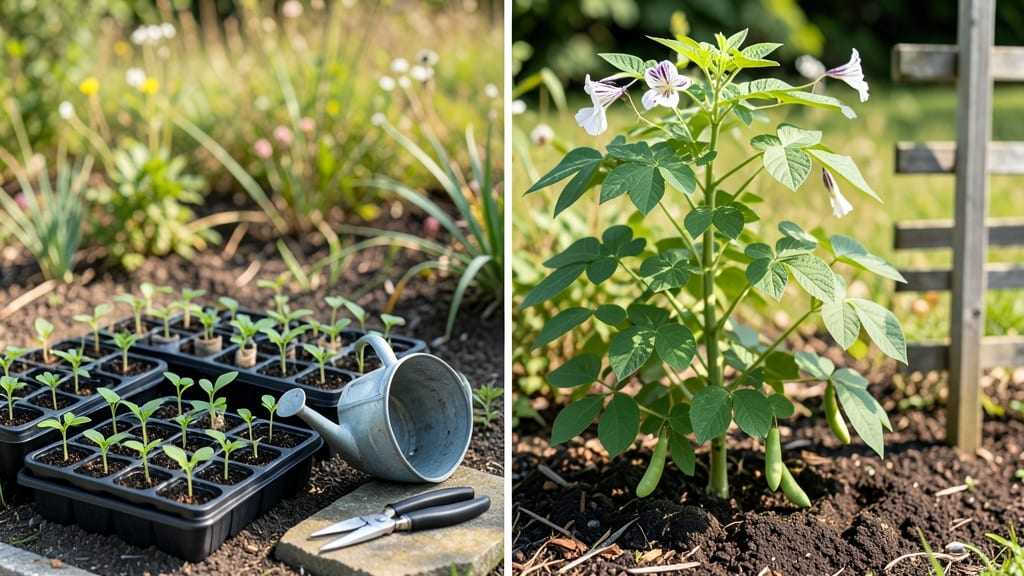
To plant beans in Seattle, wait until after your last frost date—typically between April 15 and June 15—when soil temperatures hit at least 60°F.
Seattle’s unpredictable weather can make or break your bean harvest—plant too early and risk frost damage, too late and miss peak production. Timing is everything for growing thriving bush or pole beans in the Pacific Northwest.
With USDA Zone 8a conditions, you’ve got a narrow window to get seeds in the ground before summer heat arrives. The key is checking soil temps and watching for those last frost warnings—a missed deadline means fewer pods and more frustration.
In this guide, I’ll walk you through the exact planting schedule for Seattle, whether you’re direct-sowing or starting seeds indoors, plus how to stretch your harvest with fall planting tips.
Seattle’s bean planting calendar: soil temperature & frost-free dates
Timing your bean planting in Seattle is all about balancing the city’s cool, wet springs with its short but productive summers. Unlike warmer climates, beans here need soil temperatures above 60°F and protection from late frosts that can linger until mid-May.
Getting this right means the difference between a bountiful harvest and wasted seeds.
Seattle’s USDA Zone 8a climate gives us about 180 frost-free days, but the real magic happens between April 15 and June 15 for spring plantings.
If you’re aiming for a fall harvest, September 1 to October 15 is your window—just be prepared to watch for early frosts starting as soon as October 15.
Here’s the key: Bush beans mature faster (50-60 days) and can handle cooler temps better than pole beans, which need warmer soil (65°F+) and more time (70-90 days). In Seattle, this means bush beans are your safest bet for early spring or late fall plantings.
| Plant Type | Ideal Planting Window | Soil Temp Requirement | Days to Maturity | Frost Risk |
|---|---|---|---|---|
| Bush Beans | April 15–May 10 (spring) or Sept 1–Oct 1 (fall) | 60–65°F | 50–60 days | Low (fast-growing) |
| Pole Beans | May 10–June 15 (spring only) | 65°F+ | 70–90 days | High (needs long season) |
🌱 Pro Tip: Use a soil thermometer to confirm temps before planting—Seattle’s damp soil can stay cold longer than you think!
For spring plantings, I recommend starting with bush beans in late April when soil temps hit 60°F. If you’re eager to try pole beans, wait until mid-May when the risk of frost drops significantly.
Use row covers if planting early to add an extra 2–4°F of warmth and extend your window.
Seattle’s fall planting is trickier because first frosts can arrive as early as October 15. Stick to bush beans planted by September 1—they’ll mature before frost. Pole beans won’t have time to produce much in our short fall season, so save them for spring.
If you’re ambitious, try succession planting every 2 weeks in September for a staggered harvest.
One mistake I see often is planting too late in spring, thinking “the weather’s nice now.” But by June 15, days are shortening, and beans need long, sunny days to set pods.
If you miss this window, your harvest will be small or nonexistent. Track your local frost dates—Seattle’s can vary by 2 weeks from year to year!
To check if your soil is ready, stick your finger 2 inches deep. If it feels cool to the touch, wait a few more days. For container gardening, use black pots—they absorb heat faster and can help warm the soil 5–10°F quicker than regular containers.
This is a game-changer for Seattle’s slow-warming springs.
Remember, pole beans need trellises or strong supports, so plan your space carefully. In Seattle’s windy conditions, secure them well—last thing you want is your 6-foot-tall Kentucky Wonder toppling over! Start with 3–4 bush bean plants in a small garden to test your timing before committing to larger plantings.
If you’re new to Seattle gardening, keep a planting journal. Note the exact dates you plant, soil temps, and when frosts hit. Over time, you’ll spot patterns and adjust your schedule.
For example, I planted Blue Lake beans on May 5 last year and got a great harvest—this year, I’ll push it to April 25 with row covers for an earlier start.
Don’t forget: Seattle’s rain can delay planting, but it also keeps your soil moist once you do plant. Just avoid working the soil when it’s soggy—compaction will stunt your beans. If your garden is waterlogged, amend with compost or coconut coir to improve drainage before planting.
Best bean varieties for Seattle’s climate & how to extend the growing season
Seattle’s cool, damp summers demand cold-hardy bean varieties that thrive without scorching heat. I’ve found 'Contender' bush beans and 'Kentucky Wonder' pole beans perform best here, maturing quickly before fall rains set in.
These varieties tolerate 55-75°F temperatures—perfect for Seattle’s USDA Zone 8a—while resisting common fungal diseases like rust that plague other beans.
For extended harvests, I recommend 'Blue Lake' beans, which produce 2-3 weeks longer than standard varieties. Their compact growth habit (3-4 feet tall) makes them ideal for container gardening or small spaces.
If you’re short on garden beds, 'Mascotte' dwarf beans reach just 18-24 inches and thrive in 5-gallon pots.
When to Plant Beans in Seattle
✅ Pros
- Soil temp ≥60°F ensures germination
- After last frost (mid-April) avoids cold damage
- Succession planting extends harvest into fall
❌ Cons
- Early planting risks frost if soil stays cold
- Late planting (after July) yields small harvests
- Seattle’s rain increases fungal risks without airflow
To protect beans from Seattle’s unpredictable frost, I swear by floating row covers (like Agribon) during late May and September. These lightweight fabrics raise soil temps by 5-8°F while allowing sunlight through.
For pole beans, I install trellises near south-facing walls to maximize warmth—brick or stucco absorbs heat during the day and radiates it at night.
For fall harvests, start seeds indoors by August 1 and transplant outdoors in early September. 'Provider' bush beans are my go-to for late-season planting—they mature in just 50 days and tolerate 45°F nights.
Pair them with straw mulch to insulate roots and reduce watering needs during Seattle’s wet autumns.
Container gardening is a game-changer for Seattle gardeners with limited space. I grow 'Blue Lake' beans in 10-gallon fabric pots filled with 50% compost and 50% coconut coir for drainage. Move pots to sunniest spots during overcast days and elevate them slightly to prevent root rot from standing water.
Remember: Succession planting every 2 weeks from May to July ensures a steady supply of fresh beans. Even if your first planting fails due to unexpected rain, you’ll still have harvests through September.
And if all else fails? 'Tendercrop' beans are the most forgiving variety—they’ll produce some pods even in less-than-ideal conditions.