
Plants
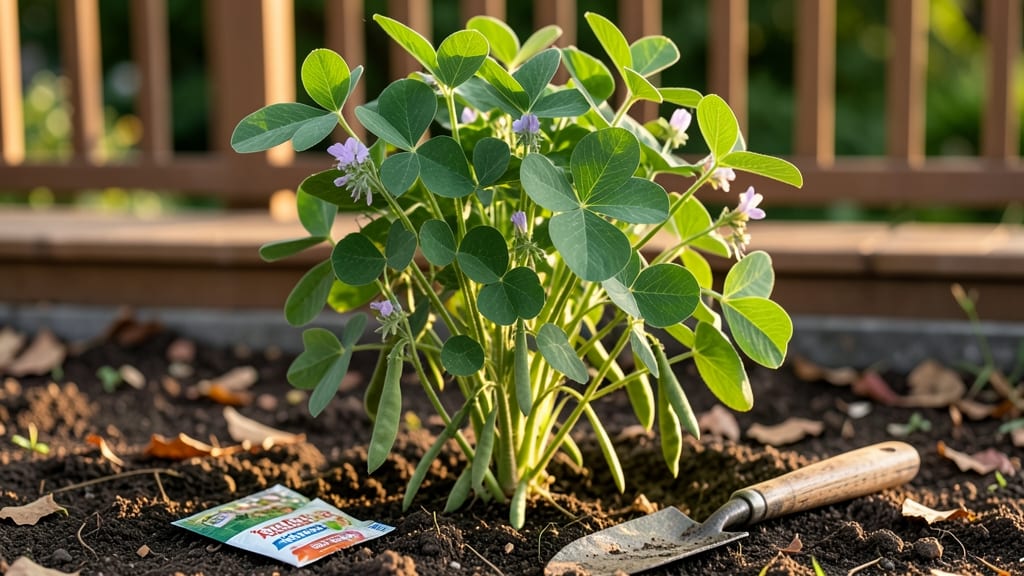
Plant fava beans in Zone 8 during fall or early spring—timing this right means the difference between a thriving crop and a failed experiment.
Fava beans 🌱 love cool weather but bolt in summer heat, so getting them in the ground too early or too late can leave you with nothing but empty vines.
If you’ve ever watched your seedlings struggle through a sudden heatwave or freeze, you know how critical the window really is.
Zone 8’s mild winters and warm springs create two perfect planting opportunities: late summer for a fall harvest or early spring for a summer one. The key is aligning your schedule with frost dates and soil temperatures—neither too hot nor too cold—to give these beans the best shot at success.
Below, I’ll break down the exact months to plant, how to prep your soil, and how to handle Zone 8’s tricky microclimates so you can enjoy fresh, homegrown fava beans all season long.
Best planting windows for fava beans in Zone 8’s cool season
Fava beans love cool weather, but in Zone 8, the timing can be tricky. Unlike northern climates, Zone 8 offers two distinct planting windows—fall and early spring—each with unique challenges.
Plant too early, and heat stress can stunt growth; too late, and frost arrives before harvest. The key is aligning your planting with temperature thresholds and local microclimates.
For fall planting, aim for September through early November, when daytime temps hover between 60°F and 75°F. This gives plants 60–90 days to mature before winter frost. Inland areas may need earlier starts, while coastal regions can extend planting into late fall.
Spring planting should begin February to early April, once soil temps drop below 80°F and nighttime lows stay above 40°F.
Zone 8’s microclimates play a huge role. Coastal areas stay milder longer, allowing later fall plantings, while inland valleys can experience early frosts by late October. Always check your last frost date—most Zone 8 regions see frost between November 15 and December 15, but elevations above 2,000 feet may freeze earlier.
To prep for fall planting, start in late summer by enriching soil with compost or aged manure. Fava beans thrive in well-draining, slightly acidic soil (pH 6.0–7.0).
Work in 2–3 inches of compost and ensure beds are weed-free. If your soil retains too much moisture, amend with sand or perlite to prevent rot.
For fall plantings, soak seeds overnight to speed germination. Plant 1–2 inches deep, spacing seeds 2–3 inches apart in rows 18 inches apart. Use a light mulch (straw or shredded leaves) to retain moisture and regulate soil temps.
Avoid heavy mulches, which can smother young plants or trap excess moisture.
In Zone 8’s unpredictable climate, monitor weather forecasts closely. If a heatwave hits after planting, provide shade cloth (30–50%) to protect seedlings. Conversely, if frost threatens before harvest, use row covers or move potted plants to a sheltered spot.
Even a light frost can damage pods, so time harvests carefully.
Spring plantings require patience. Wait until nighttime temps stay above 40°F and daytime highs don’t exceed 75°F. Start seeds indoors 4–6 weeks before last frost for a head start. Harden off seedlings by gradually exposing them to outdoor conditions over 7–10 days before transplanting.
Pro tip: Use companion planting to extend your season. Pair fava beans with lettuce, spinach, or carrots, which thrive in their shade. Avoid planting near onions or garlic, as they can stunt fava bean growth. Rotate crops yearly to prevent soil-borne diseases like fusarium wilt.
With the right timing, fava beans in Zone 8 can produce 2–3 pounds per plant—a nutrient-rich harvest perfect for soups, salads, or dried beans. Pay attention to your local microclimate, and don’t hesitate to adjust planting dates by 1–2 weeks based on weather trends. Happy growing! 🌱
How to adjust planting for Zone 8’s unpredictable weather patterns
Zone 8’s unpredictable weather can turn your fava bean dreams into a gamble—one day scorching heat, the next a surprise frost. But with the right adjustments, you can protect young plants and extend your growing season.
The key is proactive planning that accounts for heatwaves, early frosts, and erratic rainfall without sacrificing your harvest.
Start by monitoring microclimates in your garden. Coastal areas stay milder, while inland spots can swing 20°F in a week. Use a soil thermometer to track temperatures—fava beans thrive when soil stays between 50°F and 70°F.
If summer heat lingers, delay planting until late August or early September to avoid stressing seedlings.
⚠️ WARNING: DON’T PLANT TOO EARLY! ⚠️
For early frosts, use row covers or cold frames to shield young plants. Fava beans can tolerate light frosts (28°F), but prolonged cold (20°F) will kill them.
Plant hardier varieties like ‘Himalaya 270’ if you’re pushing the season—these handle colder snaps better than others. In high-desert Zone 8, aim for September planting to avoid winter dormancy issues.
Companion planting is your secret weapon against erratic weather. Pair fava beans with lettuce, spinach, or carrots to create a shade canopy that cools roots during heatwaves. Avoid planting near onions or garlic, which can stunt growth.
If rainfall is unpredictable, install a drip irrigation system on a timer to ensure consistent moisture—fava beans hate drought stress but also root rot from soggy soil.
Extend your season with successive planting. Sow a small batch every 2–3 weeks from September to November to stagger harvests. Use raised beds filled with compost-rich soil to warm up faster in spring, giving you an early start if winter was mild.
If spring arrives early, plant in March for a summer harvest—just be ready to shade plants if late heat hits.
Finally, prune aggressively during heatwaves to redirect energy to root growth. Remove flower buds if temps exceed 80°F to prevent bolting. With these strategies, you’ll turn Zone 8’s unpredictable weather into an advantage—bigger yields, longer seasons, and happier plants. 🌱