
Plants
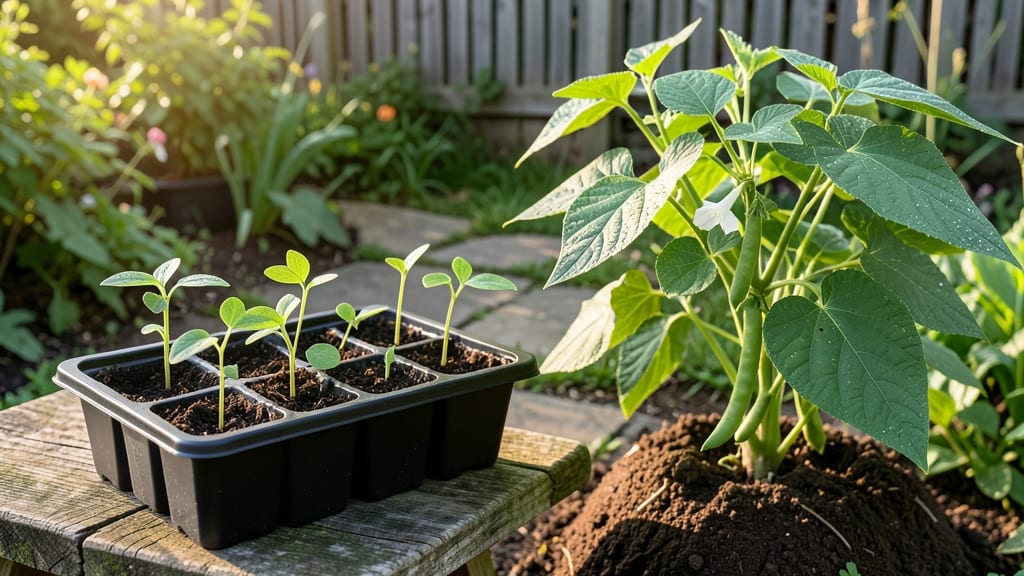
Planting green beans in Alabama at the right time means the difference between a garden full of crisp pods and one that struggles in the heat or wilts from frost 🌱.
Alabama’s warm climate and long growing season make it ideal for green beans—but planting too early or late can mean the difference between a bountiful harvest and wilted disappointment. Timing isn’t just about the calendar; it’s about soil temperature, frost dates, and even the right variety for your region.
In USDA zones 7a-8b, green beans thrive when soil temperatures hit 60°F or higher, which usually means waiting until mid-March for spring plantings or late July for fall harvests. Miss that window, and you risk stunted growth or pests taking over.
Below, I’ll break down the exact planting windows for your part of Alabama, soil prep tricks to ensure strong sprouts, and the best varieties to grow—so you can enjoy fresh-picked beans from June through October.
Best planting months for green beans in Alabama based on soil temperature
Alabama gardeners know timing is everything when growing green beans. While the state’s mild winters and hot summers create ideal conditions, soil temperature and frost dates determine success. Green beans need consistent warmth—soil must reach 55°F+ for germination, but 60°F+ ensures faster growth.
Planting too early risks cold soil and slow sprouts, while late planting may mean overlapping harvests with summer heat stress.
Alabama spans USDA zones 7a-8b, creating microclimates where North Alabama (e.g., Huntsville) has cooler springs, and South Alabama (e.g., Mobile) enjoys earlier planting. The last frost date varies from mid-March in the south to early April in the north, but soil temperature is the true guide—not the calendar.
Use a soil thermometer to confirm readiness before sowing seeds.
Spring planting is the most common window, starting 2-3 weeks after the last frost when soil hits 60°F+. For North Alabama, this typically means late April to early May, while South Alabama can begin as early as mid-March. Fall planting is less common but works for heat-tolerant varieties, with seeds going in late July to early August for a September-October harvest before frost.
Here’s a quick reference for Alabama’s green bean planting windows by region and season:
For spring planting, aim to sow seeds 1 inch deep and 3-4 inches apart in rows 18-24 inches apart.
Use black plastic mulch to warm soil faster in cooler zones. Fall plantings should focus on heat-tolerant varieties like ‘Contender’ or ‘Rattlesnake’, with seeds sown 1-2 weeks earlier than summer plantings to avoid late-season heat stress.
Alabama’s frost-free season spans 210-240 days, giving gardeners flexibility.
However, early varieties (e.g., ‘Blue Lake’) mature in 50-55 days, so plant them first in spring for a June harvest. Late varieties (e.g., ‘Kentucky Wonder’) take 60-65 days and are better for fall plantings to extend the harvest into October.
Pro tip: Check Alabama’s frost-free date maps from the Alabama Cooperative Extension for your exact location. For example, Mobile’s last frost is February 15, while Huntsville’s is March 20. Adjust your planting window by 2-3 weeks if your area is cooler than average.
If you’re unsure about soil temperature, use biodegradable seed starter pots to germinate seeds indoors 10-14 days before the ideal outdoor planting date. Transplant seedlings when soil reaches 60°F+ and nighttime temps stay above 50°F. This method buys time in North Alabama’s cooler springs.
Remember, green beans hate cold soil. If your soil is below 55°F, wait—even if the calendar says it’s spring. Patience now means healthier plants and bigger yields
How to prepare Alabama soil for green bean success (and avoid common mistakes)
Alabama’s clay-heavy soils and high humidity create unique challenges for growing green beans. While these conditions can lead to fungal diseases, proper soil preparation transforms them into an asset.
The key is balancing organic matter, drainage, and pH levels to create an environment where beans thrive—not just survive.
Start by testing your soil pH—green beans prefer a range of 6.0 to 7.0. Alabama’s natural acidity often skews lower, so you may need to add lime or wood ash to adjust.
Even a slight pH shift can improve nutrient uptake and reduce disease pressure, which is critical in our humid climate.
⚠️ callout warning
Alabama’s summer humidity creates the perfect storm for fungal diseases like white mold. While green beans need consistent moisture, soggy soil invites trouble. Water at soil level (not overhead) and always in the morning to allow foliage to dry quickly. Mulch with straw or pine needles to retain moisture without suffocating roots.
Next, tackle drainage—a common pitfall in Alabama’s clay soils. If water pools after rain, amend your soil with compost or aged manure to improve structure. For raised beds, mix in coarse sand or perlite to create air pockets.
Well-draining soil prevents root rot, which is especially important for bush beans that develop shallow root systems.
Incorporate 2-3 inches of compost or well-rotted manure before planting. This boosts organic matter, which holds moisture and nutrients while encouraging beneficial microbes. Alabama’s heat can deplete soil nutrients quickly, so don’t skimp—green beans are heavy feeders and will reward you with higher yields if the soil is rich.
For companion planting, pair green beans with corn or cucumbers to deter pests like Mexican bean beetles. Corn provides shade for young plants, while cucumbers repel aphids.
Avoid planting near onions or fennel, as their aromatics inhibit bean growth. In Alabama’s heat, these pairings also create microclimates that reduce stress on your bean plants.
Finally, consider succession planting in late summer for a fall harvest. After your first planting’s harvest, loosen the soil, add a light compost top-dressing, and sow a second crop.
Alabama’s fall temperatures (especially in zones 7a-8b) remain ideal for beans until early October, giving you a second chance at a bountiful harvest.