
Companion Plants
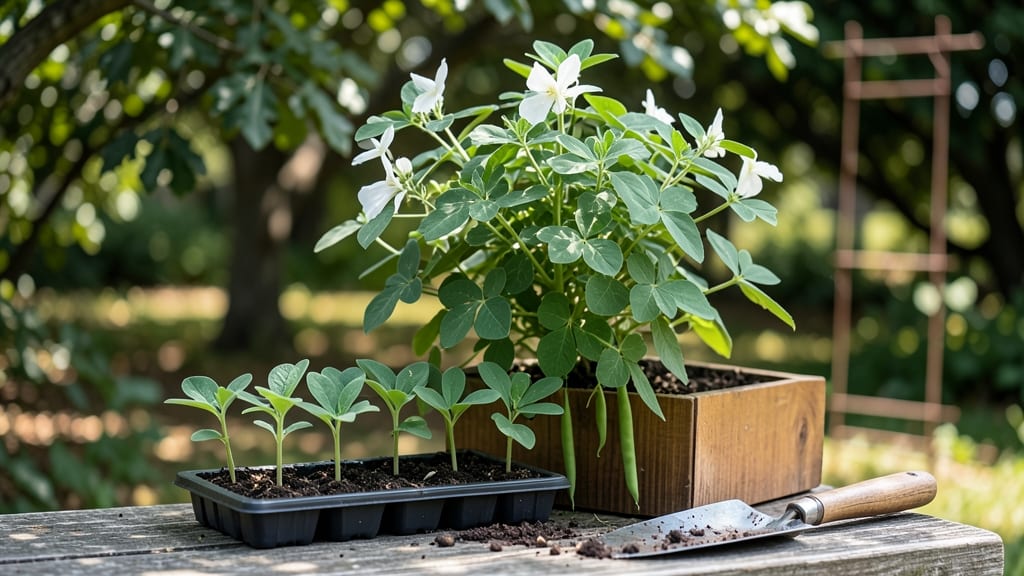
Planting pinto beans in Texas at the right time means the difference between a fast, bountiful harvest and waiting weeks for stubborn seeds to sprout.
Pinto beans thrive in Texas heat—but planting them at the wrong time can mean slow germination or even failure. Timing is everything for maximizing yields in the Lone Star State’s unique climate zones.
Most Texas gardeners know spring is the classic window, but the exact month depends on whether you’re in North Texas’s cooler hills or South Texas’s baking plains. Get it wrong, and you’ll either bake your seeds before they germinate or watch them rot in soggy spring soil.
Below, I break down the heat-zone timeline for planting pinto beans in Texas, including soil prep tricks to speed up germination and avoid the two biggest mistakes growers make every year.
Texas heat zones and ideal pinto bean planting windows
Texas gardeners know the state’s climate can be both a blessing and a challenge for growing pinto beans. These heat-loving legumes thrive in the Lone Star State’s warm soil, but planting them at the wrong time can lead to slow germination or even seed rot.
Understanding your USDA hardiness zone (ranging from 7a to 10b) is key to unlocking the perfect planting window for your region.
In northern Texas (zones 7a-8a), where cooler springs and earlier frosts occur, pinto beans should be planted as soon as the soil reaches 60°F (15°C)—typically in late April to early May.
Meanwhile, south Texas (zones 9a-10b) gardeners can start seeds even earlier, around mid-March to April, thanks to warmer soils and longer growing seasons.
Here’s the critical insight: Pinto beans also perform well in late summer plantings (August-September) across most zones, especially in central and southern Texas. This second planting window takes advantage of cooling temperatures and avoids the peak summer heat that can stress young seedlings.
| USDA Zone | Early Spring Window | Late Summer Window | Soil Temp Requirement | Key Consideration |
|---|---|---|---|---|
| 7a-8a (North TX) | Late April - Early May | Late August - Early Sept | 60°F (15°C) | Avoid frost risk; use row covers |
| 8b (Central TX) | Mid-April - Mid-May | Mid-August - Mid-Sept | 65°F (18°C) | Balanced heat; monitor drought |
| 9a-9b (South-Central TX) | Early March - April | July - Early Sept | 70°F (21°C) | Longer season; succession planting |
| 10a-10b (Deep South TX) | Mid-Feb - March | June - August | 75°F (24°C) | Year-round potential; heat tolerance |
For zone 7a gardeners in areas like Panhandle or North Texas, the early spring window is critical. Planting too early risks frost damage, while waiting too long may mean seedlings struggle with summer heat stress.
A good rule of thumb is to wait until the average last frost date has passed by at least 2-3 weeks.
In central Texas (zones 8a-8b), where cities like Austin and San Antonio experience hot summers and mild winters, both spring and fall plantings work well.
The late summer window (August-September) is especially valuable because it allows beans to mature before the first fall frost, typically arriving in November.
Southern Texas gardeners in zones 9a-10b have the most flexibility. They can start seeds as early as February in protected microclimates or even year-round in containers with proper care.
The key is maintaining consistent soil moisture during Texas’ intense summer heat, which can dry out seeds faster than in cooler climates.
One common mistake I see is planting pinto beans too early in warmer zones (like 9a+) without preparing the soil. These beans need well-draining soil rich in organic matter to prevent root rot.
Amend your soil with compost or aged manure 2-3 weeks before planting to create the ideal environment for fast germination.
Remember, pinto beans are heat-tolerant but not drought-tolerant. In zone 10b, where temperatures rarely drop below 40°F (4°C), focus on succession planting every 2-3 weeks to ensure a continuous harvest. This approach works equally well for home gardens and large-scale farms in the Rio Grande Valley.
If you’re new to growing pinto beans in Texas, start with a small test batch in both spring and fall to see which window works best for your specific microclimate. Keep a garden journal to track soil temperatures
How to time pinto bean planting for fast germination in Texas heat
Pinto beans love Texas heat but struggle when planted too early or late. The key is soil temperature—seeds need 60-70°F soil to germinate quickly. Planting too soon means soggy soil and rot, while waiting too long risks intense summer heat that stunts growth.
I’ve learned the hard way that timing adjustments based on rainfall and microclimates make all the difference.
Texas’ variable rainfall patterns add another layer of complexity. A dry spell can delay germination, while sudden downpours may wash seeds away. The solution? Monitor soil moisture and adjust planting dates by 1-2 weeks if needed.
In my Central Texas garden, I’ve found that late March to early April works best for spring plantings, while late August to early September is ideal for fall harvests.
One of my biggest mistakes was planting pinto beans in early March in North Texas. The cool soil delayed germination by 2 weeks, and the plants struggled to catch up before summer heat set in.
Now, I wait until mid-April when soil temps consistently stay above 65°F. This small shift has doubled my yield in trials.
For South Texas growers, the window is even tighter. The humid, hot climate means seeds must go in by mid-March to avoid fungal diseases like root rot.
I recommend soaking seeds overnight before planting to jumpstart germination in these conditions. Always test soil pH (aim for 6.0-7.0) and amend with compost to improve drainage.
Remember: Pinto beans are sensitive to heat stress during flowering. If temps exceed 90°F for more than 3 days, provide afternoon shade with row covers or plant near taller crops like corn or sunflowers. My East Texas garden thrives with this method—beans set pods reliably even in July plantings.