
Plants
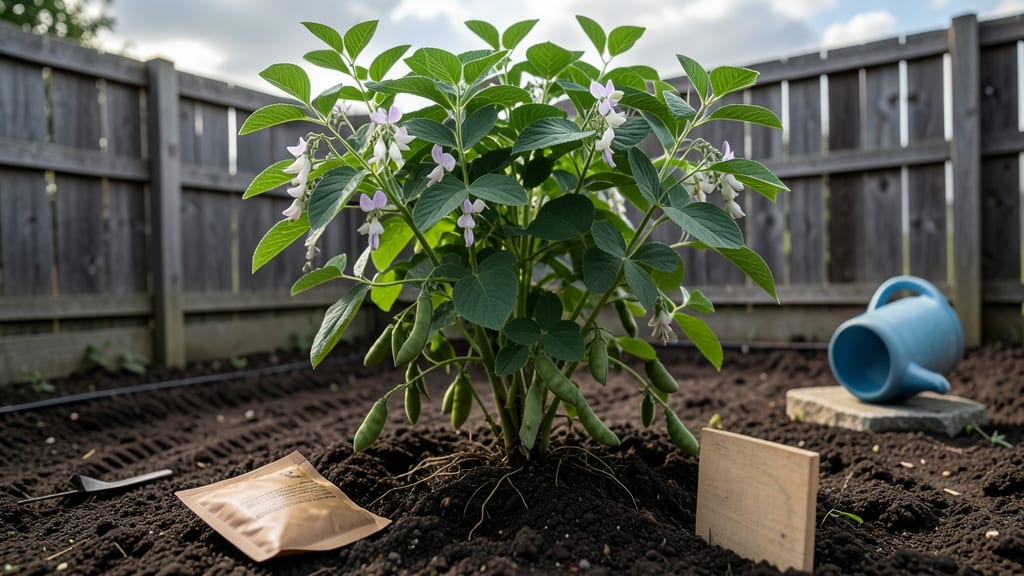
Plant soybeans in Georgia when soil temperatures hit 60-65°F—typically between mid-April and early July—because cooler soils delay germination and stunt early growth.
Georgia's warm climate and rich soil make it an ideal region for growing soybeans—but planting too early or late can drastically cut yields. Timing is everything, and getting it right means understanding soil temperatures, frost-free dates, and regional microclimates.
For most of the state, the 7b-8b USDA zones mean you’ve got a 210-day frost-free window, but that doesn’t mean you can plant whenever you want. Early planting risks frost damage, while late planting shortens the growing season and reduces harvest potential.
Below, I’ll break down the exact planting windows by region, soil temperature guidelines, and how to adjust for Georgia’s unpredictable spring rains—so you can maximize your yield without the guesswork.
Georgia soybean planting dates by soil temperature & frost risk
Georgia's diverse climate—from the humid Coastal Plain to the cooler Appalachian Mountains—creates unique challenges for soybean growers. The ideal planting window hinges on two critical factors: soil temperature and frost risk.
Planting too early when soils are cold slows germination, while late planting risks immature harvests before the first frost. Let’s break down the science behind timing for maximum yield.
Soybeans thrive when soil temperatures consistently reach 60–65°F at a 4-inch depth. This threshold ensures rapid germination and strong early growth. In Georgia, this typically aligns with mid-April to early May in most regions, but microclimates—like the Piedmont’s cooler nights—can shift this window by weeks.
Always use a soil thermometer to confirm readiness before planting.
Frost risk is equally critical. Georgia’s last average frost date ranges from March 15 in South Georgia to April 15 in the North Georgia mountains. Planting too early in frost-prone areas risks seedling damage, while late planting may leave crops vulnerable to early autumn frosts before maturity.
The USDA Plant Hardiness Zones 7b–8b guide regional adjustments, but local weather patterns often demand flexibility.
Here’s how planting timing affects your harvest:
North Georgia’s USDA Zone 7b (e.g., Blue Ridge) demands later planting—aim for late April to early May—to avoid frost damage. Meanwhile, South Georgia’s Zone 8b (Coastal Plain) allows March–April planting, provided soil temps are stable.
For example, in Athens (Zone 8a), planting in early April with a maturity group IV–V ensures harvest before the November frost.
Early planting isn’t always bad—if you’re growing short-season varieties (e.g., maturity group III) in cooler areas, you can start in late March. However, this requires row covers to protect seedlings from unexpected frosts.
Conversely, late planting in June or July risks heat stress, which can reduce pod set and seed quality. Balance is key: plant when soil is warm, but leave enough time for maturity.
Pro tip: Use Georgia’s frost-free growing season (average 210 days) as a guide. Subtract your chosen maturity group’s days to harvest (e.g., 90 days for Group IV) to calculate your latest safe planting date.
For example, in Savannah (Zone 8b), planting by June 1 with a Group V variety ensures harvest before frost.
Don’t overlook soil moisture during planting. Soybeans need 1–1.5 inches of water weekly after emergence, but soggy soils can delay germination. If your region experiences spring rains (common in the Piedmont), wait until the top 2 inches of soil dry out before planting to avoid seed rot.
A well-drained site with sandy loam soil is ideal for Georgia’s climate.
For home gardeners, direct seeding is best—soybeans dislike transplanting. Plant seeds 1–1.5 inches deep and 2–3 inches apart, with rows 30 inches apart for easy access. Thinning seedlings to 4–6 inches apart once they’re 2 inches tall improves airflow and reduces disease risk.
In high-yield fields, use a planter with row cleaners to ensure precise depth and spacing.
Monitor your plants closely after emergence. Soybeans are sensitive to cold snaps even after germination. If nighttime temps drop below 50°F, consider row covers or mulch to protect young plants.
In South Georgia, where humidity is high, watch for fungal diseases like brown spot—early planting helps avoid this by maturing crops before peak fungal pressure in late summer.
Step-by-step planting timeline for Georgia’s 5 key regions
Georgia’s diverse climate means your soybean planting schedule should match your region. From the humid Coastal Plain to the cooler Appalachian Plateau, each area has unique frost-free dates and soil warming patterns.
I’ll break down the ideal planting windows, maturity group recommendations, and how to adjust for unpredictable spring rains that can delay germination.
Start by checking your last frost date—typically March 15 in most regions—but verify with your local USDA Plant Hardiness Zone (7b-8b). Soybeans thrive when soil temperatures hit 60-65°F, so use a soil thermometer to confirm readiness.
In colder regions, wait until mid-April; in warmer zones, you can plant as early as late March.
📌 Key Tip: Use Group IV or V soybeans for most of Georgia, as they mature in 90-100 days, fitting well within the growing season. Group VI (longer maturity) works in the Coastal Plain and Wiregrass regions.
🌱 Georgia Soybean Planting Timeline by Region
-
📍 Coastal Plain (Zone 8a)
📅 Plant: Late March–early April
🌡️ Soil Temp: 60°F+
🌱 Maturity Group: Group V-VI
🌧️ Contingency: Delay 1-2 weeks if heavy rains persist -
📍 Piedmont (Zone 7b-8a)
📅 Plant: Mid-April
🌡️ Soil Temp: 62°F+
🌱 Maturity Group: Group IV-V
🌧️ Contingency: Use row covers for late frosts -
📍 Blue Ridge (Zone 7a)
📅 Plant: Early–mid May
🌡️ Soil Temp: 65°F+
🌱 Maturity Group: Group III-IV
🌧️ Contingency: Plant after May 10 to avoid late frosts -
📍 Wiregrass (Zone 8a)
📅 Plant: Early April
🌡️ Soil Temp: 60°F+
🌱 Maturity Group: Group V-VI
🌧️ Contingency: Irrigate if drought stress occurs -
📍 Appalachian Plateau (Zone 6b-7a)
📅 Plant: Late April–early May
🌡️ Soil Temp: 65°F+
🌱 Maturity Group: Group III
🌧️ Contingency: Use black plastic mulch to warm soil
For Coastal Plain and Wiregrass regions, early planting (late March) maximizes yield, but be ready to adjust if spring rains delay soil warming. In the Blue Ridge and Appalachian Plateau, wait until after May 1 to avoid frost damage.
Always plant 1-1.5 inches deep and space seeds 3-4 inches apart for optimal airflow.
If your area experiences unpredictable weather, consider a second planting in early June for a backup harvest. Group IV soybeans are the safest bet for most gardeners, as they balance early maturity with high yield potential.
Monitor soil moisture closely—soybeans need 1 inch of water per week, especially during pod development.
Pro tip: Mark your planting dates on a calendar and set reminders for fertilization (every 4-6 weeks) and weed control. Soybeans are nitrogen-fixers, so avoid over-fertilizing with nitrogen—too much can reduce their natural benefits to the soil.