
Companion Plants
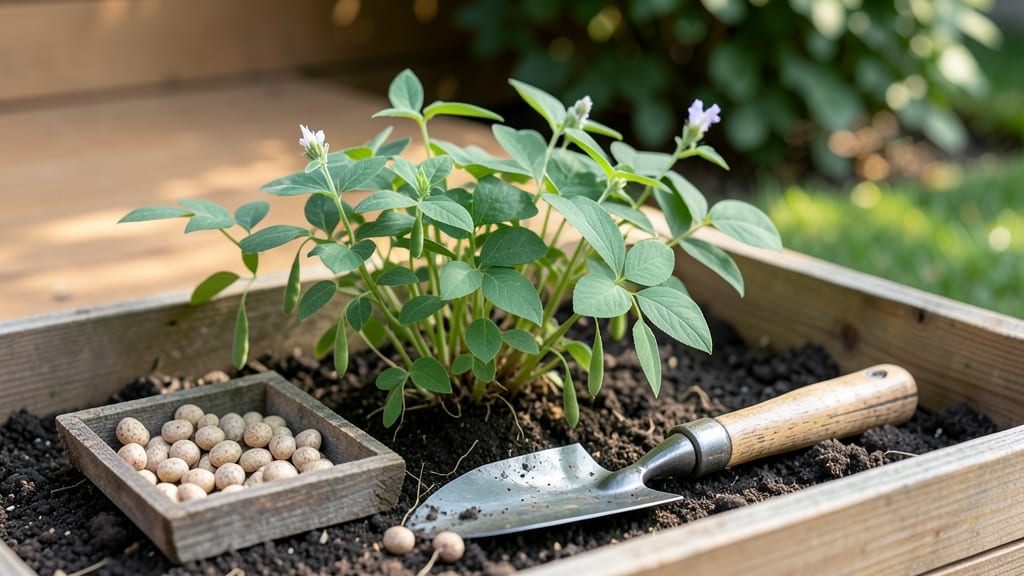
Planting soybeans in Ontario after the last frost when soil hits 59°F ensures strong germination and a high-yield harvest by fall.
Timing your soybean planting in Ontario can mean the difference between a thriving crop and wasted seeds—get it wrong, and you risk frost damage or poor yield. With USDA zones 5a-6b and unpredictable spring weather, knowing the exact frost-free window is critical.
Most Ontario growers aim for mid-May to early June, but soil temperature matters more than the calendar. Cold soil delays germination, while warm, moist conditions kickstart growth—so test before planting.
Below, I break down the ideal planting window by zone, soil temperature triggers, and how to adjust for late springs or early frosts—so you can maximize your 🌱 soybean harvest from late August to October.
Ontario soybean planting timeline by hardiness zone (5A to 6B)
Ontario’s diverse climate zones—from 5A’s colder northern regions to 6B’s warmer southern areas—create distinct planting windows for soybeans. Missing the frost-free date by even a week can stunt growth or invite frost damage. Let’s break down the optimal planting windows for each zone to maximize your yield potential.
Soybeans thrive when planted after the last average frost date, but soil temperature matters just as much. In Ontario, soil should reach at least 15°C (59°F) before sowing seeds directly. Warmer zones like 6B can start earlier, while 5A may need to wait until late May or early June.
Here’s how to align your planting schedule with Ontario’s hardiness zones and frost-free trends:
| Zone | Last Frost Date (Avg.) | Soil Warms to 15°C (59°F) | Optimal Planting Window | Frost Risk Window | Notes |
|---|---|---|---|---|---|
| 5A (Northern ON: Thunder Bay, Sault Ste. Marie) | May 20–25 | Late May (May 25–30) | Late May to early June | Late May–June 10 | Use row covers for early starts |
| 5B (Central ON: London, Kitchener) | May 10–15 | Mid-May (May 15–20) | Mid-May to late May | May 10–June 5 | Black soil warms faster—monitor temps |
| 6A (Southwest ON: Windsor, Chatham) | April 25–May 5 | Early May (May 5–10) | Early to mid-May | April 25–May 20 | Early planting possible with soil warming |
| 6B (Southern ON: Niagara, Leamington) | April 15–20 | Late April (April 25–May 5) | Late April to early May | April 15–May 10 | Fastest soil warming—ideal for early varieties |
Zone 5A growers should prioritize late May planting to avoid late frosts, which can kill young seedlings. In contrast, 6B’s warmer climate allows for planting as early as late April, giving soybeans a longer growing season. Always check your local Environment Canada frost forecasts for real-time adjustments.
Soil type plays a critical role in Ontario. Black soil regions (common in southwestern Ontario) warm faster than sandy soils in northern areas. If you’re in a cooler zone, consider using black plastic mulch to raise soil temperatures by 5–10°F, extending your planting window.
For maximum yield potential, aim to plant soybeans when daytime temperatures consistently stay above 20°C (68°F). In 5A, this typically aligns with early June, while 6B can achieve this by late May. Monitor your local agricultural extension reports for year-to-year variations in frost dates.
If you miss the ideal window, don’t panic. Soybeans are resilient and can tolerate light frosts once established. However, planting after June 15 in any zone risks reduced pod development. For late plantings, choose shorter-maturity varieties (e.g., ‘Maple Amber’) to ensure harvest before frost.
Pro tip: Use a soil thermometer to confirm readiness. Soybean seeds need consistent warmth to germinate—cold, damp soil can lead to rot. Plant seeds 1–2 inches deep and space rows 18–24 inches apart for optimal airflow and sunlight penetration.
🌱
Soil temperature triggers for soybean germination in Ontario’s climate
Soybeans need warm soil to germinate properly, and in Ontario, this means waiting for consistent temperatures between 45°F–50°F at a depth of 2 inches. Cold soil slows germination, while waiting too long risks late-season frosts.
Understanding these triggers helps you time your planting for the best yield potential in Ontario’s varied climate.
Ontario’s black soil regions (like southwestern areas) warm faster than sandy soils in the north, meaning planting dates can shift by weeks. For example, black soil may reach ideal temps by mid-May, while sandy soils might need to wait until early June.
This regional difference is critical for success.
To test soil warmth, use a soil thermometer inserted 2 inches deep. Check temperatures in the morning for accuracy—soil cools overnight. If readings drop below 45°F consistently, wait a few more days. This simple step prevents wasted seeds and ensures strong germination.
In black soil regions, like London or Chatham-Kent, you can plant as early as late April to early May if soil temps are stable. Meanwhile, sandy soils in areas like Ottawa or Thunder Bay may not be ready until late May to early June.
Adjust your planting schedule based on your soil type to avoid delays.
Once soil hits 50°F, germination typically occurs within 7–10 days. If you’re unsure about your soil type, dig a small hole, fill it with water, and observe how quickly it drains.
Slow drainage suggests clay or black soil, while fast drainage indicates sandy soil. This quick test helps you predict warming speeds.
Don’t rush planting—soybeans are sensitive to frost, and young seedlings can’t recover if temperatures dip below 50°F after germination. Use row covers or mulch to protect seedlings if late frosts are forecasted, but focus first on getting soil temps right for the best start.