
Size
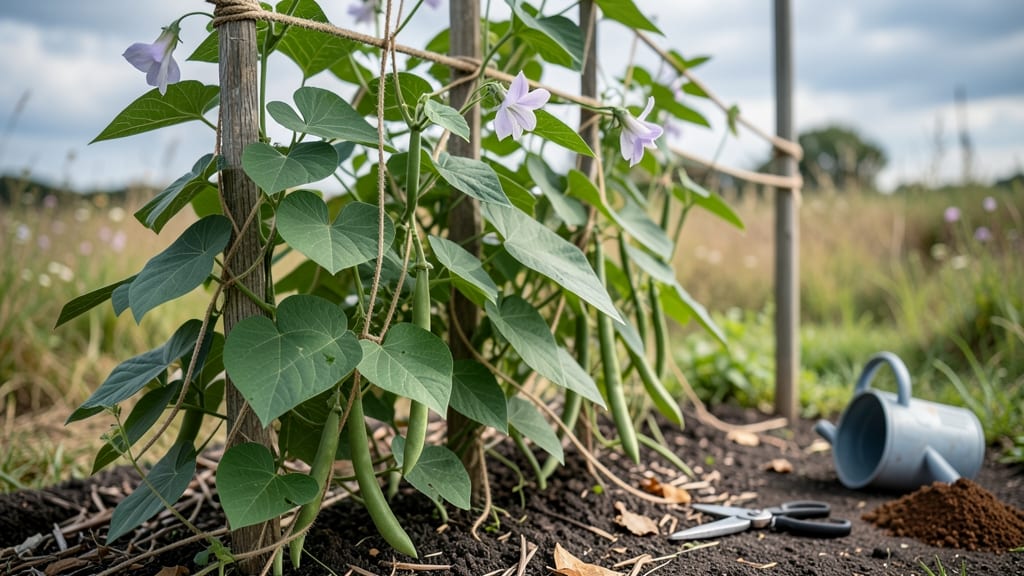
You can find the giant bean, or Luffa aegyptiaca, thriving naturally in tropical regions like Southeast Asia, India, and parts of Africa, where warm climates and high humidity create ideal growing conditions. It’s also commercially cultivated in Florida, California, and Brazil for its fibrous gourds used in loofahs and gardening.
The giant bean plant, also called the loofah gourd, is a tropical vine that loves heat and humidity. 🌿 In its native regions, it climbs trellises or fences, producing long, cylindrical fruits that mature into the fibrous sponges we recognize.
Many tropical gardens in Asia and Africa grow them organically, while commercial farms in the U.S. focus on high-yield production for spa and gardening markets. The plant’s adaptability makes it a favorite for both subsistence farming and specialty agriculture.
What’s fascinating is how these plants respond to their environment.
In Florida’s subtropical climate, they produce larger yields than in cooler regions, while in India, they’re often grown alongside other crops in mixed farming systems. 🌍 This dual-purpose nature—both as a food source (young gourds are edible) and as a sustainable material—makes the giant bean a true global resource.
💡 In This Article
- Climate and Soil Conditions for Giant Bean Growth
- How to Grow Giant Beans at Home: Step-by-Step Guide
Climate and soil conditions for giant bean growth
The giant bean, or Luffa aegyptiaca, thrives in environments where temperatures consistently stay between 70-95°F during the growing season. This tropical vine struggles in cooler climates, as its growth slows below 60°F and can halt entirely in frost-prone areas.
The plant’s native regions—like Thailand, India, and West Africa—provide the perfect balance of warmth and humidity, with relative humidity levels ideally maintained between 60-80%. 🌞 In Florida and California, commercial growers use shade cloths during peak summer months to prevent leaf scorch from temperatures exceeding 95°F.
Well-draining soil is critical for giant beans, which prefer slightly acidic to neutral pH levels (6.0-7.0). Sandy loam soils are ideal because they allow excess water to drain quickly, preventing root rot—a common issue in heavy clay soils.
The plant’s extensive root system requires at least 12-18 inches of loose soil to spread, which is why many tropical farmers incorporate organic matter like compost or coconut husk into the soil before planting.
In Brazil, where giant beans are grown for export, farmers often use raised beds to improve drainage in naturally dense soils.
Sunlight is another key factor, with the plant needing full sun exposure (6-8 hours daily) to produce healthy vines and fruit.
In tropical regions, the plant often climbs naturally on nearby trees or fences, while in commercial settings, trellises are used to maximize vertical space and improve air circulation.
This vertical growth habit isn’t just for space efficiency—it also reduces the risk of fungal diseases by keeping leaves off the ground. 🌱 The combination of warmth, humidity, and sunlight creates the perfect storm for rapid vine growth, often reaching lengths of 15-20 feet in a single season.
What’s interesting is how the plant adapts to different growing conditions. In India, where monsoon seasons bring heavy rainfall, giant beans are often grown in slightly elevated areas to prevent waterlogging. Meanwhile, in Florida’s subtropical climate, growers use drip irrigation systems to maintain consistent moisture without overwatering.
The plant’s ability to tolerate brief periods of drought once established makes it surprisingly resilient, though prolonged dry spells can reduce fruit yield. This adaptability is one reason why giant beans have spread to so many tropical and subtropical regions worldwide.
Soil fertility also plays a crucial role in determining fruit quality. Giant beans are heavy feeders, requiring regular applications of nitrogen-rich fertilizers during the growing season. In organic farming systems, farmers often use legume cover crops like cowpeas to naturally enrich the soil with nitrogen before planting.
The result? Healthier vines that produce larger, more fibrous gourds—ideal for both culinary and industrial uses. 🌿 In commercial operations, soil tests are conducted regularly to monitor nutrient levels, ensuring optimal growing conditions throughout the plant’s 90-120 day growth cycle.
One fascinating aspect of giant bean cultivation is how different regions prioritize different parts of the plant. In Southeast Asia, young gourds are often harvested for culinary use, while in Brazil and the U.S., the focus is on mature gourds for their fibrous properties.
This dual-use nature means farmers must carefully manage growing conditions to balance fruit development for either purpose. For example, allowing gourds to mature fully for fiber production requires longer growing seasons, while earlier harvesting for eating maximizes yield potential.