
Diseases
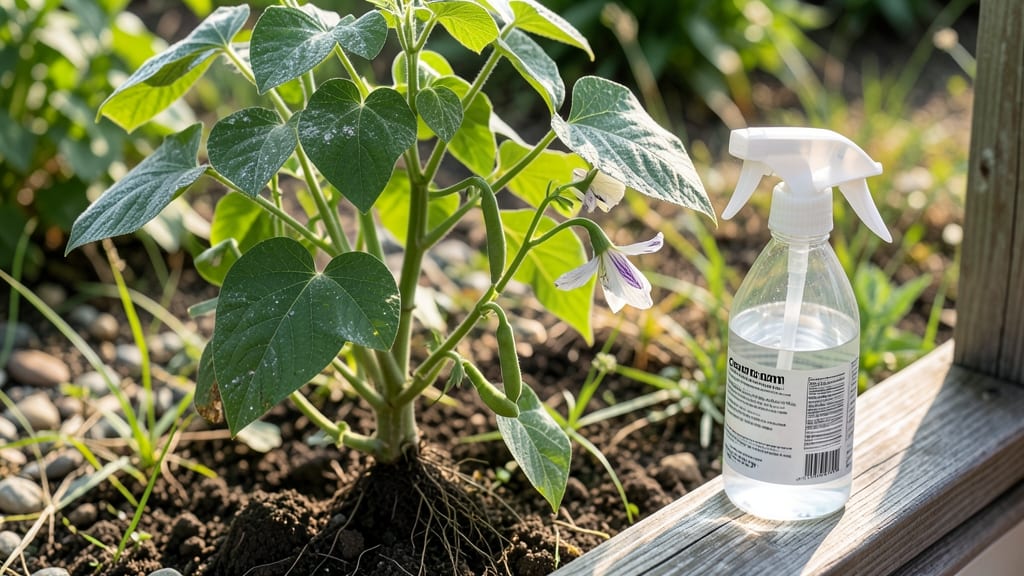
White mold on beans turns your hard work into a fungal nightmare faster than you can say "harvest." 🌱 The moment I spotted that creeping white blanket on my pole beans last summer, I knew my crop was in serious trouble—unless I acted fast.
This guide cuts through the panic with clear steps to stop the spread before it ruins your garden.
White mold thrives in damp, crowded conditions, so proper spacing and airflow are your first line of defense. I learned that the hard way after losing half my beans to this sneaky fungus.
The key is preventing it before it starts—think wider rows, pruning wisely, and avoiding overhead watering. Even experienced gardeners miss these early clues, like wilting leaves or grayish lesions on stems.
Once it appears, you can still fight back with organic sprays (like baking soda mix) or targeted fungicides for severe cases. The goal is to save what you can while breaking the mold's cycle for next season.
With these steps, you'll go from stressed gardener to confident crop protector in no time.
This works for all beans—bush, pole, or snap—no matter your garden size. The secret is acting early and staying vigilant. Let's get your plants back on track before white mold steals another harvest.
Understanding The Hidden Triggers
White mold on beans isn’t just a random bad luck scenario—it’s the result of specific conditions that create the perfect storm for Sclerotinia sclerotiorum, the fungus responsible. This sneaky pathogen thrives when moisture, temperature, and plant stress align just right.
Let’s break down the key culprits behind its spread and how they interact to turn your bean crop into a fungal buffet.
The fungus Sclerotinia sclerotiorum is a water-loving opportunist. When soil stays soggy for prolonged periods—whether from heavy rain, overwatering, or compacted, poorly draining soil—the fungus releases spores that germinate and infect plants. Here’s how it works:
- Excessive leaf wetness: Moisture on foliage (especially during nighttime or early morning) creates ideal conditions for spores to land, stick, and infect. Sclerotinia thrives in humidity levels above 80%.
- Waterlogged soil: Poor drainage prevents oxygen from reaching roots, stressing plants and making them more susceptible. The fungus also produces sclerotia (hard, survival structures) that lie dormant in wet soil until conditions improve.
- Irrigation mistakes: Overhead sprinklers or flood irrigation can splash spores onto leaves, accelerating infection. Drip irrigation is a game-changer here—it delivers water directly to roots while keeping foliage dry.
💡 Pro Tip: Aim for 1–1.5 inches of water per week and water early in the day (before 10 AM) to allow foliage to dry quickly. If your soil feels like a sponge, amend it with compost or sand to improve drainage.
The fungus isn’t picky—it just loves cool to moderate temperatures paired with high humidity. Here’s the science:
| Factor | Fungal Favorite Range | Why It Matters |
|---|---|---|
| Temperature | 60–75°F (15–24°C) | The fungus grows best in this range. Below 50°F (10°C), it slows down; above 85°F (29°C), it struggles but can still survive in shaded, damp areas. |
| Humidity | 80%+ | High humidity keeps spores viable longer and encourages apothecia (mushroom-like structures) to release spores from sclerotia in the soil. |
| Nighttime conditions | Cool nights + dew | Dew forms on leaves overnight, creating a microclimate perfect for spore germination. This is why white mold often flares in late spring or early summer. |
🔥 Actionable Fix: Monitor your local weather forecasts and avoid planting beans in areas prone to prolonged cool, damp periods. If you’re in a high-risk zone, opt for early-maturing varieties to harvest before the fungus peaks.
Healthy plants can resist white mold, but stress opens the door. Common stressors include:
- Nutrient deficiencies: Low nitrogen, phosphorus, or potassium weakens plant cell walls, making them easier targets. Sclerotinia exploits these gaps to invade tissues.
- Competition for resources: Overcrowded plants compete for sunlight and nutrients, leaving them stunted and vulnerable. Aim for proper spacing (e.g., 3–4 inches apart for bush beans, wider for pole beans).
- Injuries or wounds: Physical damage from hail, insects (like bean beetles), or even pruning can create entry points for the fungus.
- Disease buildup: If your soil already has a high population of sclerotia (from past infections), new plantings are at higher risk.
✨ Prevention Hack: Boost plant resilience with balanced fertilization (e.g., a 10-10-10 NPK ratio) and crop rotation. Avoid planting beans in the same spot for 3+ years to break the fungus’s life cycle.
Not all beans are equally at risk. Sclerotinia sclerotiorum has a wide host range—it attacks over 400 plant species—but some beans are more vulnerable:
- Pole beans: Their vining growth habit keeps foliage dense and shaded, trapping moisture and spores.
- Late-season varieties: Beans left in the ground too long (e.g., for drying) are more likely to encounter the fungus as temperatures dip.
- Weak or hybrid varieties: Some commercial or heirloom beans have no genetic resistance to white mold. Check seed packets for "Sclerotinia-resistant" labels.
🎯 Smart Choice: If white mold is recurrent in your area, select resistant varieties like ‘Blue Lake Bush’ or ‘Kentucky Wonder.’ For pole beans, prioritize early harvest to avoid peak infection windows.
By tackling these root causes—moisture, temperature, stress, and plant choice—you can starve the fungus of its ideal conditions and protect your crop. Next up: How to Stop It Before It Starts.
How to fix fungal issues
Discovering white mold on your beans—whether in your garden, pantry, or kitchen—can be disheartening, but the good news is that you can take action to stop its spread and restore your crop.
Below, we’ve broken down the most common causes of white mold on beans and provided practical, step-by-step solutions to tackle the problem head-on. Prevention tips are included to keep your beans healthy and mold-free for future harvests.
🔥 Cause: Overly Humid or Poorly Ventilated Storage
White mold thrives in damp, enclosed spaces, making stored beans a prime target. If your beans are sitting in a humid basement, sealed container, or near moisture sources (like a leaky roof or damp walls), spores will latch on and multiply.
👨🍳 Fix It:
- 🔪 Remove and discard any visibly moldy beans immediately—don’t risk contaminating the rest.
- 🌡️ Dry the beans thoroughly before storing. Spread them on a clean towel or baking sheet in a sunny, well-ventilated area for 24–48 hours.
- 📦 Store in airtight, moisture-resistant containers like glass jars with tight-sealing lids or food-grade buckets with silica gel packets.
- ✨ Keep storage areas dry—use dehumidifiers or moisture absorbers if needed, and avoid storing beans near bathrooms, kitchens, or basements prone to dampness.
💡 Prevention Tips:
- Use food-grade silica gel packets inside storage containers to absorb excess moisture.
- Check beans monthly for signs of mold and rotate stock to ensure older beans are used first.
- Store beans in a cool, dark place (ideal temp: 50–70°F) to slow mold growth.
🍳 Cause: Wet or Damaged Beans Before Storage
Beans harvested during wet conditions or those that suffered damage (cracks, bruises) during processing are more susceptible to white mold. If they’re not dried properly before storage, fungal spores will take advantage.
👨🍳 Fix It:
- 🌞 Sun-dry beans for 3–5 days in a single layer, stirring occasionally to ensure even drying.
- 🔥 Use a food dehydrator (set to 135°F) for 6–8 hours if humidity is high or drying conditions are poor.
- 🔪 Discard any beans with soft spots, discoloration, or mold—even a few infected beans can contaminate the whole batch.
- 📊 Store only dry, hard beans in containers with ventilation holes (like mesh bags) if long-term storage is needed.
💡 Prevention Tips:
- Harvest beans on dry days and avoid picking them if rain is forecasted.
- Use clean, sharp tools to harvest beans to minimize damage.
- Sort and remove debris or damaged beans immediately after harvest.
⏰ Cause: Delayed Harvest or Overripe Beans
Leaving beans on the vine too long or harvesting them when they’re past their prime creates an open invitation for mold. Overripe beans have thinner skins and higher moisture content, making them easy targets for fungal spores.
👨🍳 Fix It:
- 🌱 Harvest beans promptly when they’re firm, crisp, and at peak freshness (usually 2–3 weeks after flowering, depending on the variety).
- 🔥 Process or store beans within 24 hours of harvest to prevent moisture buildup.
- 🔪 If mold is already present, compost the affected beans (if no chemical treatments were used) or dispose of them in a sealed bag.
💡 Prevention Tips:
- Monitor bean plants daily during peak harvest season to catch overripe pods early.
- Choose disease-resistant bean varieties if white mold is a recurring issue in your garden.
- Rotate crops annually to reduce soil-borne fungal pressure.
🌡️ Cause: High Soil Moisture or Poor Drainage
If your garden soil stays soggy due to overwatering, poor drainage, or heavy rainfall, white mold spores can infect bean plants directly. This is especially common in dense or compacted soil.
👨🍳 Fix It:
- 💦 Reduce watering immediately and let the soil dry out between waterings. Aim for 1 inch of water per week (including rainfall).
- 🌱 Improve soil drainage by amending the soil with compost, perlite, or coarse sand to create air pockets.
- 🔪 Prune affected plant parts (leaves, stems) showing white mold and dispose of them in a sealed bag (not compost).
- 🍄 Apply a fungicide (like copper-based sprays or neem oil) to remaining plants to prevent further spread.
💡 Prevention Tips:
- Plant beans in raised beds or mounds to improve drainage.
- Use mulch (straw or wood chips) to regulate soil moisture without suffocating roots.
- Avoid watering late in the day to allow foliage to dry quickly.
By addressing the root cause of white mold on your beans—whether in storage, during harvest, or in the garden—you can save your crop and prevent future outbreaks. Stay vigilant, act quickly, and your beans will stay fresh, mold-free, and delicious! 🌱💪
Frequently asked questions
Can I still eat beans with white mold?
Never eat beans with white mold—it can produce mycotoxins harmful to humans. Even if you remove the moldy parts, spores may have spread. Discard any contaminated beans immediately and thoroughly clean storage containers with a 1:10 bleach-water solution to prevent cross-contamination.
How do I tell if my beans have white mold or just dust?
White mold appears as fuzzy, cottony patches (often grayish-white) that spread rapidly, while dust is powdery and doesn't grow. Run your finger over suspicious areas—mold feels velvety, while dust wipes away easily. Check stems and leaves too; white mold often starts there before spreading to beans.
Will baking soda really prevent white mold on beans?
Yes! A 1 teaspoon baking soda + 1 quart water spray (applied weekly) raises leaf pH, making it harder for fungal spores to latch on. For severe cases, add ½ teaspoon dish soap to help the solution stick. This works best when combined with proper spacing and airflow in your garden.
Can I save my bean plants if white mold appears?
Act fast! Prune infected leaves/stems below the mold with clean shears, then dispose of them in a sealed bag (not compost). Apply copper fungicide or neem oil every 7-10 days while improving airflow. For severe cases, consider replanting with resistant varieties next season.
Why does white mold keep coming back in my garden?
This usually means sclerotia (dormant fungal structures) remain in your soil. Break the cycle by rotating crops (avoid beans for 3+ years in the same spot) and solarizing soil in summer (cover with clear plastic for 4-6 weeks to kill pathogens). Test soil pH too—aim for 6.0-7.0 for beans.