
Pests and Diseases
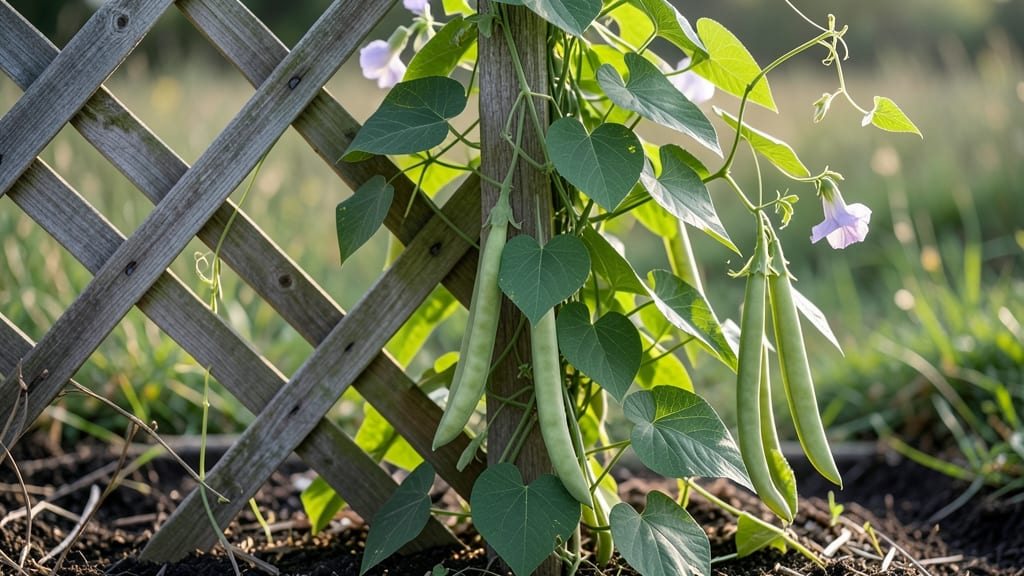
Your bush beans are vining because they’re confused—or worse, they’re not what you planted. 🌱 I’ve seen this happen when gardeners accidentally buy pole bean seeds labeled as "bush" or when environmental stress triggers vining in true bush varieties.
The good news? It’s an easy fix with a few simple cuts and adjustments.
First, check your seed packet—if it says "bush" but your plants are climbing, you’ve got the wrong variety. For true bush beans, look for short, compact plants with no natural vining tendency. If they’re already vining, trim the stems back to 6-8 inches to encourage bushier growth.
Overcrowding and poor sunlight can also trigger vining, so thin plants to 3-4 inches apart and ensure they get 6+ hours of sun daily.
Once you’ve pruned, focus on soil and water. Bush beans need well-draining, nitrogen-rich soil—if it’s too dry or compacted, they’ll vine to escape stress. Water at the base (not the leaves) and mulch to keep moisture consistent.
Within 2-3 weeks, you’ll see fresh, bushy growth instead of long, leggy stems.
Prevent future vining by choosing certified bush bean seeds from trusted sellers and planting at the right time—too early in cool weather slows growth and triggers climbing. Save seeds from your harvest for next year, and you’ll avoid this problem entirely. Simple, right?
Root Causes Behind Bean Vining
If your bush beans are suddenly stretching upward like eager vines instead of staying compact and bushy, don’t panic—there’s always a logical explanation. Understanding why this happens is the first step to fixing the problem.
Below, we break down the key triggers, from genetic quirks to environmental stressors, so you can take targeted action.
First, check your seeds or seedlings. Bush beans (Phaseolus vulgaris) are bred to stay low and bushy, while pole beans are climbers by design.
If you planted pole bean seeds (or even a mix of varieties), your plants will naturally vine upward to climb supports. Actionable fix: Verify your seed packets or consult a gardening guide to confirm you’re growing true bush beans.
Beans crave sunlight—6 to 8 hours of direct sun daily is ideal. When they don’t get enough light, they stretch (a phenomenon called etiolation) to reach for the sun, resulting in tall, weak vines. Why it happens: Shade from taller plants, nearby structures, or even cloudy weather can trigger this. Actionable fix:
- Thin out competing plants to improve airflow and light penetration.
- Move containers to sunnier spots if growing in pots.
- Use reflective surfaces (like white mulch or mirrors) to bounce light into shaded areas.
When bush beans are planted too closely together, they compete for nutrients, water, and space. This stress causes them to grow upward in search of resources, leading to vining. Why it happens: Root systems become congested, limiting access to nitrogen and water. Actionable fix:
- Space bush beans 4 to 6 inches apart in rows 18 to 24 inches apart.
- Thin seedlings early to avoid overcrowding.
- Mulch around plants to retain moisture and reduce competition.
Extreme temperatures can disrupt bean growth. Cool nights (below 50°F/10°C) or heatwaves (above 90°F/32°C) slow photosynthesis and force plants to prioritize survival over bushy growth. Why it happens: Stress hormones like ethylene may trigger elongated growth. Actionable fix:
- Use shade cloth during heatwaves to protect plants.
- Plant in late spring or early summer for optimal temperatures.
- Water deeply in the evening to cool roots during heat stress.
While nitrogen is essential for leafy growth, excess nitrogen can cause beans to produce more foliage than flowers/fruit, leading to leggy, vine-like stems. Why it happens: Nitrogen-heavy fertilizers (like fresh manure or blood meal) encourage rapid leaf growth at the expense of compact structure. Actionable fix:
- Switch to a balanced fertilizer (10-10-10 or 5-10-10) or organic options like compost.
- Avoid over-fertilizing—beans are light feeders.
- Side-dress with phosphorus-rich amendments (like bone meal) to encourage flowering.
Now that you know the culprits, the next step is correcting the growth habit—but the fix starts with addressing the root cause! 🌱
Quick Fixes for Bush Beans
If your bush beans are suddenly climbing like pole beans, don’t panic—there are simple ways to correct the issue and keep your plants thriving. Below, we’ve mapped out practical solutions based on the most common causes, along with prevention tips to avoid future problems.
These fixes are designed to be easy, effective, and garden-friendly!
If your bush beans are stretching toward the sky due to lack of space, they’re signaling it’s time to thin them out.
- 🔪 Trim the vines: Carefully snip the elongated stems back to the main bush structure, leaving only the healthiest, sturdiest growth. Use clean, sharp scissors or pruning shears to avoid damaging the plant.
- 🌿 Space them out: Ensure each plant has at least 4–6 inches of space between neighbors. If they’re too close, the competition for sunlight and nutrients forces them to vine.
- 💡 Prevention tip: When planting, follow seed packet spacing guidelines. For bush beans, that’s usually 3–4 inches apart in rows with 18–24 inches between rows.
Bush beans need 6–8 hours of direct sunlight daily. If they’re stretching toward light, they’re not getting enough.
- 🌞 Move the plants: If possible, transplant them to a sunnier spot in your garden. Early morning or late afternoon sun can help, but midday light is best.
- 🪵 Add support: If relocating isn’t an option, use small stakes or cages to guide the vines back downward. Gently weave the stems through the support to encourage bushier growth.
- 🌡️ Prevention tip: Plant bush beans in full-sun locations from the start. Avoid shaded areas like under trees or near tall plants.
Overwatering can weaken stems, causing bush beans to vine as they struggle to stay upright.
- 💦 Water deeply but less often: Bush beans prefer 1–1.5 inches of water per week, including rainfall. Let the top inch of soil dry out between waterings to prevent soggy roots.
- 🌱 Improve drainage: If your soil stays waterlogged, amend it with compost or perlite to help excess water drain away.
- ✨ Prevention tip: Water at the base of the plant (not overhead) to keep leaves dry and reduce disease risk.
If your bush beans are vining due to poor nutrition, they’re begging for a boost!
- 🍽️ Fertilize lightly: Use a balanced, low-nitrogen fertilizer (like 5-5-5) or a compost tea to replenish nutrients. Avoid high-nitrogen fertilizers, which promote leafy growth over beans.
- 🌱 Mulch around the base: Apply a 2-inch layer of mulch (straw, grass clippings, or shredded leaves) to retain moisture and slowly release nutrients into the soil.
- 💡 Prevention tip: Before planting, mix aged compost or well-rotted manure into the soil to ensure a nutrient-rich growing environment.
If pests (like aphids or spider mites) or diseases (like powdery mildew) are stressing your plants, they may vine as a survival tactic.
- 🔍 Check for pests: Look for sticky residue, holes in leaves, or tiny bugs. Spray with neem oil or insecticidal soap if needed.
- 🌿 Improve airflow: Thin out crowded plants and avoid overhead watering to prevent fungal diseases.
- 🎯 Prevention tip: Rotate crops yearly to prevent soil-borne diseases from recurring.
With these fixes, your bush beans should stop vining and start producing! Keep an eye on them, adjust as needed, and soon you’ll be harvesting plump, flavorful beans instead of skinny vines. Happy gardening! 🌱🍲
Frequently asked questions
Why are my bush beans suddenly growing like pole beans?
This usually happens because you planted the wrong variety—pole beans naturally vine, while bush beans stay compact. Double-check your seed packets! If you did plant bush beans, they may be reacting to stress like poor sunlight or overcrowding. Trim back leggy stems to 6-8 inches to encourage bushier growth.
Can I still get beans from vining bush plants?
Yes! While vining reduces yield, your plants can still produce. Focus on trimming back excess growth to redirect energy to pods. Harvest frequently to encourage more production. If the vining is severe, consider replanting bush beans in a sunnier spot next season.
How do I tell if my bush beans are getting too much nitrogen?
Look for dark green, leafy growth with few pods—this is a classic sign of nitrogen overload. Bush beans need balanced nutrients (like phosphorus for flowering). Switch to a 5-10-10 fertilizer or compost tea, and reduce watering slightly to help roots absorb nutrients better.
Will pruning my vining bush beans hurt them?
Not if done correctly! Use clean scissors to cut just above a leaf node (where new growth emerges). Avoid removing more than 1/3 of the plant at once. Prune in the morning on a cloudy day to reduce stress. Your beans will bounce back with fresh, bushy growth within 2-3 weeks.
Can I train vining bush beans to grow upright?
Use small stakes or tomato cages to gently guide the stems downward. Weave the vines through the support and tie them loosely with soft twine. This mimics natural bush growth and prevents sprawling. Mulch heavily around the base to support recovery.