
Pests and Diseases
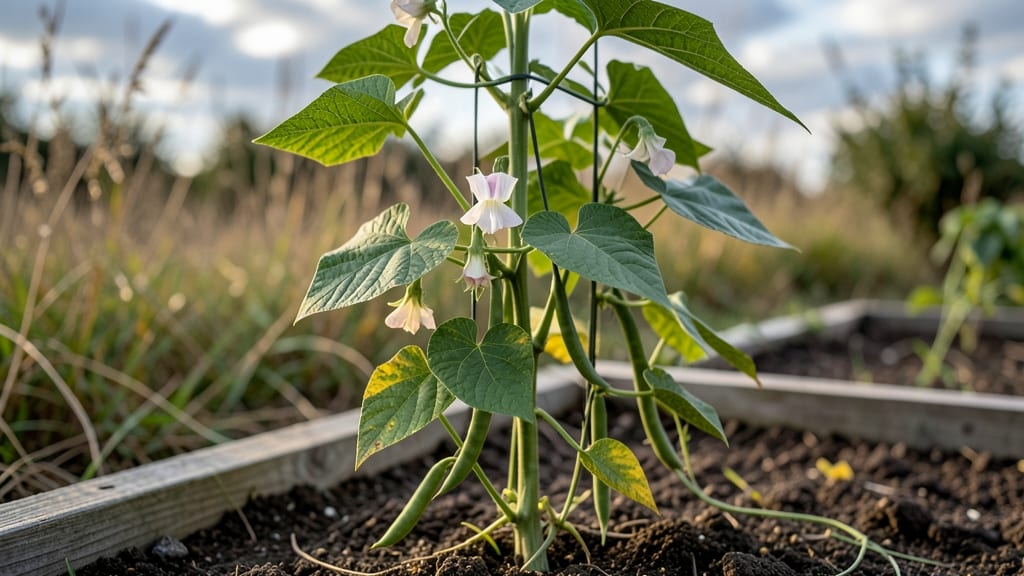
Yellow leaves on pole beans don’t mean your harvest is doomed—it’s usually a fixable nutrient issue. 🌱 I’ve seen this happen every summer, and it’s almost always one of three simple problems: too much water, not enough nitrogen, or a hidden magnesium deficiency.
The good news? Each has a straightforward solution that gets your plants back to producing those sweet, tender pods.
Most gardeners overwater without realizing it, turning the soil into a soggy mess that starves roots of oxygen. But even if your watering’s spot-on, pole beans are heavy feeders—especially when they’re flowering and podding.
A quick soil test or simple visual check (like yellowing between veins) tells you exactly what’s missing. I’ve used compost tea and Epsom salt with great results, and both take less than 10 minutes to apply.
By the time you’ve adjusted your watering schedule and added the right nutrients, you’ll see fresh green leaves within 1-2 weeks. The plants will bounce back faster than you think, and you’ll be back to harvesting those long, stringless beans before you know it.
The key is catching it early—once the leaves start curling or dropping, it’s a sign to act.
Prevention is even easier: mulch heavily to keep moisture steady, side-dress with compost every 3-4 weeks, and watch for pests like spider mites that love stressed plants.
If the yellowing spreads despite your efforts, it might be time to consult a local extension office—they can rule out fungal issues or soil pH problems that need a bigger fix.
Root Causes Of Leaf Discoloration
Pole beans are vibrant, fast-growing plants that reward gardeners with lush green foliage—until something goes wrong. When those leaves start turning yellow, it’s often a cry for help from your plants. Understanding the why behind this discoloration is the first step to saving your harvest.
Below, we break down the most common culprits, backed by science, so you can diagnose and fix the issue with confidence.
Yellowing leaves in pole beans are frequently tied to nutrient imbalances, where essential elements are either missing or locked away in the soil. Here’s how each deficiency manifests—and how to correct it:
- 💡 Nitrogen (N) Deficiency – The Classic Yellowing Nitrogen is the building block of chlorophyll, the pigment that gives leaves their green hue. When nitrogen is scarce, older leaves (those closest to the soil) turn pale yellow or straw-like, while veins may remain green.
This is your plant’s way of saying, “Feed me!” - Why it happens: Poor soil quality, overwatering (which leaches nutrients), or excessive harvests that deplete reserves. - Fix it: Apply a balanced fertilizer (10-10-10 or 5-10-10) or organic amendments like composted manure or alfalfa meal.
For an immediate boost, use liquid fish emulsion or blood meal.
- 🌡️ Magnesium (Mg) Deficiency – The Interveinal Pattern Magnesium is critical for chlorophyll production. When deficient, leaves develop yellow patches between veins (a condition called interveinal chlorosis), often starting on older leaves.
This is common in alkaline soils or when calcium displaces magnesium. - Why it happens: High soil pH (above 7.0), over-fertilization with lime, or excessive potassium. - Fix it: Lower soil pH with sulfur or peat moss, then add Epsom salt (magnesium sulfate) to the soil or foliar spray.
Repeat every 2–3 weeks until leaves green up.
- 💪 Iron (Fe) Deficiency – The Young Leaf Struggle Unlike nitrogen, iron deficiency strikes younger leaves first, causing them to turn bright yellow while veins stay green.
This is especially common in alkaline or calcareous soils, where iron becomes unavailable despite being present. - Why it happens: High pH locks out iron, or the soil lacks organic matter to help roots absorb it. - Fix it: Acidify the soil with elemental sulfur or vinegar (1 cup per gallon of water, applied as a soil drench).
For a quick fix, use a chelated iron supplement or iron sulfate.
- 🍃 Potassium (K) Deficiency – The Weakened Structure Potassium helps regulate water and nutrient movement in plants. A deficiency causes yellowing at leaf edges, which may later turn brown and crispy.
This often appears when plants are stressed by drought, disease, or extreme temperatures. - Why it happens: Leaching from overwatering, poor soil structure, or excessive nitrogen (which competes with potassium uptake). - Fix it: Apply potassium sulfate, wood ash, or banana peel tea (rich in potassium).
Avoid overwatering and ensure well-draining soil.
Sometimes, yellow leaves aren’t about nutrients—they’re a red flag from the environment. These issues disrupt photosynthesis and nutrient uptake, leading to discoloration.
- 💦 Overwatering or Poor Drainage Waterlogged soil cuts off oxygen to roots, preventing them from absorbing nutrients.
Yellow leaves paired with wilting or mushy stems are classic signs of root rot or anaerobic stress. - Why it happens: Heavy clay soil, infrequent watering breaks, or containers without drainage holes. - Fix it: Improve drainage with perlite or sand, water only when the top inch of soil is dry, and ensure pots have holes.
If root rot is suspected, trim affected roots and repot in fresh, sterile soil.
- ☀️ Too Much Sun or Heat Stress Pole beans thrive in partial shade (6–8 hours of sun).
When exposed to intense heat or direct afternoon sun, leaves may scorch, turning yellow or brown with crispy edges. - Why it happens: Sudden heatwaves, poor acclimation, or reflective surfaces (like white walls) amplifying sunlight. - Fix it: Provide afternoon shade with a sheer cloth or move plants to a dappled-light location.
Mulch the soil to keep roots cool and water deeply in the morning.
- ❄️ Cold or Frost Damage Pole beans are tender annuals and can’t tolerate temperatures below 50°F (10°C).
Frost or chilly nights cause leaves to yellow, wilt, or blacken as cell membranes rupture. - Why it happens: Late spring frosts, unprotected plants, or nighttime temps dropping too fast. - Fix it: Use row covers or cloches for young plants.
If damage is minor, trim affected leaves to encourage new growth. Avoid planting until soil temps are consistently above 60°F (15°C).
While nutrient issues are the top culprits, pests and pathogens can also trigger yellowing as they disrupt the plant’s ability to photosynthesize or absorb nutrients.
- 🐜 Sap-Sucking Insects (Aphids, Spider Mites, Whiteflies) These pests pierce leaves, draining sap and injecting toxins that cause yellowing, curling, or stippling.
Heavy infestations weaken the plant, mimicking nutrient deficiencies. - Why it happens: Dry conditions (stress attracts pests), overcrowded plants, or nearby infected crops. - Fix it: Blast off pests with a strong spray of water or use neem oil (repeat every 5–7 days). Introduce ladybugs or lacewings for biological control.
- 🍄 Fungal Infections (Powdery Mildew, Rust, or Root Rot) Fungal diseases thrive in humid, poorly ventilated conditions.
Yellowing leaves paired with white powder (mildew), orange spots (rust), or blackened stems (root rot) are telltale signs. - Why it happens: Overhead watering, dense foliage, or contaminated soil. - Fix it: Space plants for airflow, water at the base only, and apply copper fungicide or baking soda spray (1 tsp baking soda + 1 quart water + a drop of dish soap).
Remove severely infected leaves.
- 🐛 Root-Knot Nematodes These microscopic worms burrow into roots, creating galls that restrict nutrient and water uptake.
Infested plants show stunted growth, yellowing leaves, and wilting—especially in warm, moist soils. - Why it happens: Previously infested soil or contaminated tools/manure. - Fix it: Solarize the soil (cover with clear plastic for 4–6 weeks in hot weather) or plant marigolds (a natural nematode repellent).
Avoid planting susceptible crops (like tomatoes) in the same spot for 2 years.
Pro Tip: 🔍 Rule out one cause at a time—check soil pH, inspect leaves for pests, and monitor watering habits before jumping to conclusions. Often, a combination of factors (e.g., overwatering + nitrogen deficiency) is at play!
Fixing yellow leaves on pole beans
Reviving your pole beans doesn’t have to be a mystery! Yellowing leaves are often a cry for help—whether it’s thirst, hunger, or an unseen foe. Below, we break down the most common causes and practical, step-by-step fixes to bring your plants back to vibrant green.
Plus, we’ll share pro tips to keep them thriving long-term.
Yellow leaves with a mushy texture or wilting despite damp soil? Your beans might be drowning. Root rot from excess moisture is a sneaky killer.
How to Fix It:
- 🔥 Stop Watering Immediately – Let the top 1–2 inches of soil dry out before watering again.
- 🍳 Check Your Pots – If growing in containers, ensure drainage holes are clear. No holes? Repot ASAP.
- 👨🍳 Improve Soil Aeration – Mix in perlite or coarse sand (1 part to 3 parts soil) to boost drainage.
- ⏰ Monitor Moisture – Stick your finger in the soil; water only when the top layer feels dry.
Prevention Tip: 💡 "Pole beans hate soggy feet!" Water at the base in the morning, and avoid overhead sprinkling to prevent fungal issues.
Pale yellow leaves (especially older ones) often signal a nitrogen deficiency, while yellowing between veins points to magnesium or iron.
How to Fix It:
| Symptom | Likely Cause | Quick Fix |
|---|---|---|
| Yellow older leaves | Nitrogen deficiency | Apply balanced fertilizer (10-10-10) or compost tea. |
| Yellow new leaves | Phosphorus deficiency | Use bone meal or a phosphorus-rich fertilizer (5-10-10). |
| Yellow between veins | Magnesium (lack) | Spray Epsom salt solution (1 tbsp per gallon of water) weekly. |
| Yellow with brown spots | Iron deficiency | Apply chelated iron or use iron sulfate in water. |
Prevention Tip: ✨ "Feed before they beg!" Start with a slow-release fertilizer at planting, then side-dress mid-season.
Yellowing leaves with holes, spots, or webbing? Pests or fungal infections could be the culprits.
How to Fix It:
- 🔪 Inspect Leaves – Look for aphids, spider mites, or whiteflies on the undersides. Use a strong stream of water to dislodge them.
- 🍳 Neem Oil Spray – Mix 1 tsp neem oil + 1 tsp mild soap per quart of water. Spray every 5–7 days until pests vanish.
- 👨🍳 Fungal Issues? – If leaves have yellow spots with black centers, it’s likely bacterial or fungal leaf spot.
- Remove infected leaves immediately.
- Spray copper fungicide (follow label instructions).
- ⏰ Prevent Reinfestation – Rotate crops yearly and clean garden tools with rubbing alcohol.
Prevention Tip: 🌡️ "Beat the heat and humidity!" Avoid watering in the evening to reduce fungal growth.
Sudden yellowing in hot afternoons? Your beans might be sunburned or heat-stressed.
How to Fix It:
- 🍳 Provide Afternoon Shade – Use a light shade cloth (30–50%) or move pots to a spot with dappled sunlight.
- 👨🍳 Mulch Like a Pro – Spread 2–3 inches of straw or wood chips to keep roots cool.
- ⏰ Water Deeply – Morning watering (1–1.5 inches per week) helps roots absorb moisture before the heat peaks.
Prevention Tip: 🎯 "Know your zone!" If you’re in a hot climate (Zones 9–11), plant pole beans in spring or fall for cooler temps.
If yellowing persists, prune the damaged leaves to redirect energy to healthy growth.
How to Do It:
- 🔪 Snip with Clean Scissors – Cut only yellow/brown leaves (never more than 1/3 of the plant).
- 🍳 Boost Recovery – After pruning, give your beans a weak fish emulsion (diluted to half strength) for a nutrient kick.
- 👨🍳 Watch for New Growth – Healthy new leaves should appear in 7–10 days.
Prevention Tip: 💡 "Less is more!" Avoid over-pruning—focus on removing only the sick parts.
Final Thought: Most yellow leaves on pole beans are easily reversible with the right care. Start with water, nutrients, and shade, then monitor closely. Your beans will be back to their lush, green selves in no time! 🌱💚
Frequently asked questions
Why do pole beans turn yellow faster in hot weather?
Hot weather accelerates nutrient depletion and increases water loss, causing stress. When temperatures exceed 85°F (29°C), pole beans struggle to absorb nutrients like magnesium and nitrogen efficiently. The high heat also speeds up photosynthesis breakdown, leading to rapid yellowing. Provide afternoon shade and mulch heavily to help roots stay cool.
Can I use coffee grounds to fix yellow leaves on my pole beans?
Yes! Coffee grounds are excellent for nitrogen-deficient plants. They lower soil pH slightly (helping with iron/magnesium uptake) and add organic matter. Mix 1 cup of used coffee grounds per plant into the soil, then water well. Repeat every 2-3 weeks for best results—just avoid overdoing it, as too much can make soil acidic.
What's the difference between yellow leaves from overwatering vs. nutrient deficiency?
Overwatering causes mushy stems and wilting alongside yellowing, while nutrient issues produce crispy or dry leaves. Check the soil: if it's soggy, you're overwatering. If dry but leaves are yellowing between veins (magnesium) or uniformly (nitrogen), it's a nutrient problem. The fix for overwatering is drainage; for nutrients, use targeted amendments like Epsom salt.
How often should I fertilize pole beans to prevent yellow leaves?
Start with a balanced fertilizer (10-10-10) at planting, then side-dress with compost every 3-4 weeks during the growing season. Avoid over-fertilizing—too much nitrogen causes rapid growth but weakens plants. For organic options, use fish emulsion or compost tea. Monitor leaf color: if new growth stays green, you're on track!
Are yellow leaves always a bad sign for pole beans?
Not always! Some natural leaf yellowing occurs as part of the plant's life cycle, especially on older leaves. However, if more than 20% of leaves are yellowing, it's a warning sign. Watch for patterns: uniform yellowing (nutrients), yellowing with spots (fungus), or yellowing with webbing (pests). Act only if the plant shows signs of stress beyond normal aging.