
Vegetables
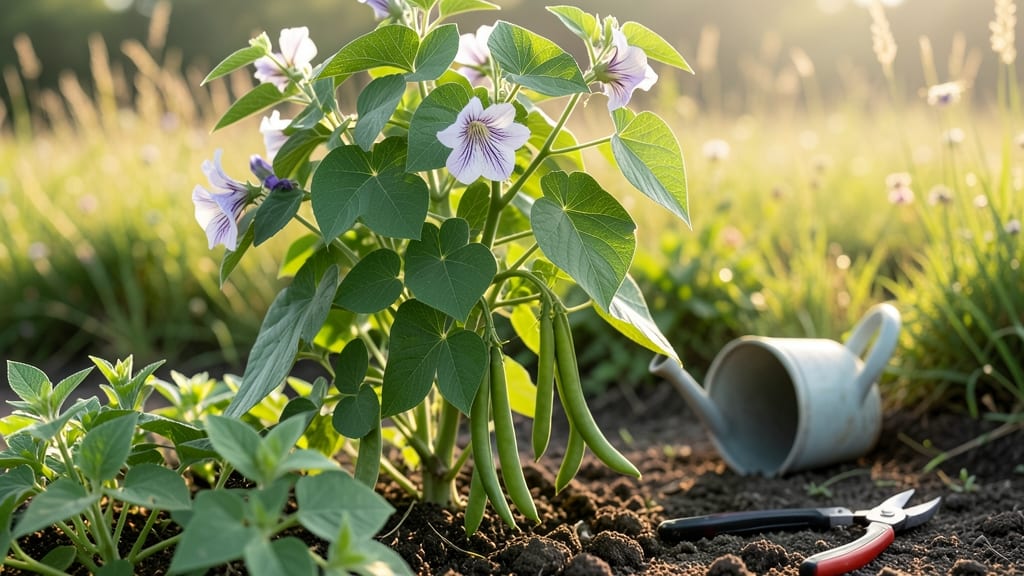
Are all legumes beans? No—legumes include beans, lentils, peas, peanuts, and soybeans, while beans are just one specific subcategory within the broader legume family. The key difference lies in their botanical structure and classification, though they all contribute nitrogen-fixing benefits to soil.
Legumes belong to the Fabaceae family, which includes over 19,000 species, while beans specifically fall under the Phaseoleae tribe. 🌱 This means beans are legumes, but not all legumes qualify as beans. For example, peanuts (technically legumes) grow underground, while most beans develop above ground in pods.
The confusion often comes from their shared nutritional benefits—both groups are packed with plant-based protein and help improve soil health through nitrogen fixation.
Understanding this distinction matters if you're gardening or meal planning. Many legumes like lentils and chickpeas thrive in different growing conditions than beans, and their culinary uses vary widely. For instance, peanuts are more commonly used in snacks and oils, while kidney beans shine in hearty stews.
💡 In This Article
- Botanical Classification: Legumes vs Beans Explained
- Garden-Friendly Legumes: Which Ones Thrive Best
Botanical classification: legumes vs beans explained
The key difference between legumes and beans lies in their botanical classification within the Fabaceae family. Legumes represent an entire family of plants (over 19,000 species), while beans belong specifically to the Phaseoleae tribe—a subgroup within that family.
Think of it like a family tree: all beans are legumes, but not all legumes are beans. 🌱 For example, peanuts (legumes) grow underground in peg fruits, while kidney beans (a bean type) develop in above-ground pods that split open when mature.
Seed structure reveals another critical distinction. Legume seeds typically develop within elongated pods that split open on two sides when mature—a characteristic called "dehiscence." Bean pods often have a tougher texture and may contain multiple seeds, like the 5-7 seeds in a typical green bean pod.
In contrast, pea pods (also legumes) contain only 2-8 seeds and have a softer, more tender structure. The seed coat of beans tends to be thicker, contributing to their longer shelf life compared to lentils or chickpeas.
This classification matters for gardeners and chefs alike. Legumes like clover and alfalfa improve soil health through nitrogen fixation, but they're not typically used as food. Beans, however, are both soil-enhancers and culinary staples.
The nitrogen-fixing bacteria (Rhizobia) in legume roots create nodules that convert atmospheric nitrogen into a form plants can absorb. This process benefits all plants in the soil, but beans are specifically cultivated for both their edible seeds and soil-improving properties.
One common misconception is that all legumes have similar growing habits. In reality, peanuts require warm soil to develop their peg fruits, while most beans thrive in cooler temperatures.
Lentils, another legume, grow best in 50-70°F soil and mature in just 90-120 days, making them ideal for short growing seasons. This diversity explains why gardeners often rotate between different legume types to maintain soil fertility without overloading it with the same nutrients.
Culinarily, the distinction affects preparation too. Beans often need soaking (6-12 hours) to soften their tougher seed coats, while lentils cook in just 15-25 minutes without pre-soaking. Peanuts, being legumes but not beans, are usually roasted or ground into peanut butter rather than boiled like kidney beans.
This variation in texture and cooking time stems directly from their botanical differences.
The shared trait that unites all legumes—beans included—is their high protein content (typically 18-25% protein by weight) and complex carbohydrates. This makes them nutritional powerhouses, but their specific uses in cooking or gardening depend entirely on which subgroup you're working with. 💫