
Propagation
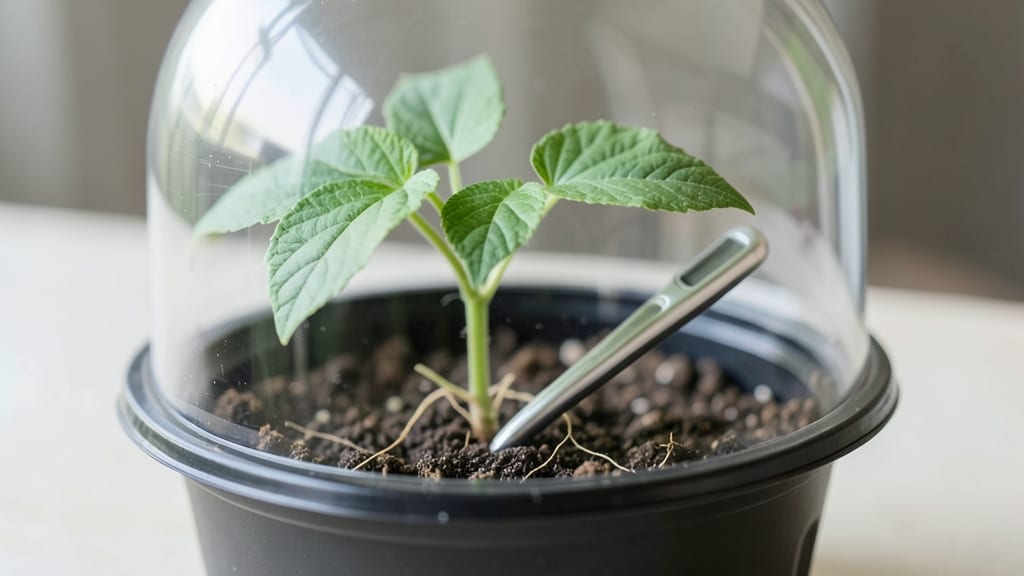
The bean germination temperature makes all the difference—your beans will sprout three times faster when kept at the right heat, and here’s the exact range that works. 🌱 I’ve watched seeds languish in cool soil and explode into sprouts within days when warmed properly, and the difference is... all about degrees.
Most beans thrive between 70-85°F, but cooler varieties like pole beans handle 60°F just fine, while tropical types need 85°F+. A heat mat under seed trays or a sunny windowsill can make all the difference—especially if your spring soil is still chilly.
Slow germination? Check your setup: too cold means waiting weeks, while too hot can rot seeds before they sprout. I’ve even used a DIY heat source (like a warm water bottle wrapped in towels) for stubborn batches. The payoff?
Stronger seedlings that transplant easily and outpace store-bought starts. Let’s get those beans growing right—no more guesswork.
📚 In This Guide
- What you need
- Instructions
- Tips and common mistakes
- Wrapping up and next steps
What you need
- ● Beans: 1 cup (approx. 200g) of raw, organic beans (e.g., mung, lentils, black beans, or pinto beans). Choose non-GMO, untreated seeds for best results.
- ● Germination Container: Option 1: A wide, shallow bowl or dish (8–10 inches in diameter).
- ● Option 2: A clean, breathable mesh sprouting bag (1–2 quart size).
- ● Option 3: A glass jar with a lid (1–2 quarts) + a fine-mesh strainer or cheesecloth.
- ● Water: 2–3 cups of room-temperature, filtered water (chlorine-free if possible).
- ● Cheesecloth or Fine Mesh: A small piece (6x6 inches) to cover your container (if not using a mesh bag).
- ● Rubber Bands or Twist Ties: To secure the cloth/mesh in place.
- ○ Thermometer (Optional but Helpful): A digital kitchen thermometer or seedling heat mat thermometer to monitor temperatures between 65–85°F (18–29°C).
- ● Grow Light or Sunny Windowsill: For post-germination light exposure (if growing beyond sprouts).
- ● A seedling heat mat (to maintain consistent warmth if your space is chilly).
- ● A spray bottle for gentle rinsing (instead of soaking).
- ○ Vitamin C or citric acid (a pinch) to boost germination speed (optional).
- ● A notebook to track temperature, time, and growth progress!
How to optimize bean germination temperature for fast sprouts
Here's the secret to getting those beans to sprout in record time—warmth is everything.
🌱 Step 1: Understand Your Bean Type's Ideal Range
Different beans have different sweet spots for germination. Most common varieties like kidney, black, or pinto beans thrive at 75-85°F—that's warm but not hot. If your room runs cooler, like 65-70°F, germination will take 2-3 days longer. I always check the seed packet for specifics, but if it's not listed, assume the mid-range.
This is where most people mess up—they assume all seeds are the same. Pole beans and bush beans both prefer warmth, but heirloom varieties often need 5-10°F warmer soil to break dormancy. Watch for the first tiny root crack—it's your signal the process is working.
💧 Step 2: Prep Seeds for Faster Germination
Soak your beans overnight in lukewarm water (around 70°F) to soften the outer coating. This step cuts germination time in half—from 5-7 days to 3-4 days. I use a clean jar with enough water to cover the beans by an inch. After 12 hours, drain and rinse them before planting.
Here's the thing—don't skip the rinse. Leftover soaking water can introduce bacteria that causes rot. You'll see the seeds plump up noticeably after soaking. That's your visual cue they're ready for the next step. If they feel mushy or smell off, rinse again with fresh water.
☀️ Step 3: Maintain Consistent Warmth After Planting
Plant your soaked beans 1 inch deep in warm soil. Use a seedling heat mat set to 75-85°F if your growing area runs cooler. These mats plug right into outlets and keep the soil temperature steady. You'll see the first sprouts push through the soil in 3-5 days if conditions are perfect.
Don't let the soil cool below 60°F—that's where germination grinds to a halt. If your home has cold drafts near the window, move your seed tray to a warmer spot. I like to place mine on top of the fridge, where it stays consistently warm. Watch for condensation on the soil surface—that's a sign the humidity is right.
⏰ Step 4: Monitor and Troubleshoot Slow Germination
After 7 days, if you haven't seen sprouts, check the soil temperature with a thermometer. If it's below 65°F, your beans are in dormancy mode. Give them 24 hours of warmth at 80°F to kickstart the process. I've had stubborn batches respond immediately after this boost.
If the soil feels damp but no sprouts appear, the seeds might be old. Test a few by cutting them open—if the inside looks dry or discolored, replace them. Healthy seeds have firm, creamy interiors. Once you see that first green shoot, keep the soil evenly moist but never soggy.
🌿 Step 5: Transition to Room Temperature
Once seedlings have 2-3 true leaves (not the initial seed leaves), you can move them to normal room temperature. This usually happens 7-10 days after germination. Harden them off by gradually reducing heat mat use over 3-4 days to prevent shock.
Real talk: Overheating now will scorch delicate roots. You'll know the transition is working when new leaves appear bright green and sturdy. If they look pale or leggy, they need more light—not more heat. At this stage, warmth is less critical than steady growth conditions.
Tips & tricks for perfect bean germination
Fast sprouts start with these simple tricks that'll help you avoid common pitfalls and get your beans growing in record time.
Temperature Consistency: The 75-85°F range is your sweet spot, but don't panic if your home runs cooler. Place your seed tray on top of your fridge or near a sunny window to create a mini greenhouse effect. I've seen germination times cut by nearly half when maintaining this consistent warmth. A simple thermometer placed in the soil will help you monitor temperatures without guesswork.
Soaking Secrets: That 12-hour soak in lukewarm water (around 70°F) is non-negotiable for speedy germination. Here's what I do differently: I add a pinch of sea salt to the soaking water to prevent bacterial growth. After soaking, I drain and rinse the beans with cool water—this prevents them from feeling mushy and gives you that perfect visual cue of plump, ready-to-plant seeds.
Troubleshooting Slow Starters: If you haven't seen sprouts after 7 days, don't give up! First, check your soil temperature—it needs to stay above 60°F to avoid dormancy. I've had stubborn batches respond immediately after giving them a 24-hour warmth boost at 80°F. For old seeds, cut one open—if it looks dry or discolored, replace them. Healthy seeds should have firm, creamy interiors that'll give you the best chance at fast germination.
Pro Tips for Bean Germination Temperature
- Fast sprouts start with these simple tricks that'll help you avoid common pitfalls and get your beans growing in record time.
- Temperature Consistency: The 75-85°F range is your sweet spot, but don't panic if your home runs cooler.
- Soaking Secrets: That 12-hour soak in lukewarm water (around 70°F) is non-negotiable for speedy germination.
Frequently asked questions
Got questions about getting your beans to sprout just right?
Here are some of the most common concerns—plus quick, actionable answers to keep your germination game strong!
What’s the fastest bean germination temperature range?
The ideal temperature range for most beans (like kidney, black, or mung) is 70–85°F (21–29°C). At these temps, you’ll see sprouts in 3–7 days. Cooler temps (below 60°F/15°C) slow growth, while extreme heat (above 90°F/32°C) can stress seeds. Use a seedling heat mat if your space runs chilly!
How long does it take for beans to germinate at room temperature?
At a consistent room temperature of 70–75°F (21–24°C), most beans sprout in 4–6 days. Humidity matters too—keep moisture levels high (80–90%) with a damp paper towel or germination tray. If your home is dry (like <50% humidity), germination may take 7–10 days. A humidity dome helps speed things up!
Can beans germinate in cold weather or refrigerators?
Beans can germinate in cold temps, but it’s a slow process. Below 50°F (10°C), germination may take 2+ weeks—or fail entirely. If you’re prepping for winter, try soaking seeds overnight in warm water first, then store them in a cool but not freezing spot (like a basement). For refrigerators (<40°F/4°C>), germination is unlikely—save that space for storing sprouted seeds!
What should I do if my beans aren’t germinating?
Try these fixes if your seeds sit stubbornly dry:
- Check moisture: Seeds need constant dampness (not soggy!). Mist them daily or use a spray bottle.
- Test viability: Soak 10 seeds in warm water for 24 hours. If fewer than 5 swell, they may be old or dead.
- Warmth boost: Place your tray on a seedling heat mat or near a sunny window (not direct sunlight).
- Airflow: Stagnant air = mold. Use a small fan on low for 10 mins/day to circulate air.
Can I reuse sprouted beans for germination?
Nope! Once beans sprout, their nutrient reserves are used up, and they won’t regerminate. However, you can save the sprouts for cooking (like in salads or soups) or compost the leftover hulls. For regrowing, always start with fresh, untreated seeds—organic or non-GMO work best. Pro tip: Store seeds in a cool, dark, dry place (like a jar in your pantry) to keep them viable for 1–2 years!
Wrapping up and next steps
Mastering bean germination temperature is your secret weapon for fast, healthy sprouts! 🌱 Whether you're growing beans for food, science, or fun, keeping them in the ideal 65–85°F (18–29°C) range ensures speedy success. With the right setup and patience, you’ll soon be harvesting vibrant, nutrient-packed sprouts—no green thumb required!
Ready to take the next step? Experiment with different temperatures to see what works best for your beans, and share your sprouting wins with fellow gardeners! 🌟 Happy growing!