
Planting
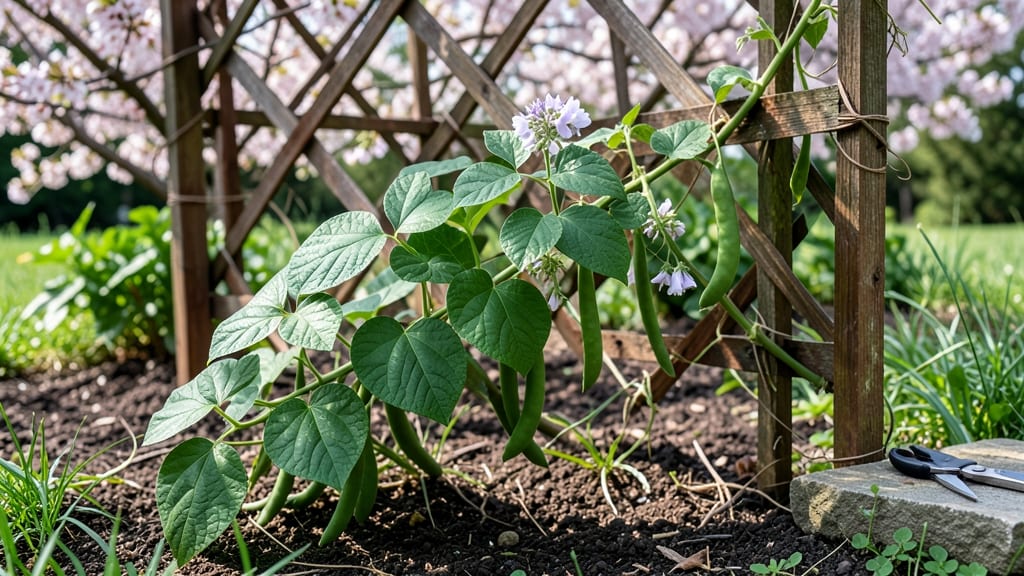
Transforming a tiny patch into a thriving bean stalk plant wonderland—just 55 days from seed to those vine-draped towers of beans. 🌱 I’ve grown them for years, and the difference between sprawling plants and tidy trellis-grown... giants is all in the setup.
The right trellis, soil, and watering routine turns these plants into self-supporting powerhouses that produce 2-3 times more beans than bush varieties in the same space.
The secret isn’t complicated—it’s matching the trellis height to the bean variety (6-foot poles for Kentucky Wonder, 8-foot for Rattlesnake) and planting seeds 1 inch deep, 4 inches apart. A sturdy trellis (bamboo stakes or wire mesh) prevents flopping, while consistent moisture keeps stalks strong.
Most gardeners overlook the soil prep: a mix of compost and aged manure ensures those vines get the nutrients they need to climb fast. By day 40, you’ll see foot-long vines twisting up the trellis, and by day 55, you’ll be harvesting pint-sized beans every other day.
The trellis keeps leaves off the ground, reducing disease, and the vertical growth maximizes sunlight for bigger yields. Even my black thumb can’t kill these when done right. Pro tip: Pinch off early flowers for the first two weeks to encourage stronger stalks.
And watch for Mexican bean beetles—they’ll strip leaves faster than you can say “harvest.” But with the right setup, your trellis will be covered in beans by midsummer, and your neighbors will be asking for cuttings.
📚 In This Guide
- What you need
- Instructions
- Tips and common mistakes
- Wrapping up and next steps
What you need
- ● Bean seeds: 10–15 seeds (pole bean varieties like Kentucky Wonder or Blue Lake work best).
- ● Trellis or pole: 1 sturdy 6–8 ft wooden stake, bamboo pole, or metal trellis (diameter: 1–2 inches).
- ● Potting soil: 2–3 gallons of well-draining, nutrient-rich soil (or a 5-gallon container if planting in pots).
- ● Watering can or hose: With a gentle spray nozzle for consistent moisture.
- ● Fertilizer: Balanced 10-10-10 or organic compost (1 tbsp per plant at planting time).
- ● Garden trowel or hand shovel: For planting seeds and soil prep.
- ● Measuring tape or ruler: To ensure proper spacing (1–2 inches deep, 4–6 inches apart).
- ○ Twine or plant ties (optional): Soft garden twine or Velcro ties to secure vines to the trellis.
- ○ Mulch (optional): Straw or shredded leaves to retain moisture and suppress weeds.
- ○ Sunlight tracker (optional): To monitor 6–8 hours of daily sun exposure.
Step-by-Step instructions for growing bushy pole beans on a trellis
Here's how I grow pole beans that climb like crazy and produce for weeks—no tangled messes or sparse yields.
🌱 Step 1: Choose the Right Variety and Plant at the Perfect Time
Pick a pole bean variety like 'Kentucky Wonder' or 'Rattlesnake'—they're vigorous climbers with heavy yields. Plant seeds 1 inch deep and 4-6 inches apart in rows spaced 18-24 inches apart for airflow. I wait until the soil is at least 60°F and all frost danger has passed—cold soil slows germination.
Here's the thing—pole beans need warm soil to sprout reliably. If your spring is cool, consider using a black plastic mulch to warm the soil faster. You'll see the first true leaves in 7-10 days if conditions are right. If they take longer, check for moisture—dry soil delays germination.
☀️ Step 2: Install the Trellis Early and Train Vines Properly
Set up your 5-6 foot tall trellis right when you plant the seeds—don't wait for vines to appear. I use T-posts with wire mesh or sturdy bamboo stakes for support. The trellis should be 3-4 feet wide to accommodate your rows. Plant seeds 2-3 inches from the trellis so vines can reach it immediately.
As soon as the first tendrils appear (those little curly things at the leaf nodes), gently guide the main stem upward. Don't let vines sprawl—this encourages bushiness later. I tie the main stem loosely with soft twine every 12 inches to keep it vertical. Watch for side branches to form naturally at the leaf axils—these will become your productive zones.
💧 Step 3: Water Deeply and Maintain Consistent Moisture
Pole beans need 1-1.5 inches of water per week, but I water deeply 2-3 times per week instead of daily shallow watering. This encourages deep root growth. Water at the base of the plant in the morning so leaves dry quickly—wet foliage invites fungal diseases.
You'll know you're doing it right when the soil feels moist 2-3 inches down but not soggy. Yellowing leaves usually mean either too much water or not enough. If the soil surface dries out completely between waterings, the beans will stop producing pods. Mulch with 2-3 inches of straw to retain moisture and keep roots cool.
✂️ Step 4: Prune for Bushiness and Harvest Regularly
When vines reach the top of the trellis, pinch off the growing tips to encourage branching. This is where the magic happens—more branches mean more pods. I also remove any weak or crossing vines that compete for energy. Healthy vines should have 3-5 main branches by the time flowering starts.
Harvest beans every 2-3 days once pods appear. I check the plants in the morning when pods are firm. Overripe beans toughen and stop production. You'll see new flowers and pods form within 3-5 days of regular harvesting—this keeps the plant productive for weeks. Don't let pods swell to full size on the vine or the plant will slow down.
🌿 Step 5: Fertilize and Protect for Maximum Yield
Side-dress with 1 tablespoon of 10-10-10 fertilizer when flowers first appear, then again 3 weeks later. I mix it into the soil at the base but keep it 2 inches away from the stem to avoid burning roots. Pole beans are nitrogen lovers, but too much fertilizer makes them leafy with few pods.
Watch for Mexican bean beetles or Japanese beetles—they'll skeletonize leaves overnight. I use row covers early in the season or spray with neem oil if I spot eggs on the undersides of leaves. Healthy plants can handle some defoliation, but severe damage reduces yield. A quick check of the leaf undersides every few days catches problems early.
Tips & tricks for bushy pole bean growth
These simple secrets will help you grow pole beans that climb like crazy and produce for weeks without the tangled mess.
Soil Warmth Secret: That 60°F soil temperature is non-negotiable for reliable germination. I've learned the hard way—cold soil delays sprouting by weeks. If your spring is chilly, use black plastic mulch to raise soil temperature faster. Test soil warmth with your finger—it should feel warm like a sunny day, not cold like a basement. Planting too early in cool soil leads to weak, sparse vines that struggle to climb.
Trellis Training Technique: The key to bushy growth happens in Step 2 when you train those first tendrils. Don't just let vines wander—gently guide the main stem upward immediately. I use soft twine every 12 inches to keep it vertical, but here's what nobody tells you: the spacing between ties matters. If you space them too far apart, vines flop between supports. For maximum bushiness, add a third tie at the midpoint between your regular intervals when vines reach 3 feet tall.
Watering Wisdom: Those 1-1.5 inches of water per week are just a starting point. The real trick is timing—water in the morning so leaves dry completely by evening. I've seen fungal diseases wipe out entire trellises because of this simple mistake. Also, check soil moisture by feeling 2-3 inches down—not just the surface. If it's dry at that depth, your beans will signal distress with yellowing leaves before you see any real production problems.
Harvest Hack: The 2-3 day harvest window is more important than you might think. When pods appear, check them in the morning when they're firmest. I harvest with one hand supporting the vine and the other gently snapping pods at the stem. This prevents damaging the plant while keeping it productive. Here's my secret: if you see flowers but no pods forming within 5 days, you're either harvesting too infrequently or the plants need more nitrogen—check your fertilizer timing from Step 5.
Pro Tips for Bean Stalk Plant
- These simple secrets will help you grow pole beans that climb like crazy and produce for weeks without the tangled mess.
- Soil Warmth Secret: That 60°F soil temperature is non-negotiable for reliable germination.
- Trellis Training Technique: The key to bushy growth happens in Step 2 when you train those first tendrils.
Frequently asked questions
Got questions about growing a thriving bean stalk plant? You’re not alone! Here are answers to the most common queries—so you can skip the guesswork and focus on those lush, productive vines.
How tall can bean stalk plants grow, and do I need a super-tall trellis?
Most pole bean varieties (like Kentucky Wonder or Scarlet Runner) climb 8–12 feet tall with proper support! A 6–8-foot trellis is ideal for most gardens—just ensure it’s sturdy (bamboo stakes or metal frames work great). If you’re short on space, dwarf varieties like ‘Blue Lake’ max out at 4–5 feet.
When is the best time to plant bean stalk seeds for a 55-day harvest?
Plant seeds 1–2 weeks after your last frost when soil is at least 60°F (15°C). For a summer harvest, aim for May–June in most U.S. zones. Pro tip: Soak seeds overnight in warm water to speed germination (they’ll sprout in 5–10 days!).
Can I grow bean stalk plants in containers, or do they need a garden bed?
Use a 5-gallon container or larger with drainage holes and fill it with well-draining potting mix. Place the pot near a sturdy trellis or fence. Dwarf varieties thrive in containers, while pole beans need deeper roots—so opt for a 12–18-inch-deep pot if space is tight.
Why are my bean stalk plants wilting or dropping flowers? Troubleshooting tips!
Wilting often means underwatering (beans need 1–2 inches of water weekly) or root stress. Dropping flowers? It could be overwatering (roots need oxygen!) or nutrient deficiency. Try:
- Fertilizer: Use a low-nitrogen, high-phosphorus feed (like 5-10-10) when flowers appear.
- Support: Tie vines gently to the trellis to prevent breakage.
- Pests: Check for bean beetles or aphids—spray with neem oil if needed.
What’s the best alternative if I don’t want to deal with trellises?
No trellis? No problem! Try bush bean varieties like ‘Blue Lake Bush’ or ‘Contender,’ which grow 2–3 feet tall and produce pods without climbing. They’re easier to harvest and work well in small spaces or raised beds. Just give them 18–24 inches of space between plants!
Wrapping up and next steps
Growing a bean stalk plant on a pole trellis isn’t just rewarding—it’s a game-changer for your garden! 🌱 With the right techniques, you’ll enjoy lush, productive vines in just 55 days, saving space and boosting yields.
Whether you’re a beginner or a seasoned gardener, this method makes climbing beans easy and fun.
Ready to transform your garden? Start by picking your favorite bean variety, gathering your supplies, and planting within the next few weeks. Watch those vines climb, thrive, and reward you with delicious harvests—one pole at a time!