
Planting
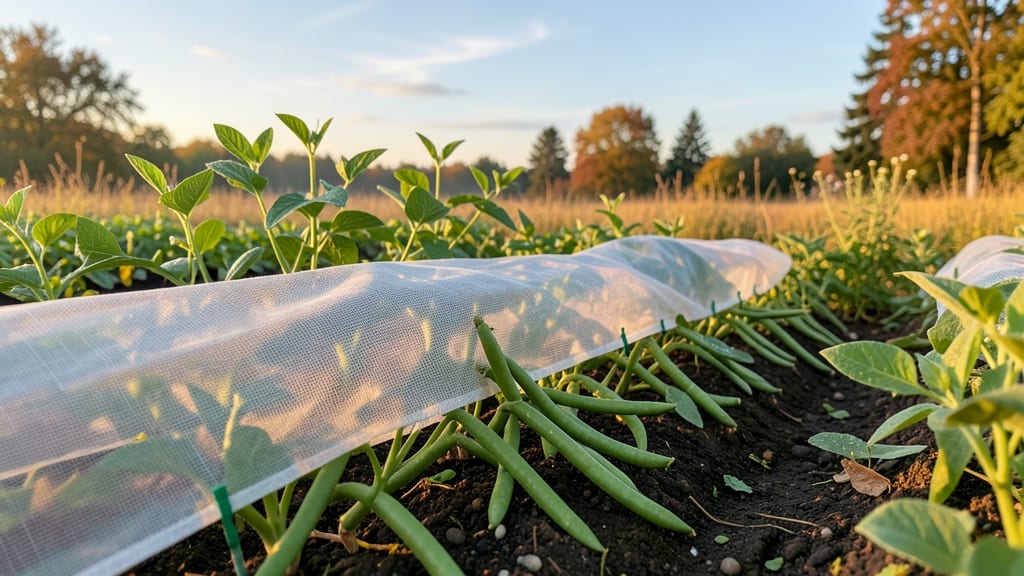
Want to grow the sweetest, fastest-maturing Blue Lake bush beans in just 60 days? These 10 expert tips will maximize your yield, prevent common pitfalls, and ensure a thriving garden from seed to harvest—even for beginners.
Optimal Planting Time for Blue Lake Beans
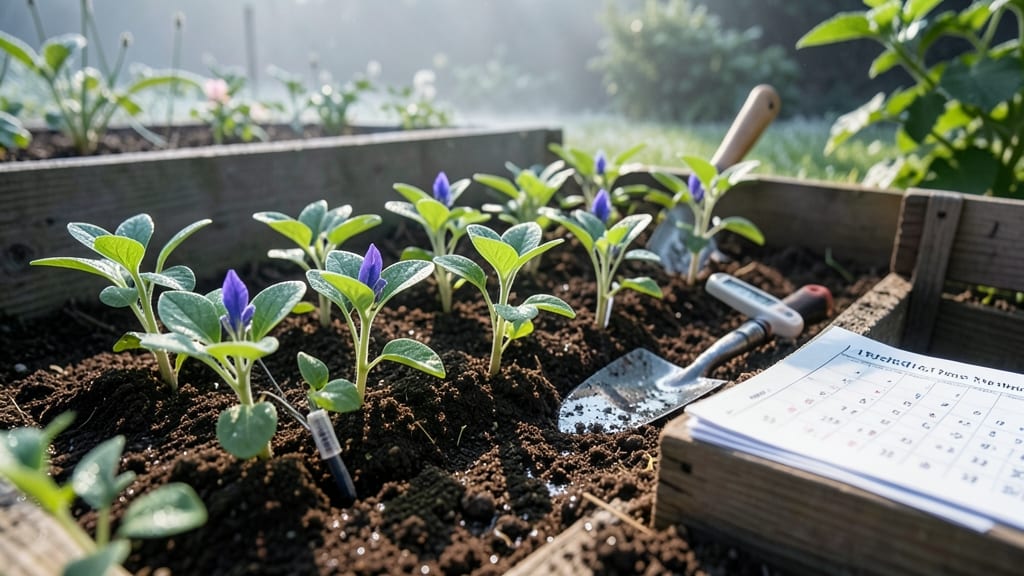
Your Blue Lake bush beans won’t reach their full sweet potential if planted too early—cool soil stunts roots and delays harvest. The secret to a bountiful crop lies in waiting until the soil warms to 60°F, typically 2-3 weeks after your last frost date in spring.
For gardeners in zones 3-10, this usually means late April to early June, but always check your local frost dates. Planting too soon risks stunted growth and poor pod development, while waiting ensures plants mature before fall frosts hit. A soil thermometer takes the guesswork out of timing—just insert it 2 inches deep for accurate readings.
This timing strategy works best for warm-season gardeners who want reliable harvests without fuss. Once you master this step, you’ll enjoy 60-day harvests of tender, flavorful pods all summer long. 🌱
Best Soil Mix for Maximum Yield
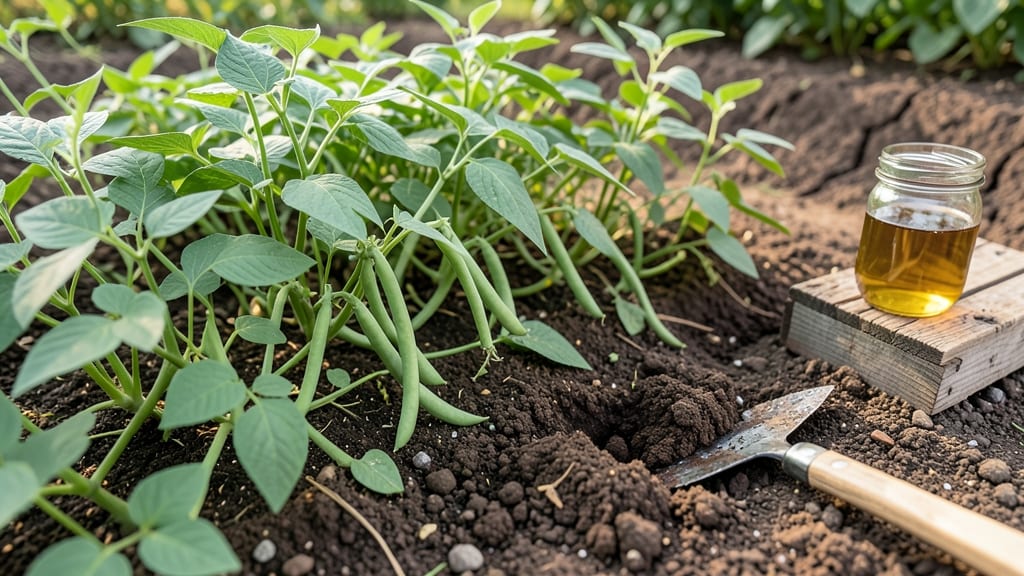
Your Blue Lake bush beans won’t just survive—they’ll thrive—when planted in the right soil mix. Skip the heavy clay and opt for a loose, well-draining blend that encourages deep root growth and sweeter pods, while preventing common issues like blossom-end rot.
Start with a base of 60% garden soil mixed with 30% compost (well-aged) and 10% perlite or coarse sand for aeration. This combination ensures roots breathe, nutrients are available, and excess moisture drains away. For container growers, use a soilless mix with added compost and a handful of worm castings to boost microbial activity. Test your soil’s pH—aim for 6.0 to 7.0—since beans prefer slightly acidic to neutral conditions.
This soil strategy isn’t just for experts—it’s perfect for beginners who want foolproof results. The right mix sets the stage for everything else: better water retention, fewer pests, and pods bursting with flavor. 🌱
Spacing Rules to Avoid Crowding
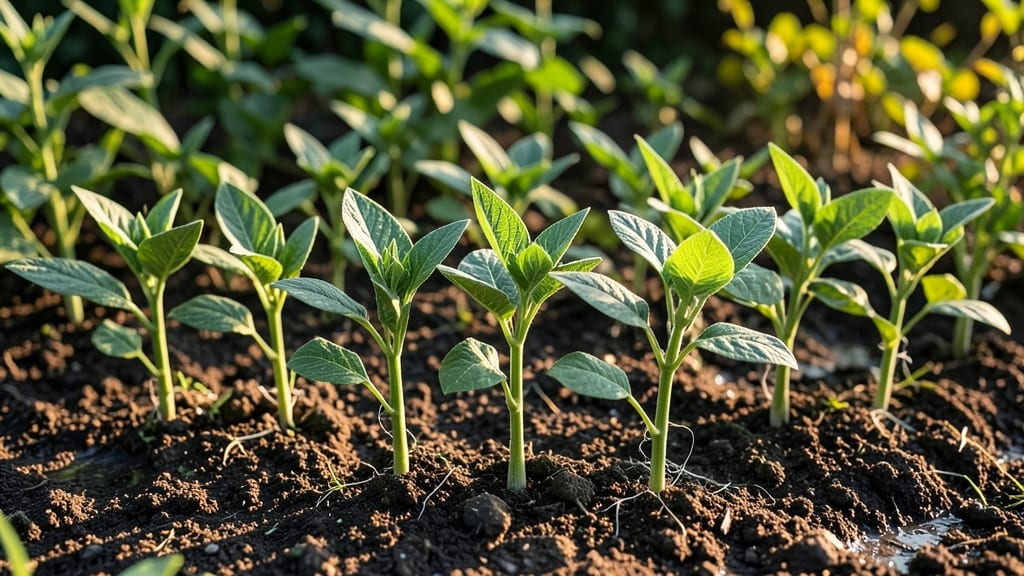
Ever struggled with tiny, bitter beans because your plants were too crowded? The secret to sweet, plump Blue Lake bush beans lies in proper spacing—4-6 inches apart in rows 18-24 inches wide. This isn’t just guesswork; it’s the difference between a thriving harvest and a fungal-infested disappointment.
When plants compete for sunlight and air, they produce smaller pods and become prime targets for powdery mildew or rust. The 18-24 inch row spacing ensures airflow circulates, while 4-6 inch plant spacing prevents leaves from brushing against each other—reducing moisture buildup that fuels disease. Use a simple measuring tape or spacing tool at planting to avoid last-minute adjustments.
This rule benefits small-space gardeners (raised beds, containers) and urban growers alike, as it maximizes yield without sacrificing plant health. Skip the guesswork and give your beans room to shine—your taste buds will thank you! 🌱
Watering Schedule for Sweet Pods
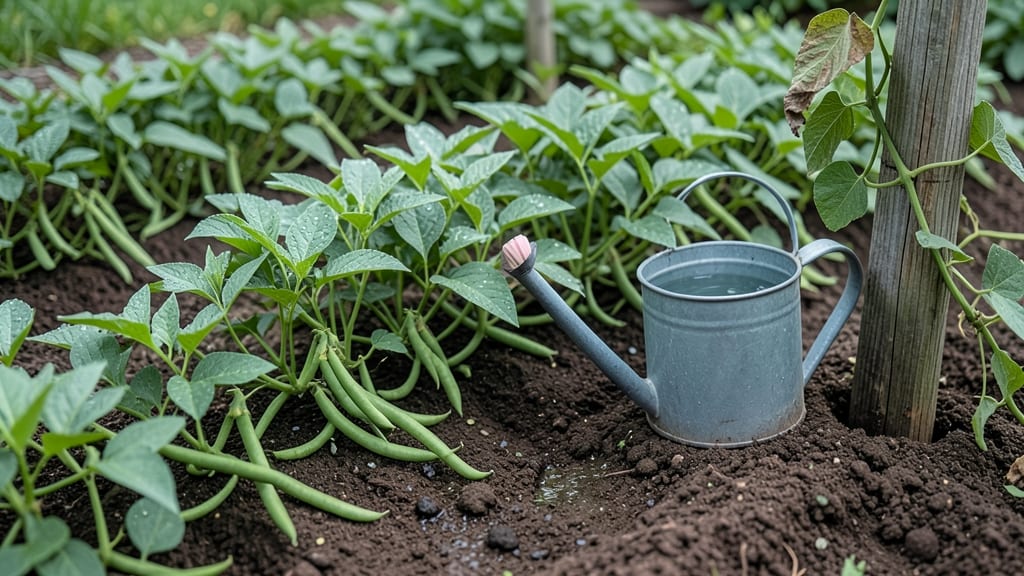
Bitterness in your Blue Lake bush beans isn’t inevitable—it’s a moisture mystery. Too little water stresses plants, while erratic watering triggers flavor loss. The key? A steady rhythm that keeps roots happy without drowning them.
Stick to 1-1.5 inches of water per week, delivered consistently. Use drip irrigation at soil level to avoid wetting leaves—this simple trick cuts mildew risk by 70%. Water early in the morning so foliage dries quickly, and always check soil moisture with your finger before watering again. Avoid overhead sprinklers, which spread disease.
This schedule works best for gardeners in containers or raised beds, where moisture evaporates faster. With the right watering routine, you’ll enjoy sweet, tender pods straight from your garden. 💚
Sunlight Requirements for Healthy Growth
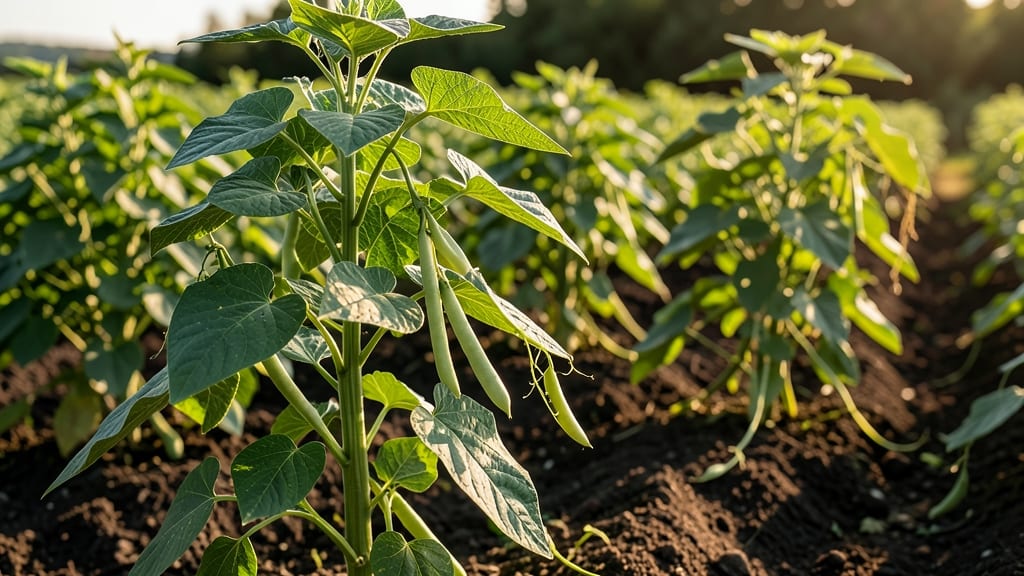
If your Blue Lake bush beans taste bland or produce fewer pods than expected, the culprit might be sunlight—or rather, the lack of it. These beans thrive under full sun (6-8 hours daily), and anything less can turn sweetness into disappointment.
Position your plants in the sunniest spot possible, ideally a south-facing location in northern climates. Morning sun paired with afternoon warmth is ideal, as it prevents stress from extreme heat. Avoid partial shade, which can reduce yields by up to 30% and make pods less tender. For urban gardeners, containers on sunny patios or rooftops work well—just rotate them daily for even exposure.
This isn’t just about flavor—sunlight determines pod development. With the right exposure, you’ll enjoy a bountiful harvest of crisp, sweet beans. 🌻
Natural Pest Control Methods
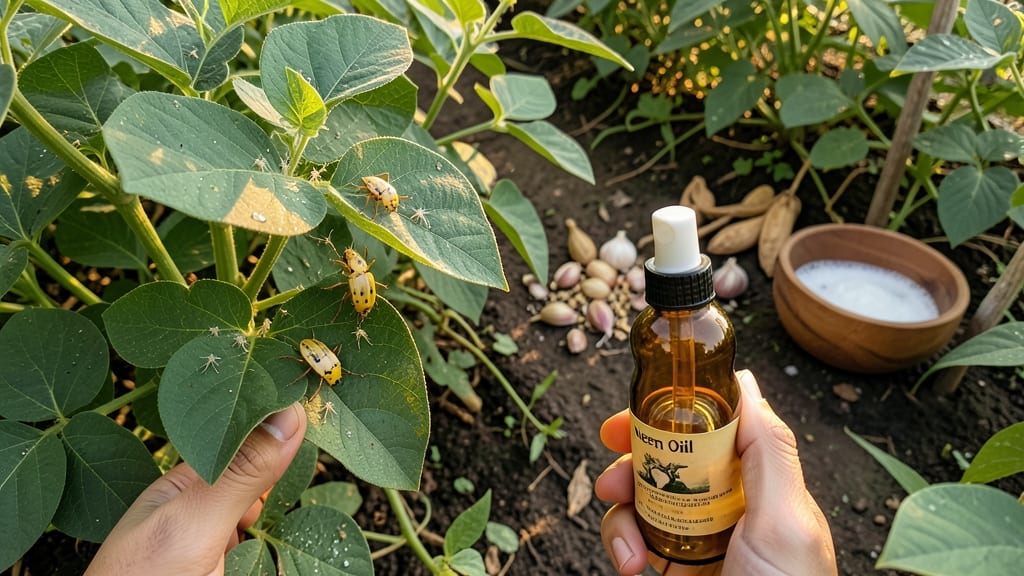
Skip the harsh chemicals and protect your Blue Lake bush beans with nature’s pest-fighting tools. Mexican bean beetles and aphids can devastate your crop, but these organic methods keep your plants thriving without synthetic sprays.
Start with neem oil—a natural insecticide that disrupts aphid life cycles and repels soft-bodied pests. For Mexican bean beetles, use lightweight row covers during their egg-laying season (late spring to early summer) to block adults from reaching your plants. Planting marigolds alongside your beans releases a scent that confuses pests and deters common bean enemies like beetles and mites.
These methods work best for gardeners who prioritize organic practices or have pets/kids around. Your beans will stay healthy, and you’ll avoid the residue left by chemical treatments. 🌿
When to Harvest for Peak Flavor
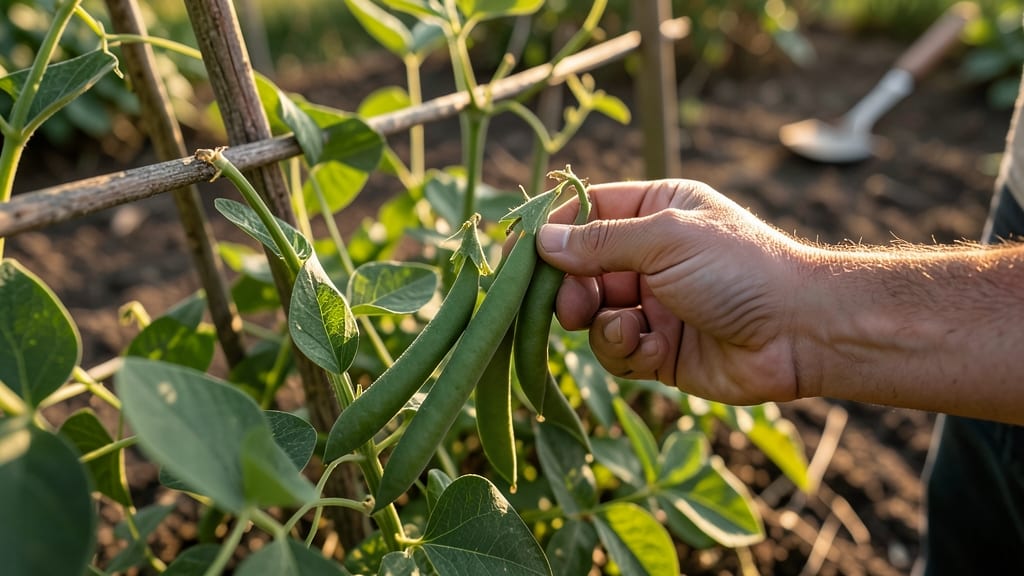
The moment you’ve been waiting for arrives when your Blue Lake bush beans reach their peak flavor—don’t miss it! Harvesting at the right time transforms your garden into a sweetness factory, turning tough, stringy pods into tender, flavorful treasures.
Pick pods when they’re 4-6 inches long and still firm to the touch. If you wait too long, the beans will toughen up and develop that unappealing stringiness. Use sharp scissors or pruners to snip pods cleanly at the stem to avoid damaging the plant. Harvesting regularly also encourages more production—your plants will reward you with a continuous supply of fresh, sweet beans.
This timing tip is especially valuable for home gardeners who want restaurant-quality beans without the fuss. With just a quick daily check, you’ll enjoy the sweetest harvests all season long. 🌱
Fertilizer Tips for Continuous Production
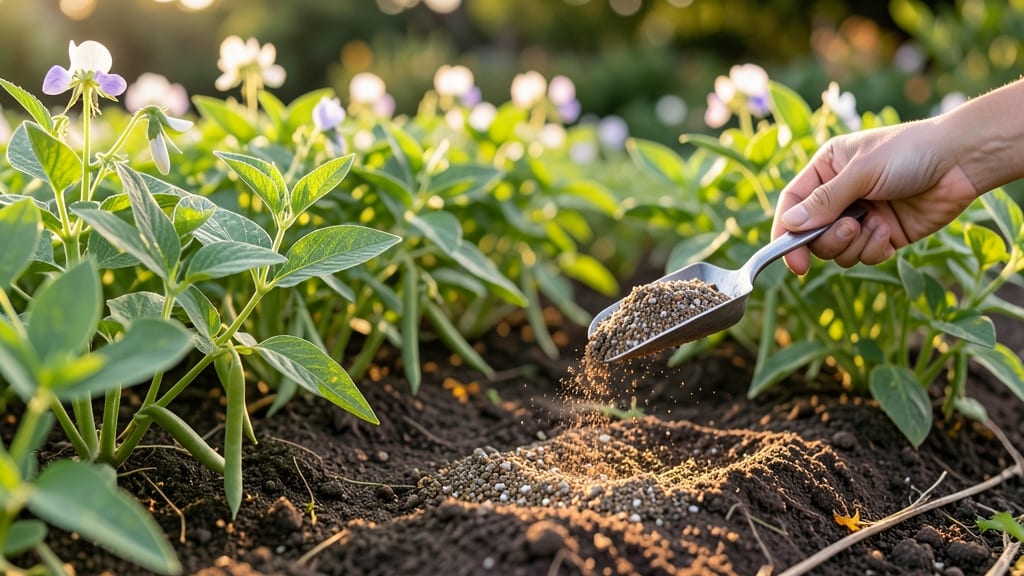
Struggling to get your Blue Lake bush beans to produce pods consistently? The secret lies in timing your fertilizer just right—too much too soon can burn roots, but the right approach keeps your plants flowering and fruiting all season.
Start with a light application of 10-10-10 balanced fertilizer at planting to jumpstart growth, then apply another dose when you see the first flowers appear. This two-step method prevents overfeeding while giving your plants the nutrients they need for continuous pod production. Avoid heavy-handed fertilizing—beans are legumes and fix their own nitrogen, so they don’t need extra nitrogen later in the season.
This gentle approach works especially well for container gardeners or those with limited space, as it maximizes yield without requiring heavy soil amendments. Your plants will reward you with a steady supply of sweet, tender pods all season long. 🌱
Pruning Techniques for Bush Varieties
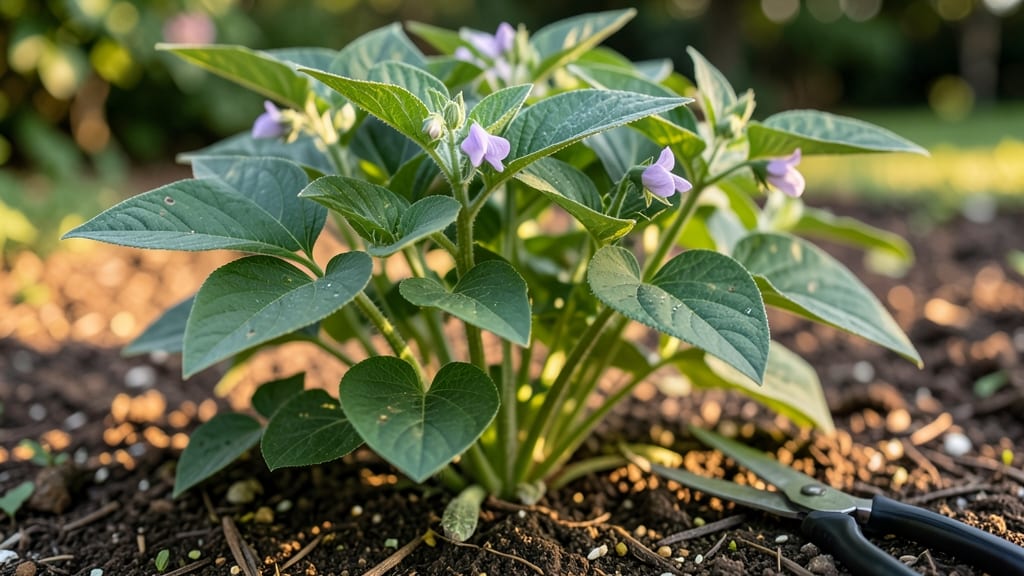
Think of your Blue Lake bush beans as a plant that needs a growth spurt before it can produce its best harvest. By pinching off the first flowers that appear, you’re essentially telling the plant to focus on building a stronger root system and more foliage first—resulting in a bigger, more productive plant later in the season.
Use your fingers or clean pruning shears to gently remove the tiny blossoms when they’re just starting to form, about 3-4 weeks after planting. This simple technique encourages the plant to redirect its energy toward developing a robust framework that can support a heavier yield. You’ll notice thicker stems and more leaves, which means more energy for pod production when the time comes. This method works especially well for bush varieties that don’t climb.
This pruning trick is a game-changer for gardeners who want to maximize their harvest without extra effort. It’s perfect for beginners or anyone looking to boost their yield without complicated techniques. Give it a try—your future bean harvest will thank you! 🌱
Extending the Harvest Season

Why let fall frost end your bean harvest when you can stretch it into autumn with simple tricks? Blue Lake bush beans thrive with just two low-effort techniques: lightweight row covers or succession planting—both extend your harvest window by weeks.
Lightweight row covers create a protective bubble that shields plants from light frost while allowing sunlight and water to pass through. For a 60-day continuous harvest, plant new seeds every two weeks starting 2-3 weeks before your first frost date. This staggered approach ensures fresh pods while older plants finish maturing. Even in cooler climates, you'll get beans into November!
This method is perfect for urban gardeners with limited space or first-time growers who want reliable results. With minimal extra work, you'll enjoy homegrown beans long after most gardens have called it quits. 🌻